The global economic architecture is undergoing a rapid transition, pushing advanced industrial nations to secure resilient supply chains and tap into high-growth frontier markets. In 2026, the Republic of Guinea has firmly established itself as West Africa’s premier destination for foreign direct investment (FDI). Driven by monumental infrastructure developments and aggressive economic diversification under the “Simandou 2040” structural framework, the country is drawing intense interest from East Asia. Specifically, South Korean investment opportunities in Guinea have reached a historic tipping point, creating a strategic corridor where East Asian technological dominance meets unparalleled West African natural resources.
At Yes! Invest Guinea, we act as the operational and strategic bridge for South Korean conglomerates (chaebols), institutional funds, and technology providers looking to establish a secure, high-yield presence in Conakry and its regional economic zones. Guinea is actively shifting away from a raw commodity export model to a localized, value-added industrial economy. This article provides an exhaustive, data-driven analysis of the highest-yield sectors tailored for South Korean capital, technology transfer, and industrial mastery.
1. Technological Integration and Smart Infrastructure Development
South Korea is globally recognized as an undisputed leader in smart city development, high-speed telecommunications, and advanced civil engineering. Guinea’s current nationwide modernization infrastructure boom presents an ideal landscape for these specific capabilities.
Transforming Transport through Smart Logistics
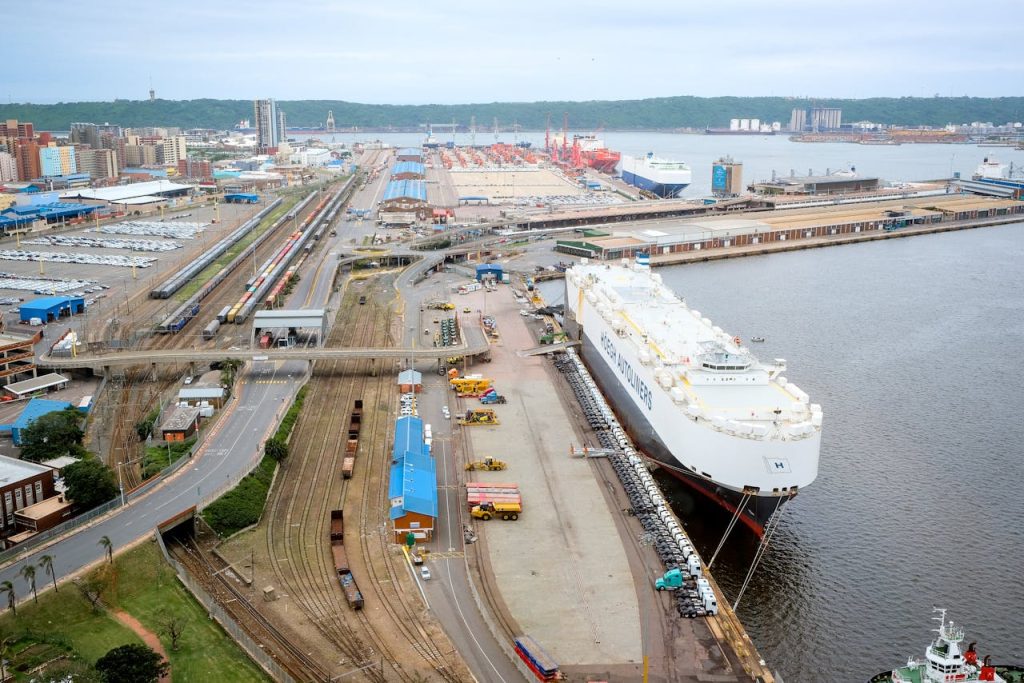
The cornerstone of Guinea’s modern economy is the 670 km Trans-Guinean railway corridor, connecting the mineral-rich interior to the deep-water port at Morebaya. This massive steel spine is designed as a multi-user transport network. South Korean firms specializing in rail automation, smart signaling systems, and AI-driven port logistics can tap into the secondary phase of the Infrastructure Development Guinea pipeline. By integrating South Korean logistics software, Guinea’s transport networks can achieve world-class operational efficiencies.
Urban Modernization and Grade-A Commercial Hubs
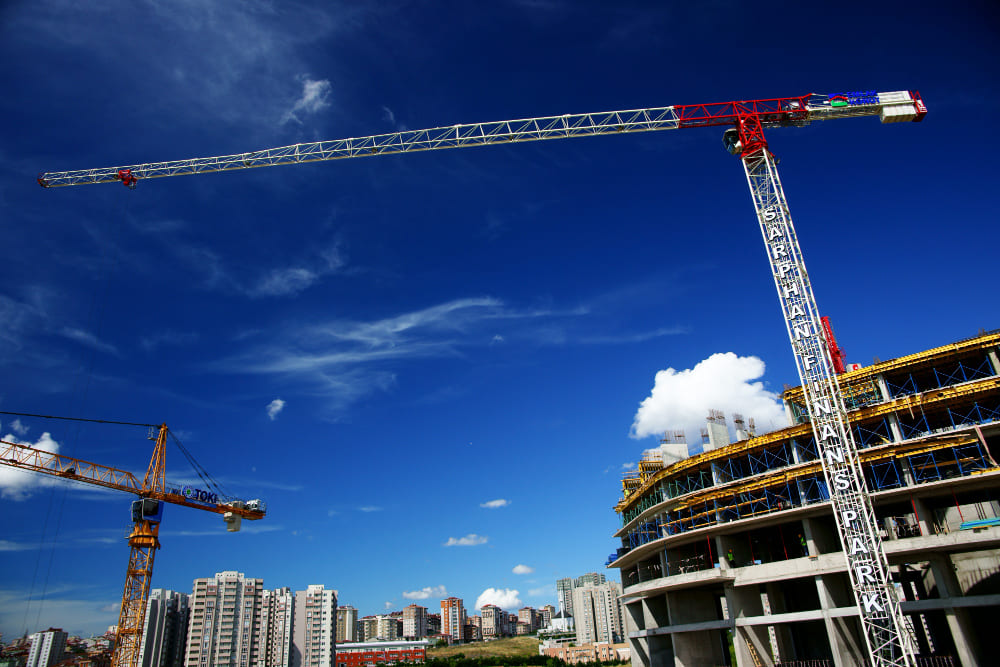
As multinational corporations and expatriates flood into urban centers like Conakry, Kamsar, and Nzérékoré, the deficit in premium real estate has become a critical challenge. South Korean construction giants can capitalize on this by building smart, energy-efficient Office Parks and Business Hubs. These commercial hubs are highly lucrative, offering exceptional rental yields by providing global corporations with 24/7 power, eco-friendly cooling systems, and integrated fiber-optic networks.
2. The Critical Minerals Alliance: Powering the EV Battery Revolution
South Korea’s massive automotive and electronics sectors, led by global titans in battery manufacturing, face an ongoing mission to secure long-term, stable access to critical minerals essential for the green energy transition.
Securing Next-Generation Feedstock
While Guinea is known as the world’s leading exporter of premium bauxite and holds massive reserves of high-grade iron ore, tech-driven exploration has opened up vital new frontiers. Guinea possesses highly lucrative, largely untapped reserves of essential green energy minerals:
- Graphite and Nickel: Crucial anode and cathode raw components for the global electric vehicle (EV) battery supply chain.
- Antimony and Bismuth: High-value specialty minerals indispensable for advanced semiconductor manufacturing and tech-driven applications.
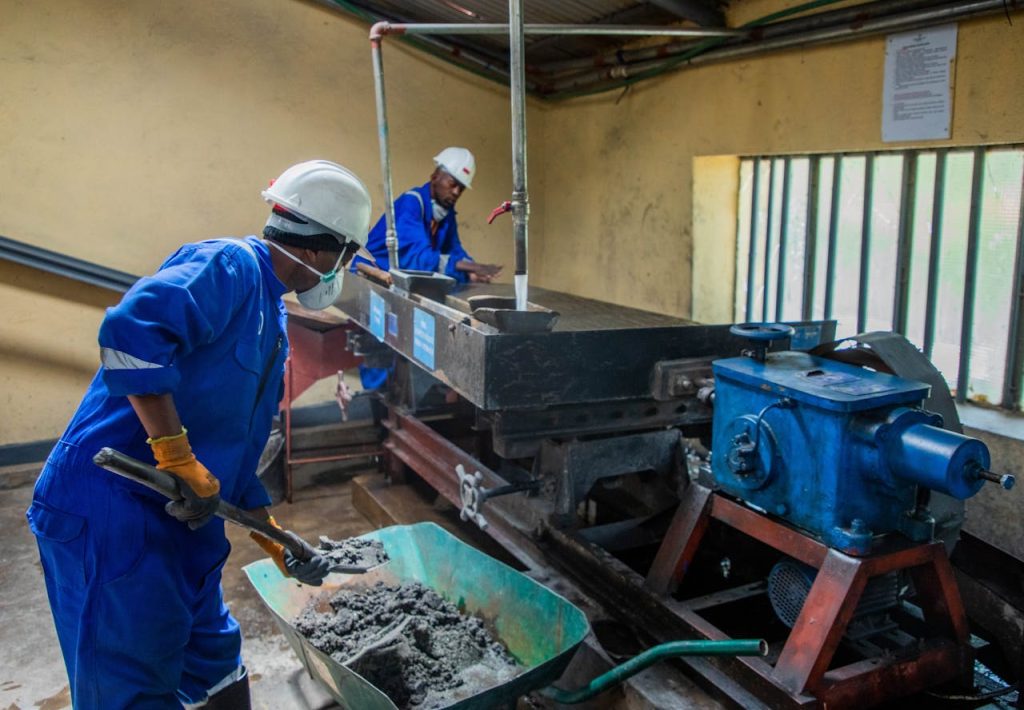
By entering the Mining Opportunities in Guinea sector, South Korean exploration and refining firms can secure direct concessions. The 2026 Investment Code heavily rewards companies that establish localized mid-stream processing units rather than exporting raw ore, aligning perfectly with South Korea’s advanced industrial refining capabilities.
3. Digital Economy, Fintech, and Smart Agriculture
The rapid expansion of Guinea’s 12,000 km national fiber-optic backbone has triggered a digital revolution, paving the way for advanced software deployment in daily commerce and farming.
Deploying Fintech and EdTech Solutions
With a young, tech-savvy population and expanding internet penetration, Guinea’s digital economy is ripe for disruption. South Korean software companies can find immense success by launching scalable EdTech Solutions to upskill local workers for industrial roles, as well as customized Fintech tools to streamline corporate Financial and Administrative Services across West Africa.
Revolutionizing Agribusiness via AgTech
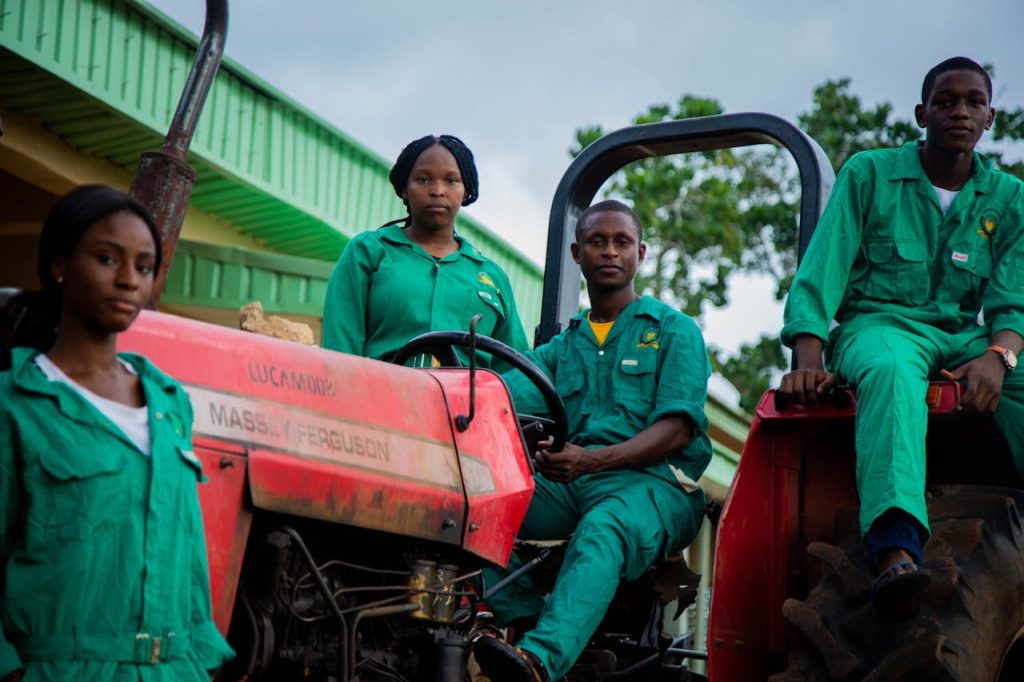
Guinea features over 6 million hectares of highly fertile arable land and high annual rainfall. However, the agricultural sector urgently requires modernization to achieve food security and scale exports. South Korean AgTech providers can implement automated greenhouse systems, precision drip-irrigation, and crop monitoring tools utilizing Big Data Analytics.
Furthermore, South Korean investors can build localized Nut Processing Units to process raw cashews and groundnuts for global duty-free export markets, adhering to international processing benchmarks established by the International Organization for Standardization (ISO).
4. Renewable Energy Networks and Smart Power Grids
Industrialization requires an absolute guarantee of uninterrupted, clean electricity. Guinea is leveraging its geographical status as the “Water Tower of West Africa” to build out a robust, green energy matrix.
Building Decentralized Industrial Microgrids
While large-scale hydroelectric dams provide the baseline power for heavy aluminum refineries, remote manufacturing plants and agribusiness hubs require localized solutions. South Korean energy tech firms can capture significant market share by deploying decentralized, hybrid Microgrid Systems. By combining high-efficiency industrial solar arrays with advanced battery energy storage systems (BESS), South Korean firms can sell “Energy-as-a-Service” (EaaS) directly to factories and mining operations. These smart grids utilize advanced IoT Guinea applications to balance energy loads in real-time, preventing unexpected industrial downtime.
5. Legal Certainty: Navigating the 2026 OHADA Framework
A critical assurance for South Korean corporate boards and compliance teams expanding into West Africa is the transparency, stability, and safety of Guinea’s legal environment.
Predictable Commercial Law
Guinea operates as a core member of the OHADA Law framework, a highly unified commercial legal code implemented across 17 African nations. This civil law structure provides exceptional predictability. It guarantees that long-term land concessions, asset acquisitions, intellectual property rights, and corporate joint ventures are legally airtight and fully recognized by international commercial arbitration courts.
Exclusive Fiscal Incentives
Foreign enterprises registering operations through the Agency for the Promotion of Private Investments (APIP) gain access to a competitive suite of industrial incentives under the updated Investment Code:
- Tax Holidays: A complete 8 to 10-year exemption from corporate income tax for industrial, technological, and agricultural projects established outside the capital city.
- Customs Waivers: 0% import duties and full VAT exemptions on all specialized machinery, technological hardware, and construction equipment during the project setup phase.
- Capital Protection: Full legal rights for international corporations to freely repatriate 100% of profits, corporate dividends, and operational capital in foreign currency back to South Korea.
Frequently Asked Questions (FAQ)
- Can a South Korean company maintain 100% corporate ownership in Guinea?
Yes. Under the OHADA legal framework and Guinea’s open investment policies, foreign investors are legally permitted to establish and maintain 100% ownership of their local corporate subsidiaries (such as a SARL or SA) without a mandatory local partner requirement.
- How long does the official business registration process take for a foreign investor?
Through the digitized “One-Stop Shop” system managed by APIP, international businesses can fully complete company incorporation, obtain a Tax ID (NIF), and secure a commercial registry (RCCM) within 3 to 5 business days, provided all notarized documentation is in order.
- What international trade agreements benefit manufacturers operating in Guinea?
Guinea provides tariff-free access to a massive market of 1.3 billion consumers across 54 nations via the African Continental Free Trade Area (AfCFTA). For global exports, goods produced in Guinea qualify for duty-free access to European markets through the Everything But Arms (EBA) initiative.
- How does Guinea regulate environmental and social compliance for new industrial projects?
Guinea enforces strict environmental, social, and governance (ESG) protocols aligned with international benchmarks. Every large-scale infrastructure, mining, or manufacturing setup must undergo an official Environmental and Social Impact Assessment (ESIA) to guarantee long-term operational sustainability.
- How can Yes! Invest Guinea assist South Korean corporate groups?
We serve as your comprehensive institutional concierge. Our team handles Legal and Regulatory Compliance, assists in securing commercial land and processing permits, manages bureaucratic liaisons, and facilitates local International Recruitment to build your local engineering and management teams.
Conclusion: Capitalizing on the East Asian–West African Industrial Nexus
The window of opportunity to leverage South Korean investment opportunities in Guinea is wide open in 2026. By combining South Korea’s world-renowned technological sophistication, smart infrastructure mastery, and battery tech dominance with Guinea’s immense natural wealth, competitive operational costs, and strategic access to global trade networks, forward-thinking corporations can secure an unshakeable market position.
Accelerate Your Corporate Expansion with Yes! Invest Guinea
At Yes! Invest Guinea, we deliver the critical data, vetted local connections, and administrative safety rails needed to transition your project seamlessly from blueprint to high-yield reality.