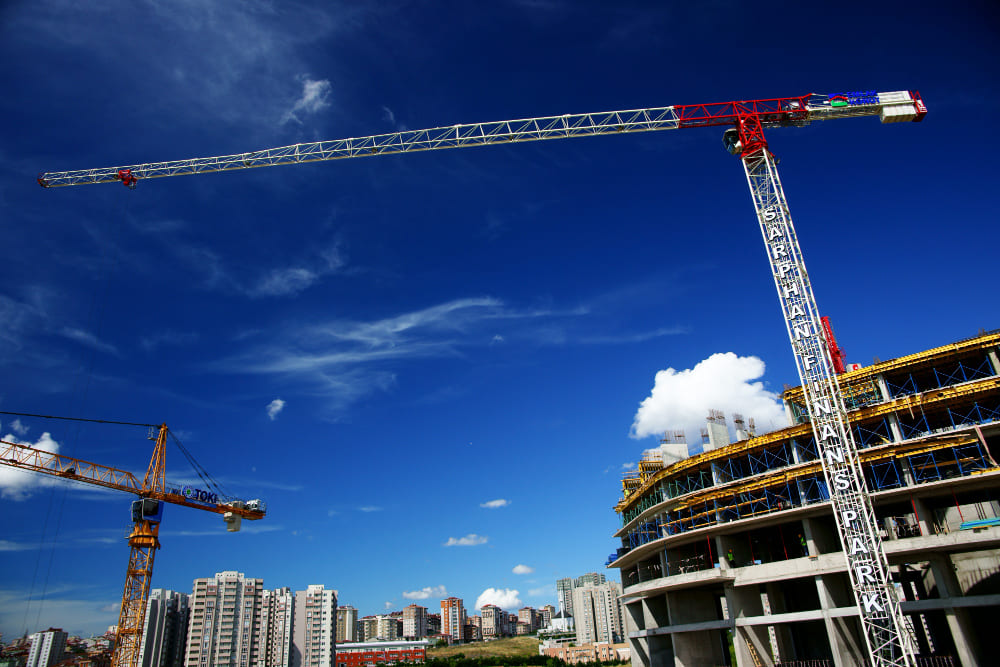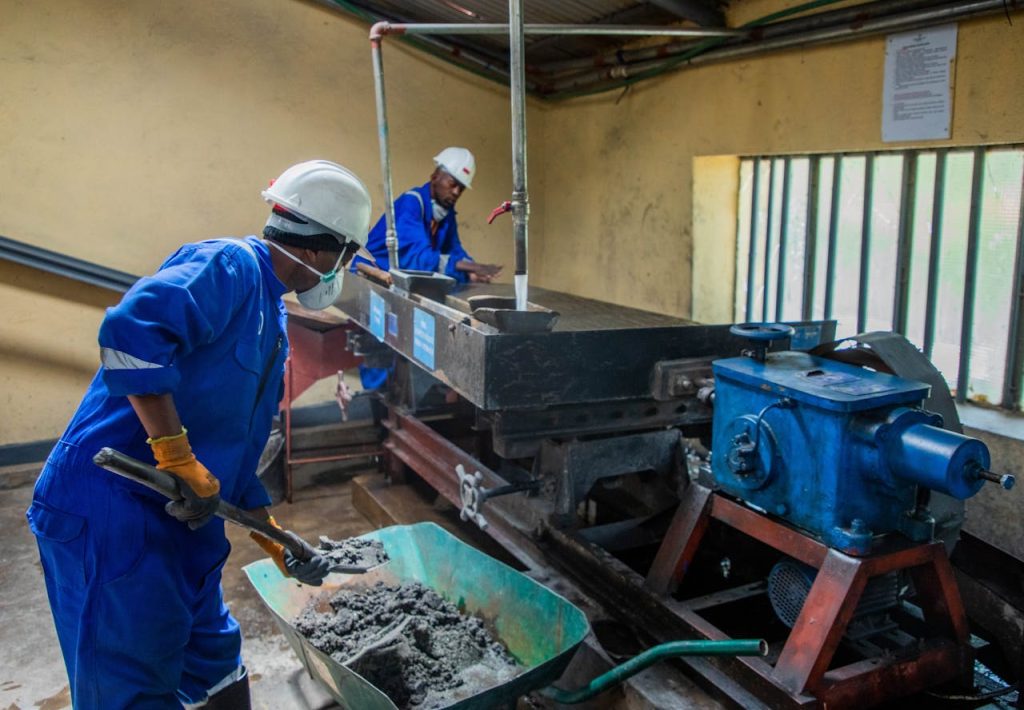
The economic landscape of the Republic of Guinea is undergoing a radical metamorphosis. In 2026, the catalyst for this change is undeniably the massive influx of capital and technical expertise from East Asia. Chinese investment in Guinea has evolved from simple resource extraction into a comprehensive infrastructure overhaul that is rewriting the rules of West African logistics. From deep-water ports to high-capacity railways, Chinese-led projects are not just building roads; they are constructing the foundation of a modern industrial state.
At Yes! Invest Guinea, we track these developments to provide global investors with strategic insights. The “Trans-Guinean” vision, largely supported by Chinese engineering and finance, is creating a multi-modal transport corridor that benefits every sector from mining to agribusiness. This article explores the flagship projects currently transforming Guinea and the resulting opportunities for international stakeholders.
1. The Belt and Road Initiative in Guinea: Strategic Context
Guinea occupies a pivotal position in China’s maritime and continental trade strategy. The partnership is a symbiotic one: Guinea offers high-grade mineral reserves essential for China’s industrial stability, while China provides the large-scale infrastructure financing that Guinea needs to unlock its interior.
The Simandou Rail-to-Port Spine
The crown jewel of Chinese investment in Guinea is the infrastructure supporting the Simandou iron ore project. The development includes a 670 km heavy-haul railway connecting the Simandou mountains to the coast. This project is a joint effort involving the Winning Consortium Simandou (WCS), a Chinese-backed entity that has proven its capability to execute complex engineering feats in challenging terrains. For the first time in history, Guinea’s mineral-rich heartland is connected to global markets via a high-efficiency steel spine.
Modernizing Maritime Gateways
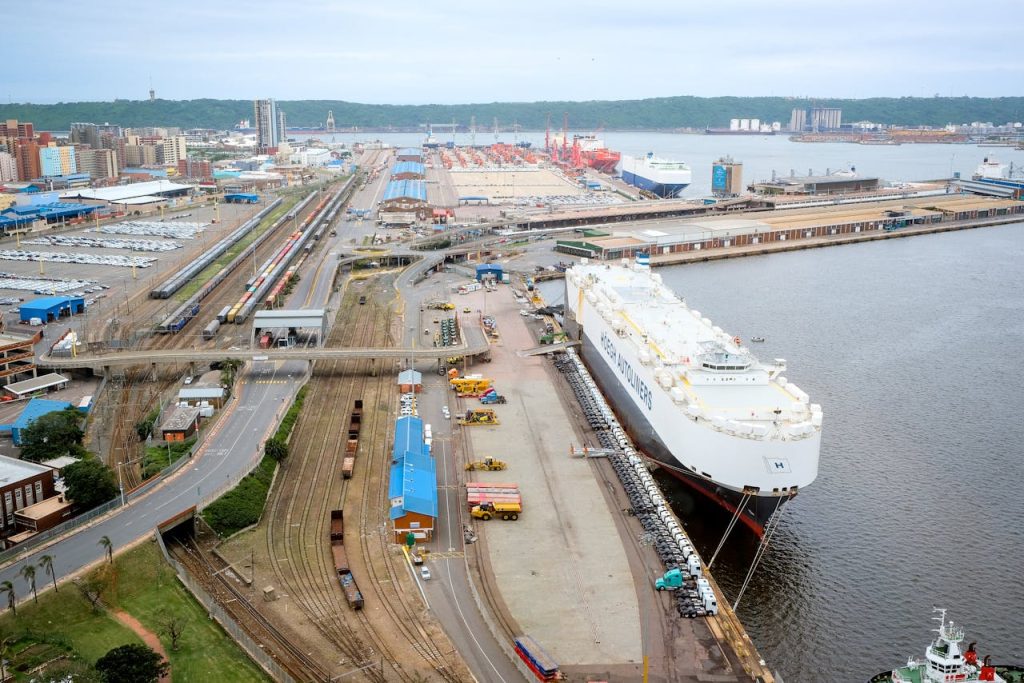
Complementing the railway is the construction of a world-class deep-water port at Morebaya. Designed to accommodate Cape-size vessels, this port is a direct result of Chinese maritime engineering expertise. It positions Guinea as a strategic competitor to traditional regional hubs, offering faster turnaround times and superior handling capacity for bulk commodities and containerized cargo.
2. Powering Progress: Hydroelectric and Energy Infrastructure
Infrastructure is not limited to transport; it is also about the power that drives industry. China has been instrumental in turning Guinea into the “Battery of West Africa.”
Mega-Dams and Renewable Energy
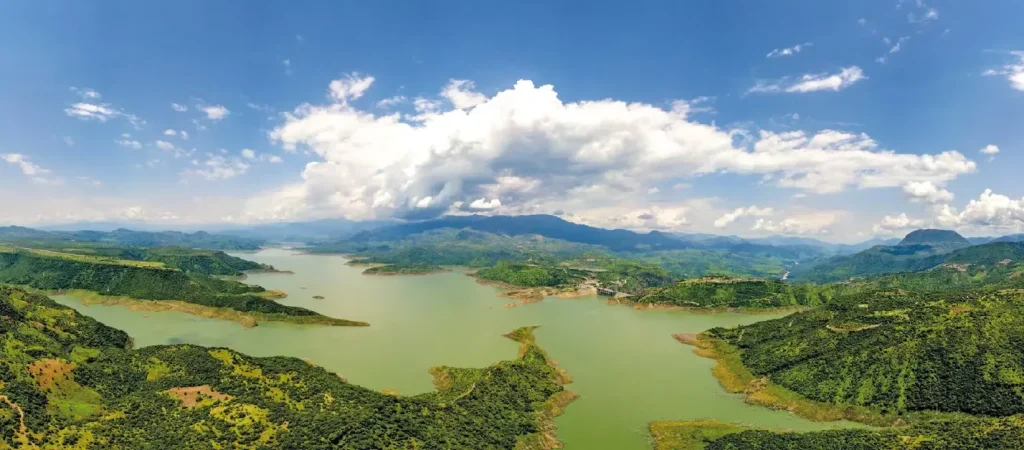
The Souapiti and Kaléta hydroelectric projects are flagship examples of Chinese engineering. These dams have significantly increased Guinea’s domestic energy capacity, providing the stable base load required for downstream Agro-Processing and alumina refineries. These projects are often facilitated through the China Export-Import Bank (EXIM), which provides the long-term credit facilities necessary for such massive capital expenditures.
Transmission and Smart Grids
Beyond generation, Chinese firms are deploying advanced transmission lines that connect Guinea to the West African Power Pool (WAPP). This allow Guinea to export surplus green energy to its neighbors, creating a new revenue stream and enhancing regional stability.
3. Urban Development and Social Infrastructure
The transformation extends into the urban fabric of Conakry and regional economic zones, creating a boom in the construction and service sectors.
Special Economic Zones (SEZs)
Chinese investment is increasingly flowing into the development of industrial parks. These SEZs offer “plug-and-play” infrastructure for foreign firms, including reliable power, fiber-optic connectivity, and streamlined Legal and Regulatory Compliance. These zones are modeled after successful Chinese development hubs, providing a familiar and efficient environment for international manufacturers.
Hospitals and Educational Facilities
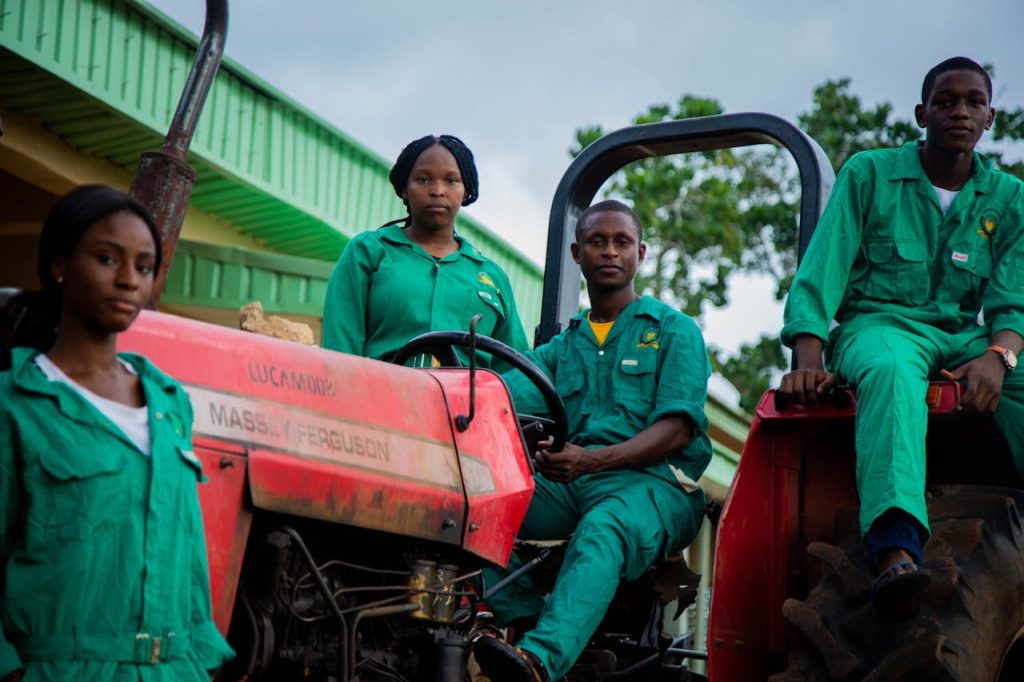
As part of the “Soft Infrastructure” initiative, Chinese contractors are building modern medical centers and vocational schools. These facilities are crucial for training the local workforce to manage the new Infrastructure Development Guinea projects, ensuring that the economic growth is sustainable and inclusive.
4. The 2026 Climate: Why Global Investors Should Take Note
While the primary financing comes from China, the infrastructure being built is “Multi-User.” This creates a massive secondary market for international investors from Europe, America, and the Middle East.
Lowering the Cost of Doing Business
The primary barrier to investment in Guinea has historically been high logistics costs. The new Chinese-built railway and port infrastructure have effectively dismantled this barrier. Now, an Australian mining firm or a Brazilian agribusiness group can move their products to market at a fraction of the previous cost and time.
OHADA Legal Security and Chinese Partnerships
International firms are increasingly forming joint ventures with Chinese entities to execute large-scale projects in Guinea. These partnerships benefit from the standardized OHADA Law framework, which ensures that contracts are protected under international commercial standards and arbitration.
5. Frequently Asked Questions (FAQ)
- Is Chinese investment in Guinea limited to the mining sector?
No. While mining was the initial driver, investment has diversified into renewable energy (hydro and solar), urban infrastructure, telecommunications, and special economic zones for manufacturing.
- How do these projects benefit non-Chinese investors?
The infrastructure created (rail, ports, and power) is largely multi-user. This means any international company can utilize these facilities to lower their operational costs and reach global markets more efficiently.
- What is the impact of Chinese infrastructure on local employment?
Most projects include “Local Content” requirements. Chinese firms are increasingly partnering with International Recruitment agencies to train Guinean engineers, technicians, and managers, fostering a skilled local workforce.
- Are these projects compliant with environmental standards?
Yes. In 2026, the Guinean government and international lenders require all projects to adhere to strict ESG (Environmental, Social, and Governance) standards to ensure long-term sustainability and community support.
- How can Yes! Invest Guinea help me navigate this landscape?
We provide “Institutional Concierge” services, helping you understand the new logistics maps, securing permits in SEZs, and connecting you with the right Financial and Administrative Services to facilitate your entry.
Conclusion: Riding the Wave of Transformation
Chinese investment in Guinea has set in motion a structural shift that will define West African trade for the next fifty years. The infrastructure being built today is the foundation for tomorrow’s prosperity. For the global investor, the opportunity lies in leveraging this new connectivity to build businesses that are faster, cheaper, and more scalable.
The future of Guinea is being built with steel, concrete, and digital connectivity. At Yes! Invest Guinea, we invite you to be part of this transformation.