Guinea is projected to be one of the world’s fastest-growing economies in 2026, with an IMF-projected GDP growth rate of 10.5%. This staggering growth is driven by the nation’s massive resource wealth, most notably the transformative Simandou iron ore project. As the world’s largest bauxite exporter and a rising source of high-grade iron ore, gold, and lithium, Guinea is attracting a wave of international capital. This article details the top 10 countries registering foreign investment companies in Guinea, outlining the sectors they dominate and the strategic reasons behind their financial commitment to West Africa’s most dynamic frontier market.
The Economic Engine: Why Everyone is Investing in Guinea
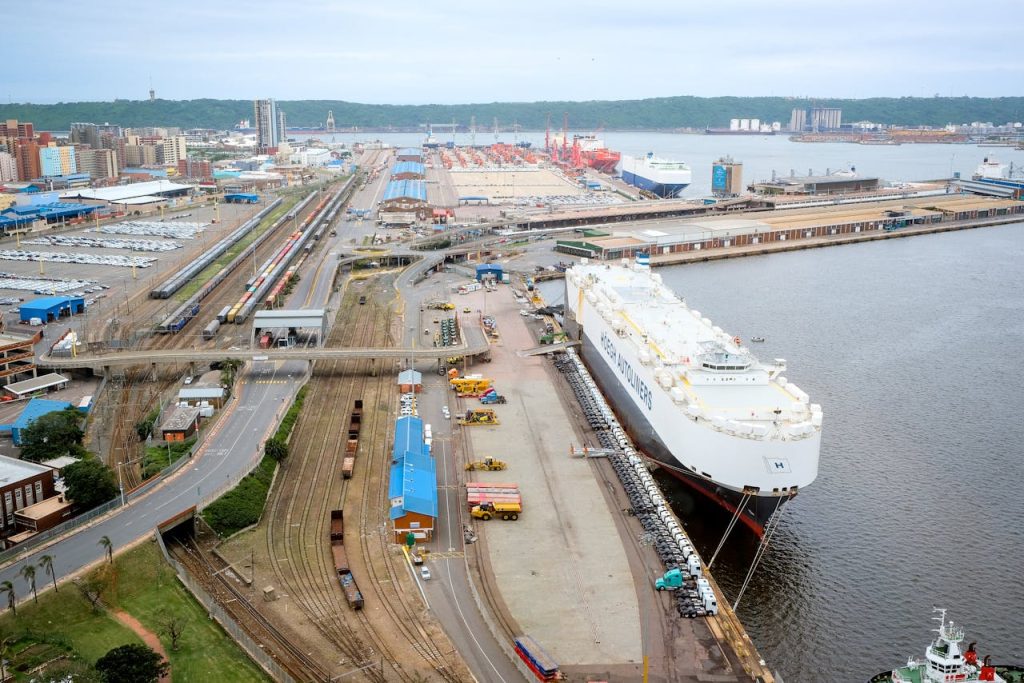
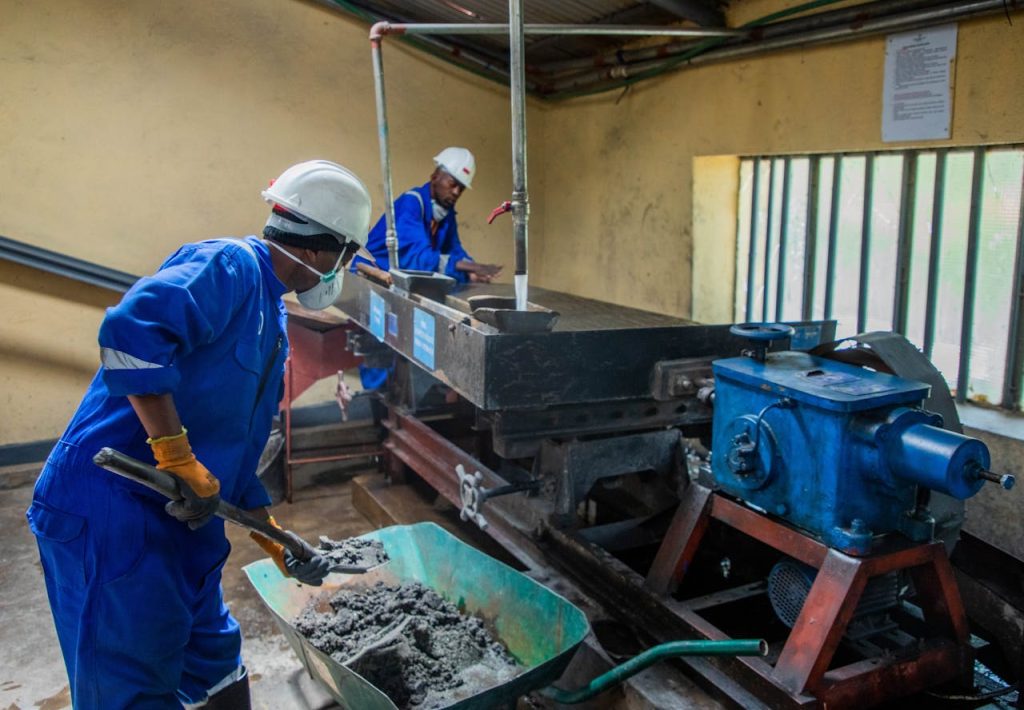
Before examining the key players, it is essential to understand the economic magnet pulling them in. The headline is the $20+ billion Simandou iron ore development, which includes a dedicated 650km railway and a new deep-water port. This single project is a nation-building enterprise. Guinea’s economy is not solely reliant on future iron ore; it already supplies over 70% of the world’s bauxite exports, a critical mineral for aluminum production, with exports hitting a record 99.8 million tons in the first half of 2025. Beyond minerals, the Guinean government’s “Simandou 2040” strategy aims to leverage this wealth to diversify into agriculture, tourism, and infrastructure, offering a broader range of investment opportunities.
The Top 10 Countries Registering Companies in Guinea
Investment in Guinea is characterized by a clear division: strategic, resource-seeking capital from Asia and technical, financial, and partnership-focused investment from the West. The following table outlines the leading nations and their primary investment focus.
| Rank | Country | Primary Investment Sectors | Key Players & Strategic Rationale |
| 1 | China | Iron Ore, Bauxite, Infrastructure |
Baowu Steel, Chalco; Securing critical mineral supply chains
|
| 2 | Singapore | Project Leadership & Investment Holding |
Winning International Group; Leading the Simandou WCS consortium
|
| 3 | France | Finance, Mining Support, Infrastructure |
Bpifrance, BNP Paribas; Historical ties and major project financing
|
| 4 | United Kingdom | Finance & Project Expertise |
Rio Tinto, UK Export Finance; Technical leadership and export credit
|
| 5 | United States | Finance, Mining Services, Strategic Minerals |
U.S. EXIM Bank, Alcoa (historical); Countering strategic influence
|
| 6 | Australia | Mining & Technical Operations |
Rio Tinto; Providing world-class mining operational expertise
|
| 7 | United Arab Emirates | Sovereign Wealth & Diversified Portfolios |
UAE Investment Authority; Seeking long-term, diversified African assets
|
| 8 | Saudi Arabia | Sovereign Wealth & Islamic Finance |
Public Investment Fund; Advisor on Guinea’s new sovereign wealth fund
|
| 9 | Germany | Industrial Technology & Engineering |
Siemens, Continental; Providing high-tech equipment and engineering solutions
|
| 10 | South Africa | Mining Services & Regional Expertise |
Major mining contractors and financial institutions; Leveraging regional proximity
|
1. China: The Strategic Dominant Player
China’s investment is the largest and most strategic. Chinese entities control approximately 75% of the Simandou project and receive the vast majority of Guinea’s bauxite exports. For China, Guinea is a pillar of resource security, supplying the raw materials essential for its manufacturing and construction sectors. State-owned champions like China Baowu Steel Group and China Rail Construction Corporation are involved in both extraction and building the associated infrastructure, locking in long-term supply agreements.
2. Singapore: The Commercial and Financial Nexus
Singapore’s pivotal role is exemplified by the Winning International Group, a Singapore-based multinational that leads the Winning Consortium Simandou (WCS). Singapore acts as a neutral, financially sophisticated hub, channeling global investment—particularly from other Asian economies—into Guinea’s mega-projects. Its robust legal and financial framework provides the ideal base for managing complex cross-border investments.
3. France: Historical Ties and Financial Backbone
France remains a key financial partner. The French public investment bank Bpifrance is a core financier for the Simandou infrastructure, and French financial giant BNP Paribas is part of the lending consortium. France’s deep historical and linguistic ties to Guinea give its companies a natural advantage in navigating the business environment and securing partnerships in support sectors.
4. United Kingdom: Expertise and Export Finance
The UK’s involvement is twofold: corporate and governmental. Anglo-Australian mining giant Rio Tinto is the technical operator of the Simandou South bloc. In parallel, UK Export Finance, the UK’s export credit agency, has committed billions to support the project, ensuring British engineering and services are integral to its development.
5. United States: A Renewed Strategic Push
The U.S. is recalibrating its engagement in Africa towards an “investment-first strategy,” moving beyond traditional aid to compete for influence and secure critical mineral supply chains. This is evident in Guinea, where the U.S. EXIM Bank has shown interest in financing, and American firms like Wabtec supply critical equipment. The strategic aim is to offer a transparent, partnership-based alternative in a key resource market.
6. Australia: Mining Operational Leadership
Australia’s investment is personified by Rio Tinto, which brings world-class mining engineering, safety standards, and operational management to the Simandou partnership. This technical expertise is a critical non-financial investment that ensures the project’s viability and operational excellence.
7-10. Diversified Global Partners
The remaining spots are held by nations investing through sovereign wealth, specialized services, and regional partnerships:
- UAE & Saudi Arabia: Gulf sovereign wealth funds are seeking stable, long-term returns from African infrastructure and resources. Saudi Arabia has directly advised Guinea on establishing its own $1 billion Simandou sovereign wealth fund.
- Germany: German industrial giants are key suppliers of high-tech machinery, vehicle fleets, and engineering solutions necessary for large-scale mining and construction.
- South Africa: Leveraging geographical proximity and deep experience in African mining, South African companies are leading providers of specialized mining services, contracting, and banking support in Guinea.
Navigating the Investment Landscape: Key Considerations
Registering a company in this high-growth environment requires careful planning. The Guinean government encourages investment through the Agence de Promotion des Investissements Privés (APIP), a one-stop shop for business creation. Successful investors consistently emphasize:
- Engaging Local Expertise: Partnering with a reputable local legal and financial consultant is non-negotiable for navigating OHADA commercial law and regulatory procedures.
- Building In-Person Relationships: Business in Guinea is conducted face-to-face. An on-the-ground presence is crucial for establishing trust and understanding the market.
- Structuring for Success: Most foreign companies register as a *Société à Responsabilité Limitée (SARL)*, a limited liability company, which offers flexibility and protects the parent company’s assets.
- Focusing on Value Addition: The government prioritizes investments that create local jobs, transfer skills, and contribute to the “Simandou 2040” diversification goals.
Conclusion: A Coalition Shaping Guinea’s Future
The list of top investors in Guinea reveals a global coalition shaping the country’s future. Chinese strategic capital, Singaporean commercial acumen, Western technical and financial prowess, and Gulf sovereign wealth are all converging. For international businesses, Guinea offers a high-stakes, high-reward proposition centered on its unparalleled resources but extending into a decades-long national transformation. By understanding the competitive landscape, aligning with national development goals, and adhering to best practices for market entry, savvy investors can position themselves to benefit from Guinea’s remarkable ascent.
Note: This article is for informational purposes only and does not constitute legal or financial advice. Regulations and market conditions are subject to change. Always conduct thorough due diligence and consult with qualified local experts before making investment decisions.