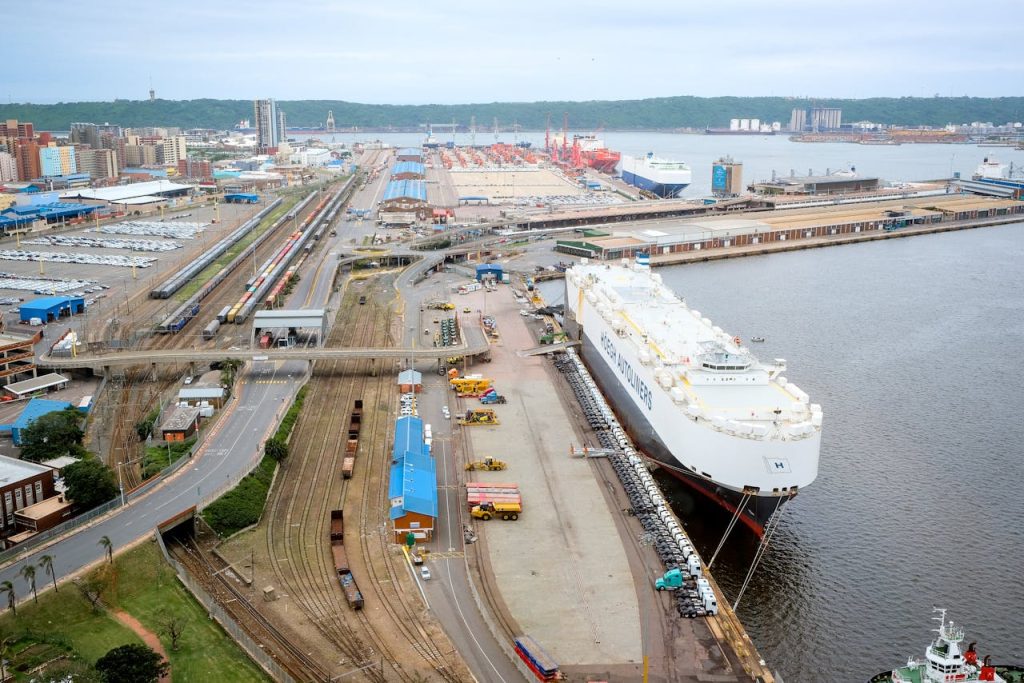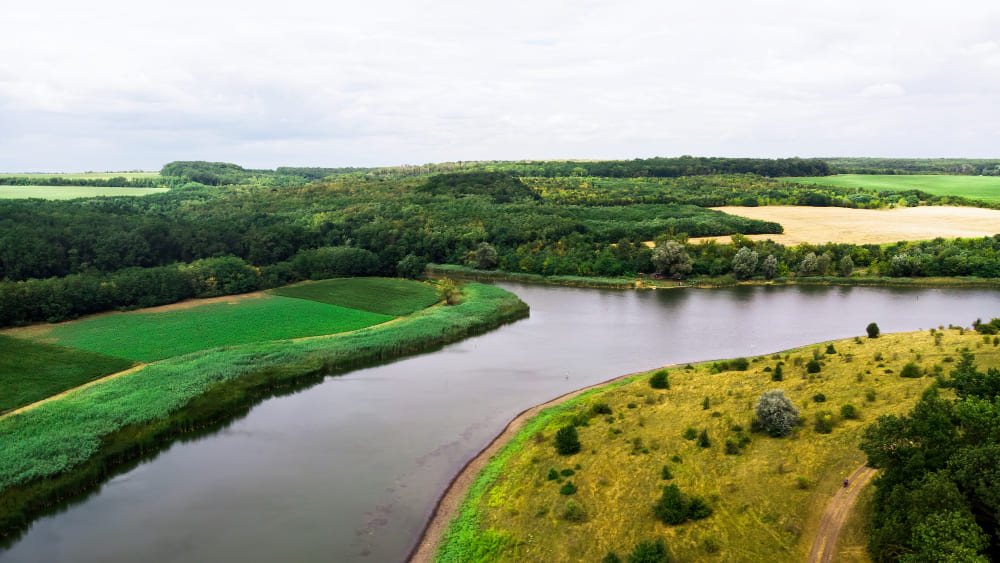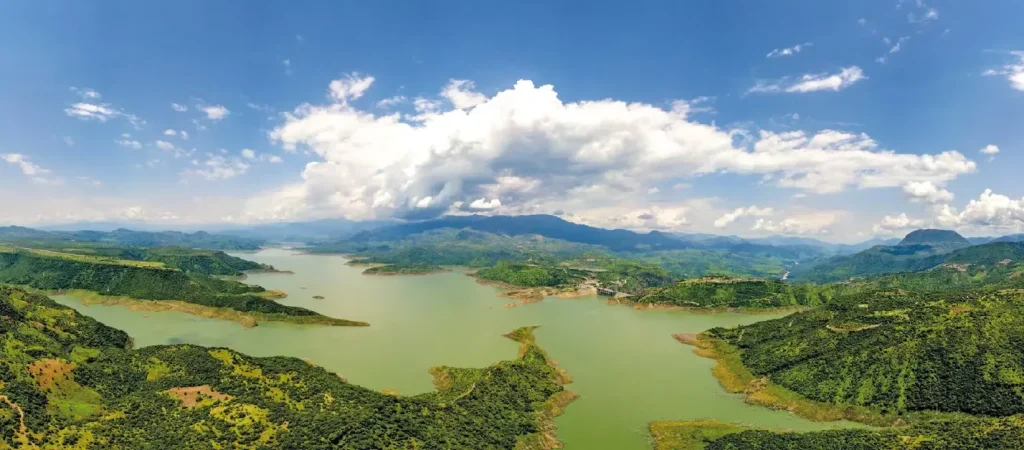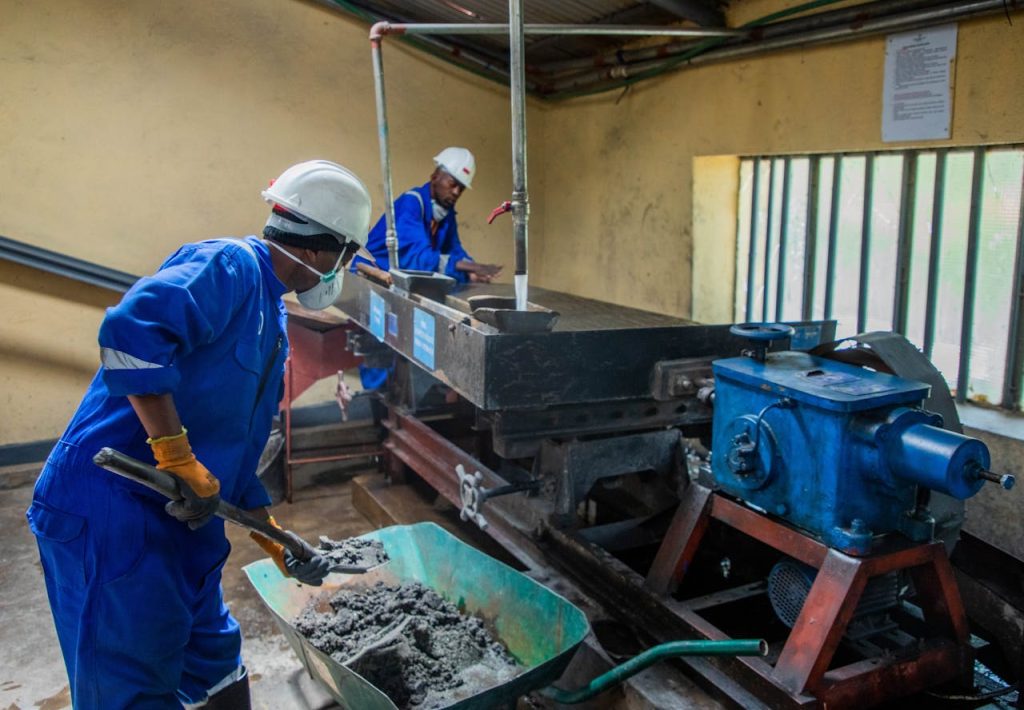
The Republic of Guinea is currently witnessing an unprecedented economic metamorphosis. Long defined by its vast mineral reserves, the “Water Tower of West Africa” is now pivoting toward a new, high-growth frontier: the hospitality and tourism sector. In 2026, the narrative around Hotels Guinea Investment has shifted from basic accommodation to a sophisticated real estate market driven by a chronic undersupply of international-standard hotels and the emergence of Conakry as a regional business hub.
According to recent government economic blueprints, Guinea aims to increase the tourism sector’s contribution to GDP to 7% within the next few years a massive jump from historical lows. For investors, this represents a unique “inflection point” where demand, fueled by the $20 billion Simandou project and a burgeoning middle class, vastly outpaces the current high-end room inventory.
The Drivers of Hospitality Demand in 2026
The surge in interest for hospitality real estate in Guinea is not accidental. It is the result of strategic infrastructure investments and a massive influx of international business travelers.
1. The Mining-Hospitality Nexus
The mining boom is the primary engine of the hotel sector. In 2026, Guinea’s bauxite exports have reached record levels, and the construction of the Simandou iron ore project the largest of its kind globally has brought thousands of high-level expatriates, engineers, and consultants to Conakry. This has created a persistent demand for business-class hotels, long-stay serviced apartments, and MICE (Meetings, Incentives, Conferences, and Exhibitions) facilities that currently experience 85%+ occupancy rates year-round.
2. The “Grand Conakry 2040” Vision
The government’s urban development strategy has designated specific zones for luxury hospitality development. By improving road networks and power stability in districts like Kipé and Kaloum, the state is actively lowering the operational risks for hotel developers. This centralized planning ensures that new Hotels Guinea Investment projects are integrated into the city’s broader growth trajectory.
3. Leisure and Eco-Tourism Potential
Beyond the boardroom, Guinea’s natural beauty—from the Loos Islands (Îles de Los) to the cool highlands of Fouta Djallon is attracting a new wave of niche tourists. The demand for sustainable eco-lodges and luxury resorts that cater to regional African travelers and international explorers is a significant untapped segment of the market.
Prime Locations for Hotel Real Estate Development
Understanding where to build is as critical as what to build. In 2026, the hospitality map of Conakry and beyond is divided into three strategic tiers.
Kaloum: The Business Core
As the administrative and financial district, Kaloum is the “Wall Street” of Conakry.
- The Opportunity: Vertical luxury hotels and high-end boutique properties.
- The Draw: Proximity to government ministries, the Presidential Palace, and major bank headquarters. Investors here benefit from the highest RevPAR (Revenue Per Available Room) in the country.
Kipé and The Northern Corniche: Lifestyle and Retail
This area has become the lifestyle hub of the capital. It is home to upscale restaurants, shopping malls, and diplomatic residences.
- The Opportunity: 4-star lifestyle hotels and mixed-use developments that combine retail with hospitality.
- The Draw: A more relaxed environment with ocean views, favored by NGOs and long-term corporate guests who prefer to be away from the density of Kaloum.
The Hinterland: Specialized Mining and Eco-Hubs
Major mining corridors like Boké and Kamsar are in desperate need of standardized hospitality. Currently, many executives are forced to stay in temporary camps or lower-quality guesthouses. Developing “Mining Hub Hotels” that offer 4-star amenities in these industrial zones is a high-yield, low-competition strategy for 2026.
Government Incentives for Hospitality Investors
The Guinean government has signaled its commitment to the sector by offering a suite of pro-investor policies through the Agency for the Promotion of Private Investment (APIP).
Fiscal Breaks and Tax Holidays
Under the 2026 Investment Code, large-scale hotel projects can qualify for:
- Exemptions on Customs Duties: Zero duties on the import of construction materials, furniture, and kitchen equipment for new hotel projects.
- Corporate Tax Holidays: A 5-to-8-year exemption on corporate income tax for hotels built outside the capital, and a 3-to-5-year exemption for those within Conakry.
- VAT Exemptions: Reduced or zero VAT on specific services during the initial operational phase to boost early-stage profitability.
Legal Protections and Land Access
The government has streamlined the process for securing “Emphyteutic Leases” for tourism projects. These long-term leases (up to 99 years) provide the same level of security as freehold ownership, allowing investors to leverage their land titles for financing from international development banks like the African Development Bank (AfDB).
Navigating the Hospitality Market: Challenges and Solutions
While the ROI is compelling, investing in Guinea’s hotel sector requires a nuanced approach to operational challenges.
Power and Utility Management
In 2026, energy stability is improving, but high-end hotels still require redundant power systems. The trend for the most successful Hotels Guinea Investment projects is the integration of solar-hybrid systems. These “Green Hotels” not only reduce operational costs but also attract ESG-conscious corporate clients.
Human Capital and Service Standards
The biggest differentiator in the 5-star market is service quality. Investors who incorporate on-site training academies or partner with international hotel management groups (like Marriott, Accor, or Radisson) tend to capture the lion’s share of the premium market.
Frequently Asked Questions (FAQ)
1. Is it possible for a foreigner to own a hotel in Guinea?
Yes. Guinea’s laws allow for 100% foreign ownership of hospitality assets. You can register your business as a SARL (Limited Liability Company) or an SA (Public Limited Company) without the need for a mandatory local partner.
2. What is the typical Return on Investment (ROI) for hotels in Conakry?
Due to high occupancy rates and premium room pricing, well-managed 4 and 5-star hotels in Conakry currently see an ROI ranging from 12% to 18%, with payback periods significantly shorter than in more saturated African markets.
3. Which hotel segment has the most growth potential?
While luxury is profitable, there is a massive gap in the “Mid-Scale Business” segment (3 and 4-star). Many mid-level managers and consultants require clean, secure, and technologically modern rooms that are currently in short supply.
4. How does the political stability in 2026 affect my investment?
The 2026 environment is focused on economic continuity. Major mining agreements like Simandou have “stabilization clauses,” and the government views the hospitality sector as a key pillar of national prestige and economic stability.
5. How can Yes Invest in Guinea help me find a site?
We provide comprehensive market entry services, including land title verification, local feasibility studies, and navigating the APIP incentive application. We act as your “boots on the ground” to ensure your project moves from blueprint to grand opening smoothly.
Conclusion: Securing Your Stake in West Africa’s Rising Star
Investing in Hotels Guinea Investment is more than just a real estate play; it is a stake in the modernization of a nation. With the confluence of mining-driven demand, government tax incentives, and a critical lack of standardized rooms, the hospitality sector in Guinea is the premier choice for capital looking for “Alpha” in 2026.
As Conakry transforms into a regional diplomatic and business powerhouse, the first developers to establish high-quality footprints will define the market for decades to come.
Ready to break ground in Guinea? At Yes! Invest in Guinea, we specialize in identifying high-value hospitality sites and securing the permits required for large-scale developments. Let us help you turn Guinea’s tourism potential into your portfolio’s strongest asset.
Contact Yes! Invest in Guinea today to receive our 2026 Hospitality Market Intelligence Report.