The global appetite for healthy, plant-based oils and protein-rich condiments has sparked a massive surge in the demand for oilseeds. Amidst this global shift, Sesame Seed Farming has emerged as one of the most profitable and resilient agribusiness ventures in West Africa. For the Republic of Guinea, a nation endowed with a diverse tropical climate and vast underutilized arable land, the sesame sector represents a “golden” opportunity for investors looking to diversify their agricultural portfolios.
In 2026, the strategic importance of oil crops cannot be overstated. As international markets seek more sustainable and traceable sources of raw materials, Guinea is positioning itself as a key player in the global supply chain. This article explores the biological advantages of the Guinean landscape, the high-growth export potential of the sector, and the fiscal roadmap for establishing a successful Sesame Seed Farming venture through the Invest in Guinea framework.
The Rise of the Global Sesame Market
Sesame is one of the oldest oilseed crops known to humanity, valued for its high oil content (nearly 50%) and its resistance to drought.
1. Growing Demand in Asia and Europe
The primary drivers of the sesame market are the food processing and pharmaceutical industries. In Asia, sesame oil is a staple, while in Europe and North America, the “health food” trend has increased the use of sesame in everything from tahini to artisanal bakery products. According to the International Trade Centre (ITC), the global sesame market is projected to reach record volumes by 2030, with West Africa expected to supply a significant portion of this growth.
2. A Climate-Resilient Investment
Unlike many other cash crops that require intensive irrigation and high rainfall, sesame thrives in semi-arid conditions and can be grown in areas where other crops might fail. In the context of 2026’s climate variability, investing in Sesame Seed Farming offers a layer of biological “hedging” for agribusiness investors.
Why Guinea is the Ideal Hub for Sesame Seed Farming
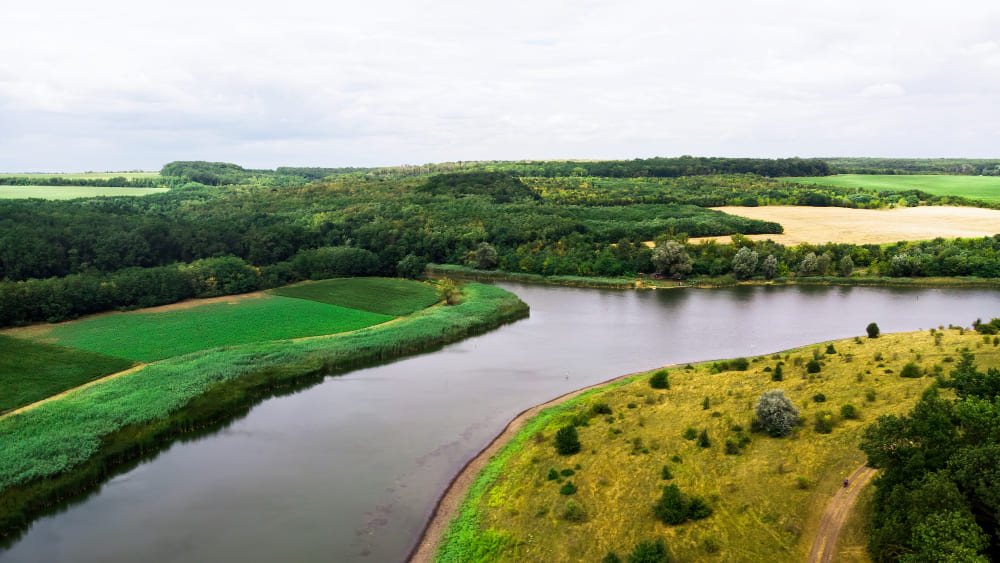
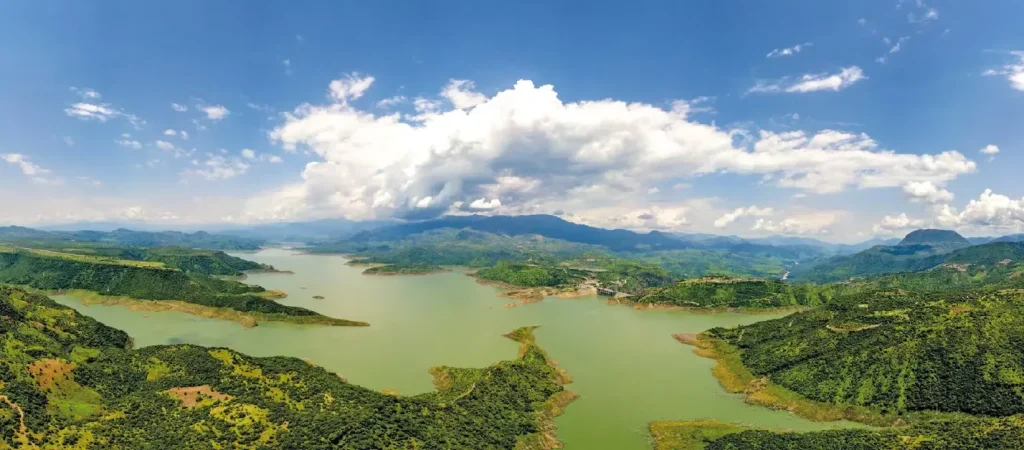
Guinea’s unique geography, ranging from coastal plains to the dry savannahs of the north, provides the perfect climatic gradient for various sesame varieties.
1. Optimal Growing Conditions in Upper Guinea
The Upper Guinea region (Haute-Guinée) offers the precise heat units and well-drained sandy-loam soils that sesame requires. The long sunny days and distinct dry season during the harvest period ensure that the seeds reach their peak oil content and maintain a bright, marketable color.
2. Low Input Costs and High Margins
Sesame is a relatively low-maintenance crop. It requires fewer chemical fertilizers and pesticides than cotton or maize, making it an ideal candidate for organic certification. For investors, this translates to lower operational costs and the ability to access “Organic” and “Fair Trade” premiums in the European market.
Strategic Opportunities in the Oil Crop Value Chain
Successful investment in the Guinean sesame sector in 2026 involves more than just planting; it requires a focus on value addition.
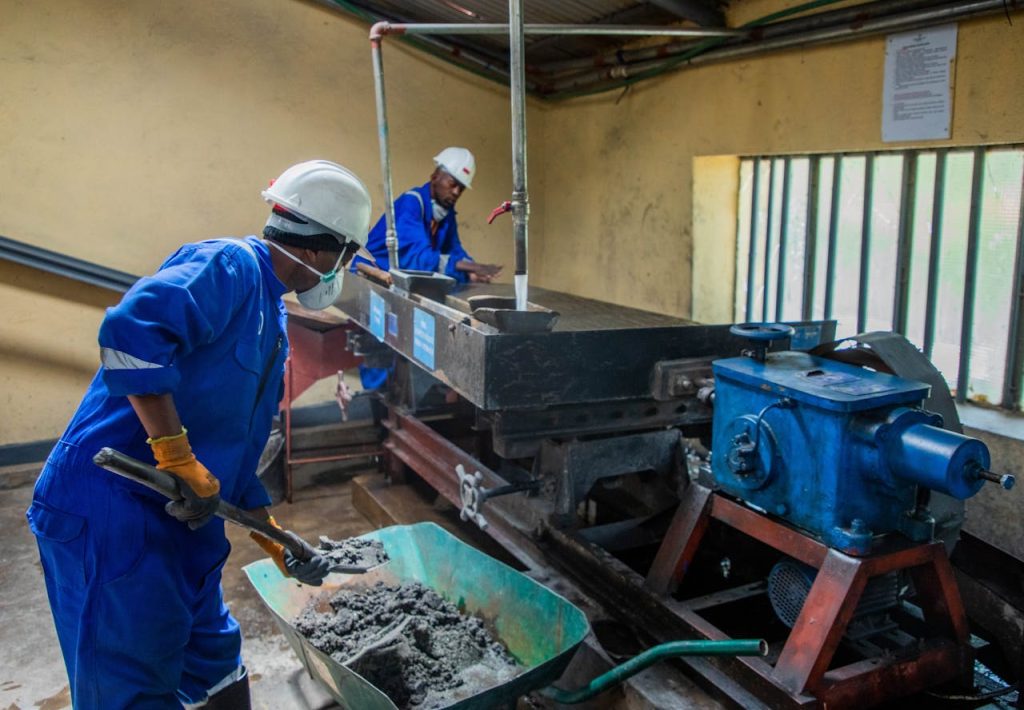
1. Integrated Cleaning and Color-Sorting Facilities
International buyers from Japan and the EU demand high purity levels (99.9%).
- The Opportunity: Establishing modern processing hubs equipped with gravity separators and color sorters.
- The ROI: Cleaned and sorted seeds command a price 20-30% higher than “raw” farm-gate seeds. This project qualifies for Agro-Processing incentives.
2. Local Oil Extraction and Pressing
Instead of exporting raw seeds, there is a massive opportunity to produce cold-pressed sesame oil domestically.
- The Opportunity: Building small-to-mid-scale oil mills for both the domestic culinary market and industrial export.
- The ROI: High-value oil and the byproduct (sesame cake) used for high-protein animal feed create a zero-waste, high-margin business model.
3. Outgrower Schemes and Digital Traceability
The modern consumer wants to know exactly where their food comes from.
- The Opportunity: Partnering with local farming cooperatives through structured outgrower schemes.
- The Tech: Utilizing mobile-based tracking to ensure Sesame Seed Farming compliance with international ESG standards, which is a key requirement for Impact Investing.
Why Invest in Guinean Agribusiness Now?
The 2026 regulatory environment in Guinea has been specifically “rebooted” to favor export-oriented agriculture through the Yes! Invest Guinea portal.
1. The 2026 Agribusiness Export Act
The government has introduced a suite of incentives specifically for oil crop pioneers:
- Tax Holidays: Up to 8 years of corporate tax exemption for export-certified farming ventures.
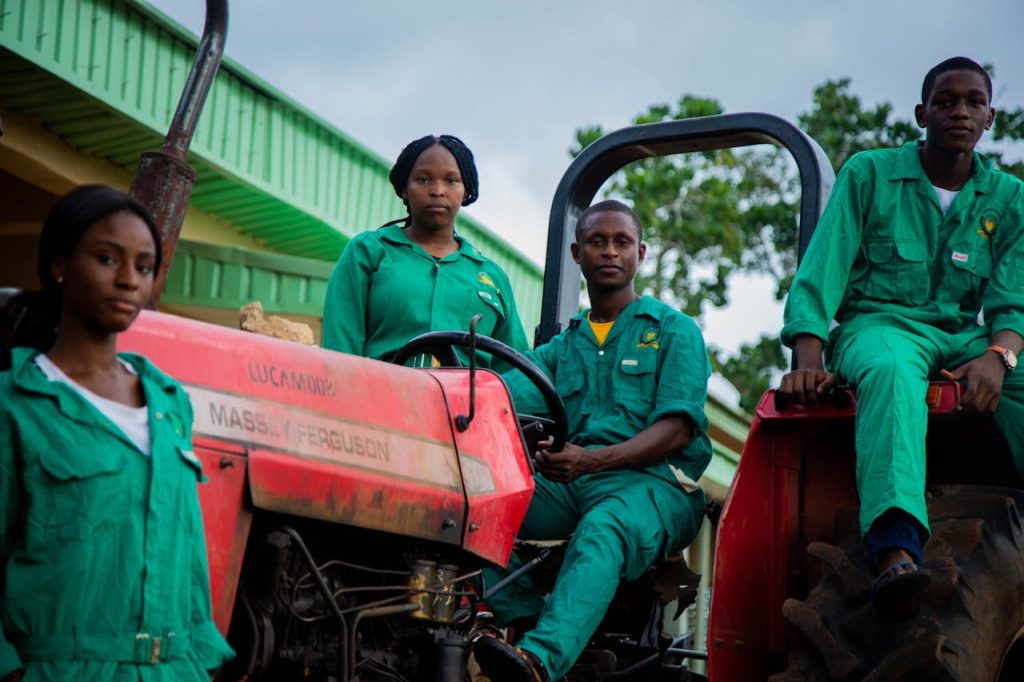
- Customs Waivers: 100% duty-free importation of specialized harvesting machinery, tractors, and oil pressing equipment.
- Land Lease Security: Streamlined agricultural land acquisition processes under the OHADA framework, ensuring long-term tenure security for foreign investors.
2. Access to Global Trade Agreements
As a member of the AfCFTA, Guinea can export processed sesame products duty-free to a massive continental market. Furthermore, the “Everything But Arms” (EBA) agreement with the European Union allows Guinean sesame to enter the European market without tariffs, providing a distinct advantage over non-African competitors.
Roadmap for Sesame Investment Success
- Site Selection: Identifying land in Upper Guinea with optimal soil pH and drainage.
- Seed Variety Selection: Choosing white sesame varieties for the food market or high-oil brown varieties for the pressing industry.
- Local Workforce Integration: Training local communities in modern post-harvest handling to prevent seed damage and mold.
- Partnering with Yes! Invest Guinea: We assist in securing the necessary agricultural permits, navigating Legal and Regulatory Assistance, and facilitating Government and Institutional Liaison.
FAQ: Sesame Seed Farming Guinea
- What is the typical yield for sesame in Guinea?
With improved seed varieties and basic mechanical assistance, yields in Guinea can reach 800kg to 1,000kg per hectare. In 2026, the focus is on “Quality over Quantity” to secure premium pricing.
- When is the planting and harvest season for sesame?
Planting typically begins at the start of the rainy season (June/July), with the harvest occurring in the dry season (October/November). The dry harvest period is crucial for ensuring the seeds are naturally dried and free from aflatoxins.
- Is there a local market for sesame in Guinea?
While the primary focus is export, there is a growing domestic demand for sesame oil and snacks as the Guinean middle class seeks healthier dietary alternatives.
- Can I get financing for my agribusiness project in Guinea?
Yes. In 2026, many Development Finance Institutions (DFIs) and “Green Banks” offer low-interest loans for sustainable Sesame Seed Farming projects that contribute to food security and rural employment.
- How can Yes! Invest Guinea help me get started?
Yes! Invest Guinea acts as your institutional bridge identifying land, securing tax-exempt status, and connecting you with reliable local cooperatives for outgrower partnerships.
Conclusion: Planting the Seeds of Prosperity
The Republic of Guinea is ready to become a leader in the global oilseed market. Sesame Seed Farming: Oil Crop Opportunities represent the perfect intersection of ecological advantage and economic demand. By harnessing the resilience of the sesame plant and the strategic support of the Guinean government, investors can build a business that is both profitable and socially impactful.
The fields of Upper Guinea are waiting. The investors who plant their seeds today will be the ones harvesting the rewards of the 21st-century oil crop boom.
Grow Your Future with Yes! Invest Guinea
At Yes! Invest Guinea, we are the champions of your agricultural success. From the first seed planted to the final export container, our team provides the local intelligence and institutional access you need to thrive.
Contact Yes! Invest Guinea today to receive our 2026 Sesame & Oil Crop Investment Prospectus.