The global agribusiness landscape is experiencing a massive geopolitical shift in 2026. Institutional investors, sovereign wealth syndicates, and highly experienced agricultural conglomerates are looking beyond traditional farming boundaries to secure resilient food supply chains and capitalize on untapped, high-yield territory. A prominent development in this macroeconomic movement is the rising interest from New Zealand investors exploring Guinea’s agriculture sector.
New Zealand renowned globally for its world-class dairy mastery, sophisticated agritech innovation, and efficient pastoral supply chains possesses the precise operational blueprints that Guinea’s modernizing economy requires. Concurrently, the Republic of Guinea, famously dubbed the “Water Tower of West Africa,” offers over 6 million hectares of highly fertile arable land, unmatched hydrological resources, and a supportive, modernized regulatory environment.
At Yes! Invest Guinea, we serve as the primary institutional and operational bridge connecting Australasian agricultural enterprises with local asset concessions, long-term commercial land leases, and joint-venture projects. Driven by the historic implementation of the “Simandou 2040” framework, Guinea provides an ironclad, legally protected environment for international capital. This comprehensive article provides an exhaustive analysis of the strategic advantages and high-yield entry points awaiting Kiwi agribusiness pioneers.
1. The Strategic Alliance: Why New Zealand Expertise is a Perfect Match for Guinea
The partnership between New Zealand capital and Guinea’s agriculture sector is built on absolute commercial complementarity. While New Zealand has reached structural land and environmental capacity limits domestically, Guinea offers an unparalleled blank canvas of ultra-fertile soil backed by abundant annual rainfall.
Deploying World-Class Pasture and Livestock Management
New Zealand’s global dairy dominance is anchored in its highly sophisticated pasture management systems and advanced bovine genetics. Guinea features expansive, nutrient-rich savannahs and highland plains, particularly in the temperate Fouta Djallon region, which mirror ideal pastoral conditions.
Kiwi dairy and livestock investors can establish large-scale, commercial cattle ranches and modern processing facilities locally. By replacing expensive imported dairy products with high-quality local production, investors can instantly capture a dominant market position within Guinea and across the broader West African region, supported by technical benchmarks from organizations like the Food and Agriculture Organization (FAO).
Cross-Continental Agritech and Automation Transfer
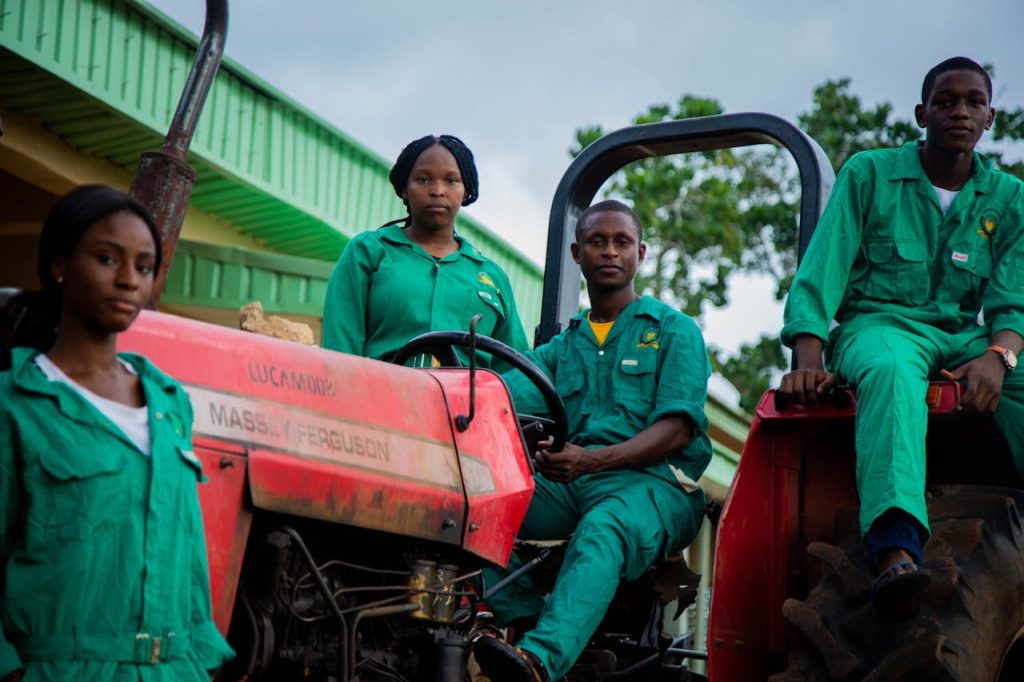
New Zealand agritech firms are global leaders in precision fencing, automated milking systems, mechanized harvesting, and electric irrigation software. Guinea’s commercial farming sector is undergoing rapid industrialization and urgently requires these precise technologies to scale its output. By deploying Kiwi-engineered agricultural hardware and smart software solutions, new farming setups can maximize yield efficiency from day one, bypassing the painful trial-and-error curves that traditional agricultural setups usually face.
2. High-Yield Sub-Sectors Primed for Kiwi Capital Allocation
While pastoral livestock offers immediate scale, Guinea’s agricultural landscape contains several high-margin niches uniquely suited for New Zealand’s advanced commodity processing expertise.
Establishing Advanced Nut Processing Units
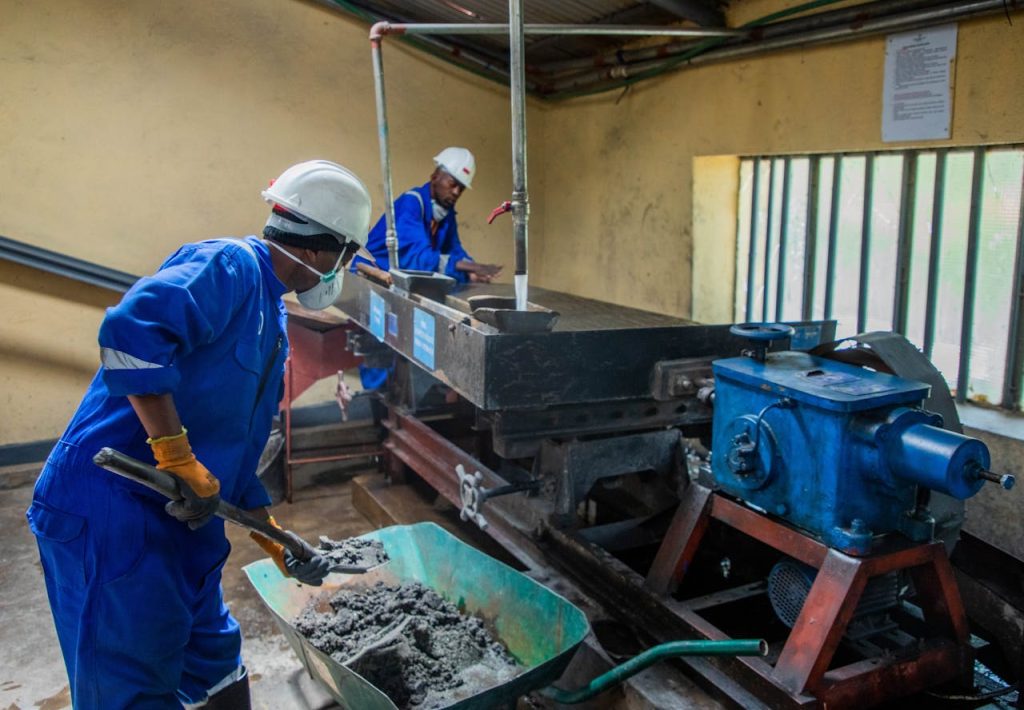
Guinea stands as one of the top producers of raw cashew nuts and groundnuts in West Africa. However, historically, a vast percentage of these crops have been exported in their raw form, leaving the bulk of the profit margins to overseas processors. In 2026, the trend has shifted decisively toward localized value addition.
By investing in integrated Nut Processing Units, New Zealand operators can process fresh cashews locally. This creates a premium, value-added product line that strictly complies with international quality benchmarks regulated by the International Organization for Standardization (ISO), opening up seamless, tariff-free export corridors directly into European and Asian retail supermarkets.
High-Value Horticulture and Floriculture Exports
The diverse micro-climates across Guinea enable the year-round cultivation of world-class tropical fruits (such as pineapples, mangoes, and avocados) alongside delicate floriculture. New Zealand’s legendary expertise in maintaining cold-chain integrity and navigating complex international phytosanitary protocols gives Kiwi exporters a massive advantage. Utilizing newly modernized air-cargo facilities at the Conakry International Airport, perishable premium horticultural goods can reach wealthy consumers in Europe and the Middle East within hours of harvest.
Sustainable Aquaculture along the Atlantic Gateway
Guinea boasts a pristine, nutrient-rich 320 km coastline along the Atlantic Ocean, presenting an exceptional frontier for commercial seafood production. New Zealand seafood corporations, highly respected for their strict adherence to sustainable marine management, can establish modern aquaculture farms, cold-storage networks, and advanced canning factories to serve the booming regional protein market.
3. Infrastructure, Logistics, and Smart Energy Integration
Successful large-scale agribusiness requires robust physical logistics and a reliable power grid. Guinea’s ongoing nationwide infrastructure boom has effectively minimized historical barriers to market entry.
Accessing Multi-User Transport Networks
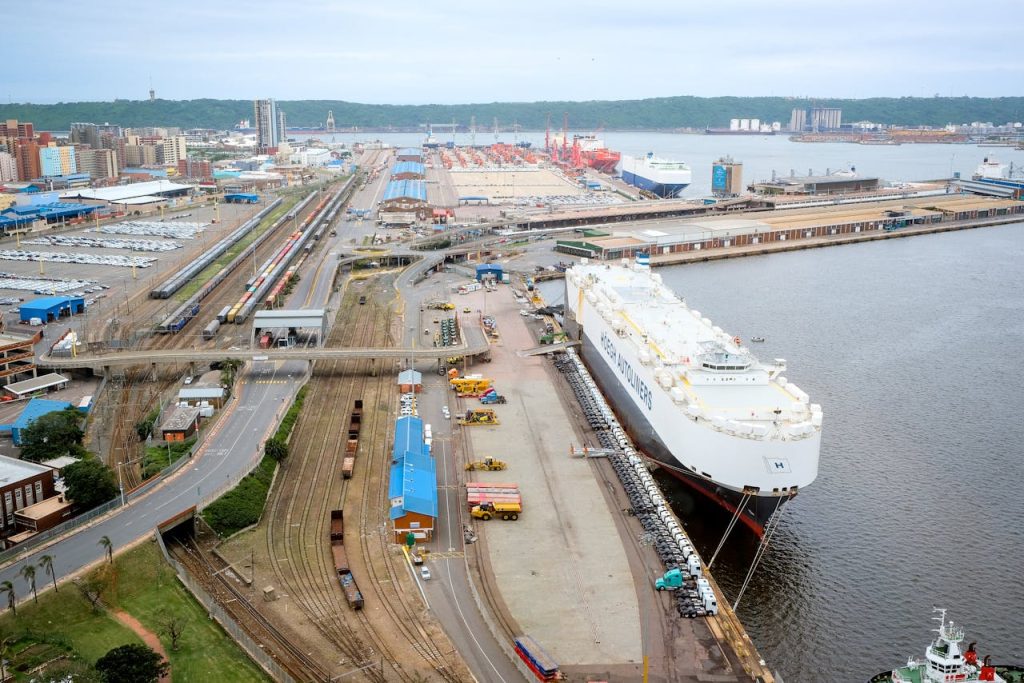
The operational rollout of the Simandou development corridor has delivered a state-of-the-art 670 km heavy-haul railway and a deep-water port at Morebaya. Formally structured as a multi-user transport network, this logistics spine allows agricultural developers to transport bulk inputs, machinery, and harvested grain yields out of the deep interior to global shipping lanes with maximum efficiency, radically cutting down transit times.
Powering Agro-Industrial Sites via Renewable Microgrids
To guarantee uninterrupted 24/7 processing and automated irrigation operations completely independent of the national grid, remote commercial farms are increasingly deploying decentralized energy systems. Australasian energy developers can capitalize on this trend by building localized hybrid Microgrid Systems that combine industrial solar arrays with advanced battery energy storage systems (BESS). These smart grids utilize advanced IoT Guinea applications to monitor crop health and manage factory energy loads in real-time, drastically reducing operational carbon footprints.
4. Legal Certainty: Navigating the 2026 OHADA Framework
A primary requirement for New Zealand corporate boards, institutional compliance teams, and legal counsels looking to deploy large-scale capital in West Africa is the transparency, predictability, and safety of the host nation’s legal environment. Guinea provides a robust framework to protect foreign direct investment.
Standardized Corporate Regulations under OHADA
Guinea operates as a prominent member of the OHADA Law framework, a highly unified commercial legal code implemented across 17 African nations. This civil law system provides exceptional predictability. It guarantees that long-term commercial land concessions (Emphyteutic leases for up to 99 years), corporate joint ventures, asset purchases, and intellectual property rights are legally secure and fully recognized by international commercial arbitration courts.
Exclusive Incentives Under the Investment Code
Foreign enterprises registering agricultural and processing operations through the Agency for the Promotion of Private Investments (APIP) unlock competitive fiscal benefits under the updated 2026 Investment Code:
-
Tax Holidays: A complete 8 to 10-year exemption from corporate income tax for agricultural and industrial projects established outside the capital city.
-
Customs Duty Waivers: 0% import duties and full VAT exemptions on all specialized farming machinery, agritech hardware, and processing equipment during the setup phase.
-
Capital Protection: Full legal rights for international corporations to freely repatriate 100% of profits, corporate dividends, and operational capital in foreign currency back to New Zealand.
5. Frequently Asked Questions (FAQ)
1. Can New Zealand companies maintain 100% ownership of agricultural projects in Guinea? Yes. Under the OHADA legal framework and Guinea’s open investment policies, international investors are legally permitted to establish, manage, and maintain 100% corporate ownership of their local subsidiaries (SARL or SA) without requiring a mandatory local partner.
2. What international trade agreements benefit agricultural products grown in Guinea? Goods processed or manufactured within Guinea qualify for tariff-free distribution across the continent via the African Continental Free Trade Area (AfCFTA). For global trade, products also benefit from duty-free access to European markets through the Everything But Arms (EBA) initiative.
3. How long does the official business registration process take for an international investor? Through the digitized “One-Stop Shop” system managed by APIP, foreign corporations can fully complete company incorporation, secure a local Tax ID (NIF), and obtain a commercial registry (RCCM) in approximately 3 to 5 business days, provided all notarized documentation is in order.
4. How does Guinea manage environmental and social compliance for large-scale farming? Guinea enforces strict environmental, social, and governance (ESG) protocols. Every large-scale agricultural or processing setup must undergo an official Environmental and Social Impact Assessment (ESIA) to guarantee long-term environmental protection and positive community development.
5. How can Yes! Invest Guinea assist New Zealand agribusiness firms? We serve as your comprehensive institutional concierge on the ground. Our team handles Legal and Regulatory Compliance, assists in securing fertile land concessions, navigates bureaucratic processes, and facilitates local International Recruitment to build your local engineering, technical, and management teams.
Conclusion: Seizing the Frontier Advantage
The window of opportunity to leverage the momentum of New Zealand investors exploring Guinea’s agriculture sector is wide open in 2026. By matching New Zealand’s agricultural mastery, agritech innovation, and strict quality standards with Guinea’s immense natural wealth, modernizing logistics corridors, and secure legal frameworks, forward-thinking corporations can secure an unshakeable market position in West Africa.
Scale Your Agribusiness Venture with Yes! Invest Guinea
At Yes! Invest Guinea, we deliver the critical data, verified institutional networks, and legal safety rails required to transition your commercial project seamlessly from a blueprint into a highly profitable operational reality.