The global trade architecture in 2026 is undergoing a profound diversification, forcing manufacturing powerhouses and resource-rich nations to establish resilient, non-traditional commercial corridors. A standout development in this macroeconomic shift is the rising momentum behind Mexico and Guinea trade expansion. As Mexico continues to solidify its position as an advanced industrial exporter and nearshoring giant, its reliance on securing high-grade critical raw materials and expanding into new consumer markets has naturally intensified. Conversely, the Republic of Guinea, operating as West Africa’s premier industrial growth hub, offers unparalleled mineral wealth and untapped agricultural potential.
At Yes! Invest Guinea, we act as the primary operational and institutional bridge connecting Latin American corporate groups with local asset concessions and joint-venture opportunities. Driven by the historic execution of the “Simandou 2040” vision and a modernized regulatory framework, Guinea provides a legally secure environment for international business. This article explores the core strategic drivers and high-yield niches defining the trade expansion between Mexico and Guinea.
1. The Industrial Synergy: Feeding Mexico’s Automotive and Tech Manufacturing
Mexico’s massive manufacturing ecosystem spanning automotive assembly, aeronautics, and advanced electronics requires an absolute guarantee of uninterrupted, premium mineral supply chains. Guinea’s extraordinary geological wealth makes it a natural strategic partner.
Bauxite and the Automotive Supply Chain
Mexico is one of the world’s most vital automotive manufacturing hubs, an industry heavily reliant on high-quality aluminum components to reduce vehicle weight and meet strict emission standards. Guinea holds the world’s largest reserves of premium bauxite, estimated at over 40 billion tonnes.
In 2026, the trend in Mexico and Guinea trade has moved decisively toward domestic value addition. The Guinean government now offers extensive fiscal incentives for international industrial firms that establish alumina refineries locally. Mexican industrial conglomerates can secure direct, long-term supply agreements or invest in mid-stream refining processing units within Guinea, exporting high-value alumina directly to North American manufacturing corridors.
Critical Minerals for Advanced Electronics
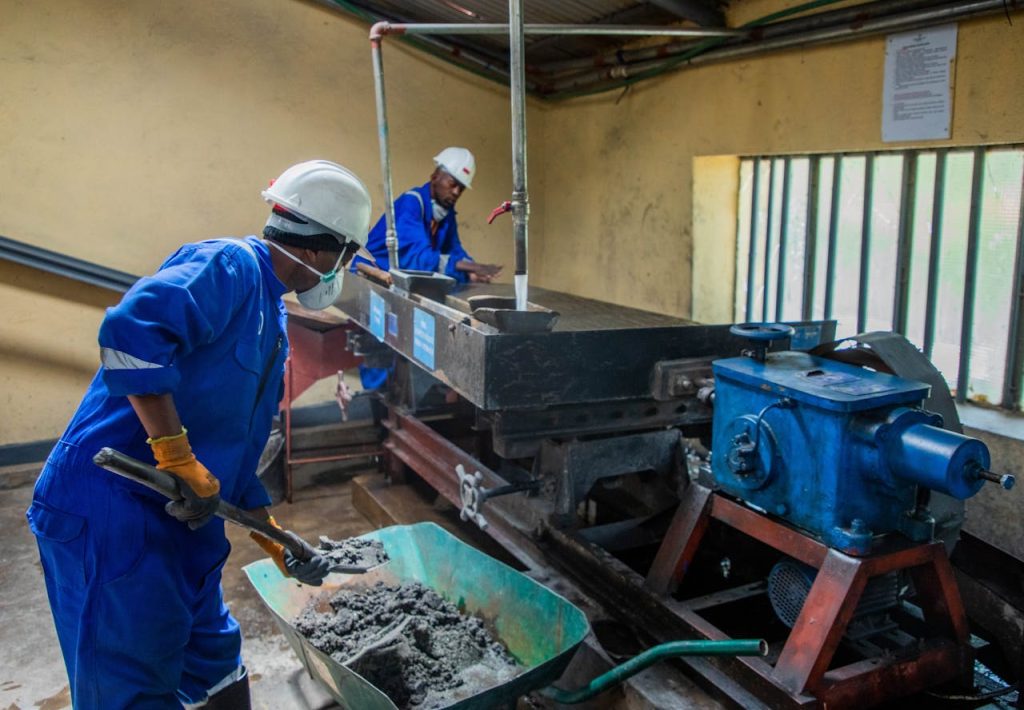
Beyond traditional bauxite and iron ore, Guinea’s tech-driven exploration has opened up major new resource plays. Guinea features highly profitable, untapped deposits of essential green-tech and electronic minerals:
- Antimony and Bismuth: High-value specialty elements indispensable for advanced semiconductor fabrication and precision engineering.
- Graphite and Nickel: Primary raw components necessary for the global battery energy storage revolution and electric vehicle (EV) ecosystems.
Mexican electronics and automotive components manufacturers can secure an early-mover advantage by entering the Mining Opportunities in Guinea sector, utilizing Guinea’s fully digitized mining cadastre system which streamlines licensing and regulatory compliance.
2. Agribusiness Expansion: Food Security and Commodity Trading
While industrial minerals form the bedrock of early-stage trade expansion, the agricultural sector offers immense, high-margin potential for Mexican agribusiness groups looking to scale global operations.
Cross-Atlantic AgTech Transfer
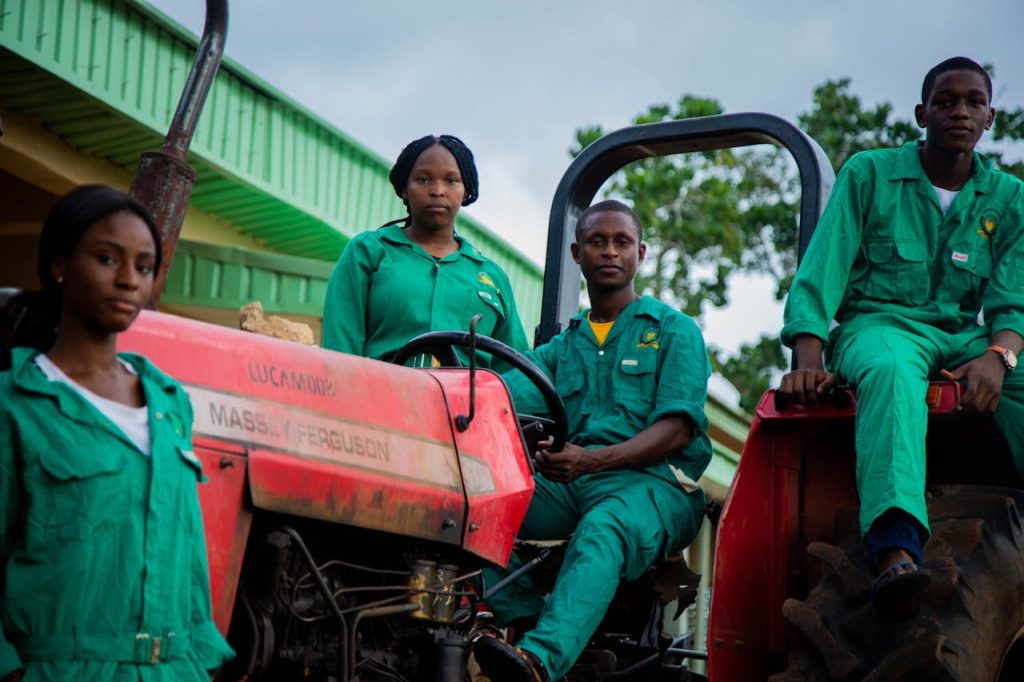
Guinea features over 6 million hectares of highly fertile arable land and high annual rainfall, earning it the geographic title “Water Tower of West Africa.” However, the local agricultural sector urgently requires modernization, mechanization, and advanced crop management systems to fully scale its export output. Mexico’s highly advanced agribusiness sector, renowned for its large-scale irrigation technology, greenhouse management, and tropical crop optimization, is uniquely positioned to fulfill this demand.
Setting Up Advanced Nut Processing Units
A prime example of a lucrative South-South venture is the establishment of integrated Nut Processing Units within Guinea. Rather than exporting raw agricultural commodities, Mexican operators can set up processing facilities directly at the source. Processing fresh cashews and groundnuts locally creates a highly competitive product line that complies with global standards regulated by the International Organization for Standardization (ISO), opening seamless, tariff-free export channels to both North American and European retail supermarkets.
Sustainable Aquaculture and Fisheries
Guinea’s nutrient-rich 320 km Atlantic coastline provides an exceptional landscape for the commercial seafood market. Mexican industrial fishing and processing corporations can establish modern freezing, packaging, and canning infrastructure to serve the rapidly expanding West African consumer market or export premium seafood globally via the AfCFTA (African Continental Free Trade Area) framework.
3. Logistics, Special Economic Zones, and Market Access
Successful international trade relies heavily on physical connectivity, modern logistics infrastructure, and supportive economic zones. Guinea’s current infrastructure boom has effectively minimized historical market entry barriers.
Utilizing Multi-User Transport Networks
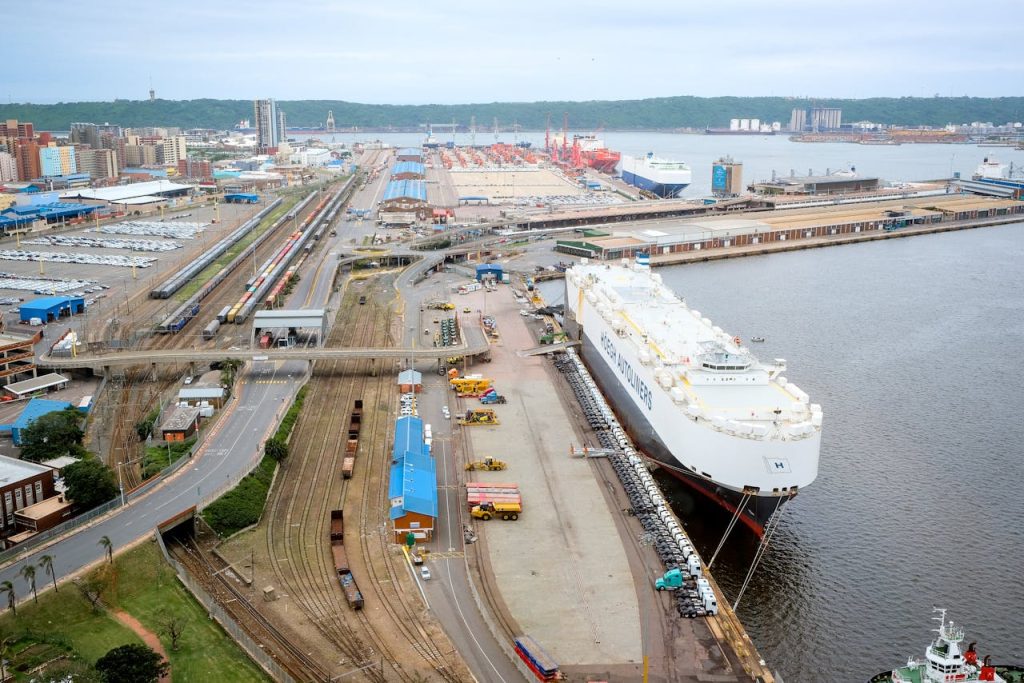
The operational rollout of the Simandou corridor has delivered a 670 km heavy-haul railway and a deep-water port at Morebaya. Designed as a multi-user transport network, this logistics spine allows companies to move heavy agricultural and industrial commodities out of the interior swiftly. Mexican trade houses can leverage these new rail lines and port facilities to lower operational costs, making trade between the Atlantic coast of Africa and Mexico’s Gulf ports highly competitive.
Capturing the AfCFTA Market through Light Manufacturing
By establishing localized assembly plants or light manufacturing units within Guinea’s newly designed Special Economic Zones (SEZs), Mexican investors can gain tariff-free access to a massive market of 1.3 billion consumers across 54 African nations. These SEZs offer “plug-and-play” industrial infrastructure, including stable power lines and fiber-optic connectivity. Mexican firms can import industrial intermediate goods, complete local assembly in Guinea, and distribute finished consumer goods duty-free across the entire continent, backed by Big Data Analytics to track regional supply trends.
4. Legal Certainty: Navigating the OHADA Regulatory System
A primary requirement for Mexican corporate boards, legal teams, and compliance officers looking to deploy large-scale capital in West Africa is the transparency and safety of the host nation’s legal environment. Guinea provides a robust framework to protect foreign direct investment.
Standardized Corporate Regulations under OHADA
Guinea operates as a prominent member of the OHADA Law framework, a highly unified commercial legal code implemented across 17 African nations. This civil law structure provides exceptional predictability, ensuring that international joint ventures, asset purchases, commercial contracts, and long-term land concessions are legally secure and fully recognized by international commercial arbitration courts.
Exclusive Fiscal Incentives for International Developers
Foreign enterprises registering operations through the Agency for the Promotion of Private Investments (APIP) gain access to an aggressive suite of industrial incentives under the updated 2026 Investment Code:
- Tax Holidays: A complete 8 to 10-year exemption from corporate income tax for manufacturing, technological, and agricultural projects established outside the capital city.
- Customs Duty Waivers: 0% import duties and full VAT exemptions on all specialized machinery, technological hardware, and manufacturing equipment during the project setup phase.
- Capital Protection: Full legal rights for international corporations to freely repatriate 100% of profits, company dividends, and operational capital in foreign currency back to Mexico.
5. Frequently Asked Questions (FAQ)
- Can a Mexican company maintain 100% corporate ownership in Guinea?
Yes. Under the OHADA legal framework and Guinea’s open investment policies, international foreign investors are legally permitted to establish and maintain 100% ownership of their local corporate subsidiaries (such as a SARL or SA) without requiring a mandatory local partner.
- What international trade frameworks benefit goods produced in Guinea?
Goods manufactured or processed in Guinea qualify for tariff-free access across the continent via the African Continental Free Trade Area (AfCFTA). For global trade, products also benefit from duty-free access to European markets through the Everything But Arms (EBA) initiative.
- How long does the official business registration process take for a new foreign investor?
Through the digitized “One-Stop Shop” system managed by APIP, international corporations can complete company incorporation, obtain a local Tax ID (NIF), and secure a commercial registry (RCCM) in approximately 3 to 5 business days, provided all notarized documentation is in order.
- How does Guinea manage power reliability for new manufacturing facilities?
While large-scale hydroelectric dams provide baseline power for heavy industry, remote manufacturing and agricultural hubs increasingly deploy decentralized hybrid Microgrid Systems. These smart grids combine solar arrays with advanced battery storage, utilizing IoT Guinea tools to manage industrial loads in real-time.
- How can Yes! Invest Guinea assist Mexican corporate groups?
We serve as your comprehensive institutional concierge on the ground. Our team handles Legal and Regulatory Compliance, assists in securing commercial land and processing permits, navigates bureaucratic liaisons, and facilitates local International Recruitment to build your local engineering and management teams.
Conclusion: Capitalizing on the Trans-Atlantic Commercial Axis
The window of opportunity to leverage the Mexico and Guinea trade expansion opportunities is wide open in 2026. By matching Mexico’s advanced manufacturing expertise and agribusiness dominance with Guinea’s immense natural wealth, modernized transport corridors, and secure legal frameworks, forward-thinking corporations can secure an unshakeable market position.
Scale Your Trade Operations with Yes! Invest Guinea
At Yes! Invest Guinea, we deliver the localized data, verified institutional networks, and legal safety rails required to transition your commercial project seamlessly from a blueprint into a highly profitable operational reality.