The global landscape for resource security is shifting rapidly in 2026. Institutional investors and sovereign wealth funds from the Middle East are aggressively diversifying their portfolios away from oil-dependent assets and moving heavily into real-world commodities. A prominent development in this macroeconomic shift is Kuwait’s interest in Guinea’s mining industry. As a country possessing some of the world’s highest-grade mineral deposits, the Republic of Guinea has become a focal point for Kuwaiti capital looking to secure long-term, high-yield supply chains in West Africa.
At Yes! Invest Guinea, we act as the primary operational and institutional bridge connecting Middle Eastern capital with local mineral concessions. Powered by the historic execution of the “Simandou 2040” vision and a modernized regulatory framework, Guinea offers a highly secure and incredibly profitable investment environment. This comprehensive article explores the specific strategic drivers attracting Kuwaiti sovereign wealth and private equity to Guinea’s booming extractive sector.
1. Capital Meets Minerals: The Core Drivers of Kuwaiti Interest
The partnership between Kuwaiti financial power and Guinea’s resource wealth is built on absolute economic complementarity. Kuwait possesses immense sovereign wealth, while Guinea holds what geologists famously call a “geological scandal” an unmatched concentration of valuable minerals.
Sovereign Wealth Diversification and Vision 2035
Kuwait’s investment strategy, managed by elite entities such as the Kuwait Investment Authority (KIA), is heavily focused on acquiring stable, long-term assets that hedge against future energy transitions. Entering Guinea’s mining industry allows Kuwaiti funds to gain direct exposure to minerals that are absolutely essential for the global green transition and modern industrialization.
Sourcing High-Grade Feedstock
Unlike lower-grade deposits found elsewhere, Guinea’s mineral reserves offer exceptional purity, which dramatically lowers processing and refining costs. For Kuwaiti industrial groups looking to feed downstream processing plants globally, securing a direct, uninterrupted pipeline from Guinean soil is an unmissable competitive advantage in 2026.
2. Bauxite and Aluminum: Securing the Gulf’s Industrial Supply
The Gulf Cooperation Council (GCC) region has established itself as a global hub for aluminum smelting. However, smelting requires a steady, high-volume supply of premium raw bauxite or refined alumina.
Dominating the Bauxite Value Chain
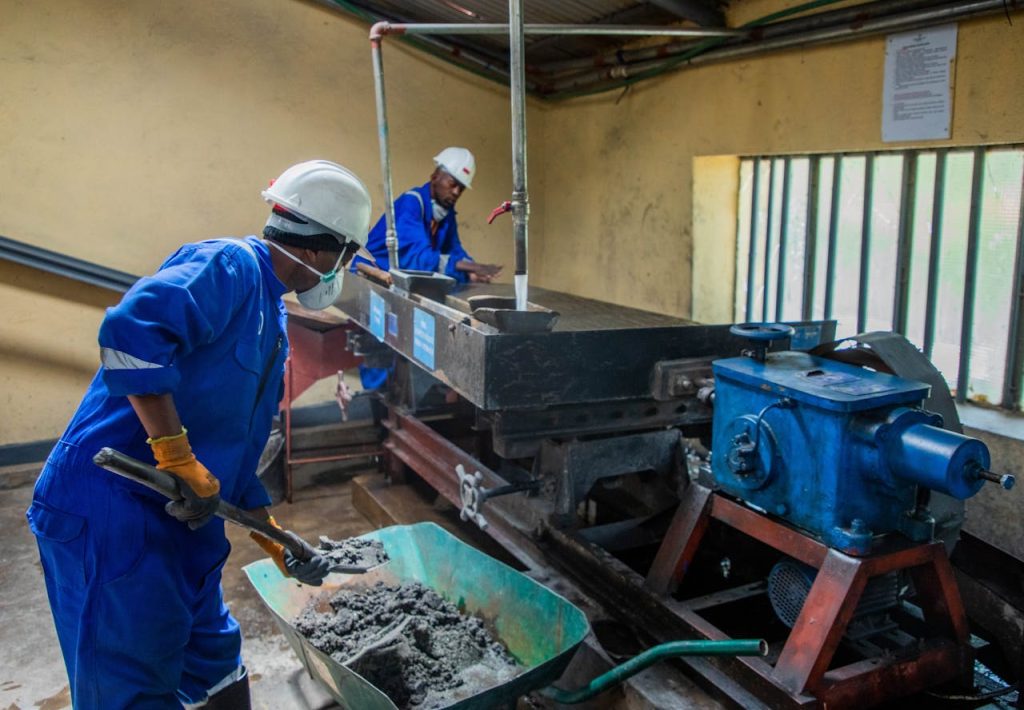
Guinea holds the world’s largest reserves of bauxite, estimated at over 40 billion tonnes. In 2026, the trend of Kuwaiti investment is shifting from simple raw ore extraction to localized processing. The Guinean government has instituted strict mandates and lucrative tax incentives for foreign investors who build alumina refineries domestically. Kuwaiti syndicates are increasingly capitalizing on this by financing mid-stream processing units, allowing them to export high-value alumina directly to smelters across the Middle East.
3. The Simandou Iron Ore Revolution and Secondary Infrastructure
The operational rollout of the Simandou project the largest untapped high-grade iron ore deposit on earth has fundamentally transformed Guinea’s national infrastructure and ignited intense interest from Kuwaiti developers.
Unlocking the Trans-Guinean Logistics Corridor
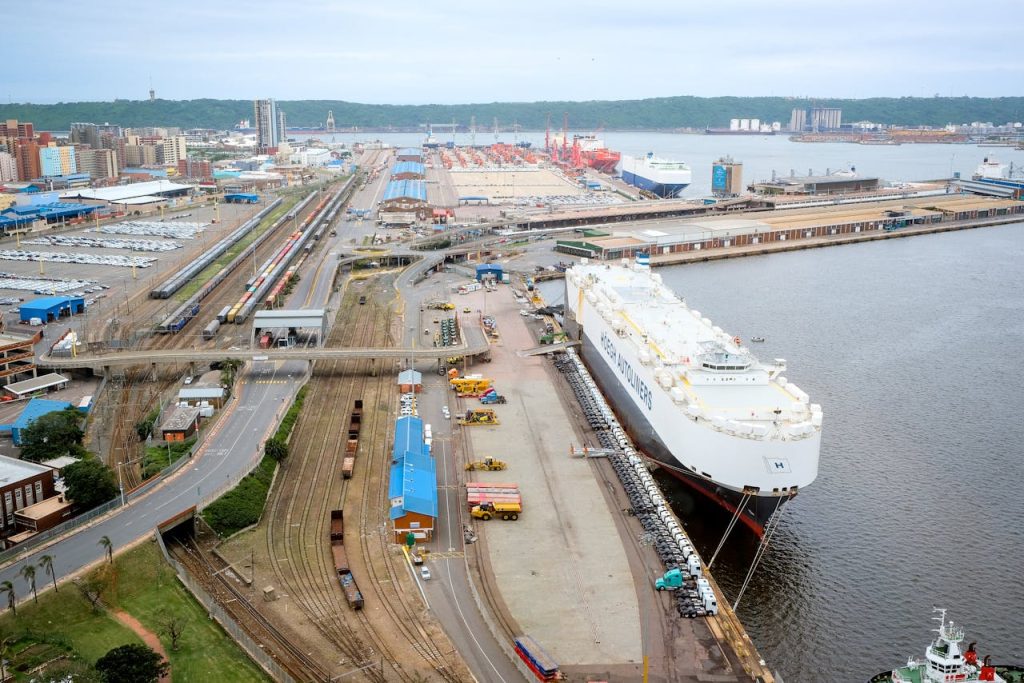
The completion of the 670 km Trans-Guinean railway and the deep-water port at Morebaya has successfully solved the historical challenge of logistics in West Africa. This steel spine functions as a multi-user transport network, allowing mining companies to transport heavy minerals from the deep interior to the Atlantic coast with maximum efficiency.
Kuwaiti infrastructure funds are evaluating secondary investment opportunities along this rail corridor. This includes developing Industrial Parks and Warehousing hubs and providing specialized logistical support services to the primary mining consortia, which heavily increases the value of Infrastructure Development Guinea projects.
Iron Ore for Green Steel Production
Simandou’s iron ore boasts an exceptionally high purity level, making it the ideal feedstock for Direct Reduced Iron (DRI) processing. As global steel manufacturing shifts toward “Green Steel” to meet strict decarbonization targets, Kuwaiti industrial investors are positioning themselves to control a vital link in the future global manufacturing supply chain by securing Mining Opportunities in Guinea.
4. Diversifying into Precious Metals and Critical Minerals
While bauxite and iron ore capture international headlines, Guinea’s diverse geological landscape offers highly lucrative niche options for specialized Kuwaiti private equity firms.
Golden Opportunities in the Birimian Belts
Guinea’s Upper region features expansive, highly productive gold belts that continue to yield substantial industrial outputs. Kuwaiti jewelry networks and financial institutions are looking to formalize and scale these operations by backing tech-driven exploration projects. These ventures are highly secure, benefiting from Guinea’s transparent, fully digitized mining cadastre system which streamlines licensing and compliance.
Strategic Sourcing of Critical Tech Minerals
The rapid expansion of global electronics and electric vehicle (EV) ecosystems has amplified the demand for critical minerals. Guinea features highly profitable, untapped deposits of essential green-tech minerals:
- Antimony and Bismuth: High-value specialty elements crucial for advanced semiconductor fabrication and safety materials.
- Graphite and Nickel: Primary raw components necessary for the global battery energy storage revolution.
Kuwaiti venture capital groups are actively utilizing Big Data Analytics to map out these critical mineral concessions, aiming to establish an early-mover advantage in Guinea’s high-tech mining frontier.
5. Navigating Legal Certainty and Fiscal Protections
A primary requirement for Kuwaiti corporate boards, compliance teams, and family offices looking to deploy large-scale capital in West Africa is the transparency and legal safety of the host nation. Guinea provides an ironclad framework to protect foreign direct investment.
Standardized Corporate Regulations under OHADA
Guinea operates as a prominent member of the OHADA Law framework, a highly unified commercial legal code implemented across 17 African nations. This civil law structure provides exceptional predictability, ensuring that international mineral concessions, joint ventures, asset purchases, and long-term commercial land leases are legally secure and fully recognized by international commercial arbitration courts.
Exclusive Incentives Under the 2026 Investment Code
Foreign enterprises registering mining and infrastructure operations through the Agency for the Promotion of Private Investments (APIP) unlock competitive fiscal benefits under the updated Investment Code:
- Tax Stability Agreements: Guaranteed protection against any future changes in fiscal or corporate tax laws for the entire duration of the mining convention.
- Customs Duty Waivers: 0% import duties and full VAT exemptions on all specialized machinery, engineering hardware, and mining equipment during the initial construction and exploration phases.
- Capital Protection: Full legal rights for Middle Eastern corporations to freely repatriate 100% of profits, company dividends, and operational capital in foreign currency back to Kuwait.
Frequently Asked Questions (FAQ)
- Why is Kuwait specifically focusing on Guinea’s mining industry over other markets?
Guinea offers an unmatched concentration of high-grade mineral reserves (especially bauxite and iron ore) combined with legal protections under OHADA law and major infrastructure solutions like the newly operational Trans-Guinean railway corridor.
- Can a Kuwaiti firm maintain 100% ownership of a mining project in Guinea?
While the state typically retains a 15% non-dilutable stake in major mining extraction projects to protect national interests, foreign investors can fully own, manage, and control the remaining 85% of the operating corporate entity.
- What role does renewable energy play in modern Guinean mining sites?
In 2026, Guinea is heavily prioritizing green industrialization. Mining operators are increasingly integrating decentralized hybrid Microgrid Systems combining industrial solar arrays with advanced battery storage to ensure 24/7 power while meeting international ESG protocols.
- How does the business setup process work for new foreign investors?
Through the digitized “One-Stop Shop” system managed by APIP, international corporations can complete company incorporation, obtain a local Tax ID (NIF), and secure a commercial registry (RCCM) in approximately 3 to 5 business days.
- How can Yes! Invest Guinea assist Kuwaiti institutional investors?
We serve as your comprehensive institutional concierge on the ground. Our team manages Legal and Regulatory Compliance, assists in securing mineral concessions, navigates bureaucratic processes, and facilitates International Recruitment to build your localized technical management teams.
Conclusion: Capitalizing on the Gulf-West African Economic Axis
The window of opportunity to capitalize on Kuwait’s interest in Guinea’s mining industry is wide open in 2026. By matching Kuwait’s immense financial depth and strategic vision with Guinea’s unparalleled mineral grades, modernized transport corridors, and secure legal frameworks, forward-thinking investors can build an unshakeable market position.
Secure Your Mineral Asset Pipeline with Yes! Invest Guinea
At Yes! Invest Guinea, we deliver the localized data, verified institutional networks, and legal safety rails required to transition your industrial project seamlessly from a blueprint into a highly profitable operational reality.