The global manufacturing landscape is undergoing a significant reallocation, with European small and medium enterprises (SMEs) looking toward West Africa for strategic expansion. In 2026, the Republic of Guinea emerged as a premier destination for industrial direct investment, catalyzed by massive infrastructure projects and aggressive economic diversification. Specifically, Italian manufacturing opportunities in Guinea have reached a critical tipping point. Italy’s world-renowned expertise in machinery, precision engineering, food processing, and specialized industrial design aligns perfectly with Guinea’s urgent demand for domestic value addition.
At Yes! Invest Guinea, we act as the operational bridge between Italian industrial excellence and the wealth of untapped possibilities in Conakry and its regional economic zones. Under the “Simandou 2040” structural framework, Guinea is successfully shifting away from being a mere exporter of raw commodities to a localized manufacturing powerhouse. This article provides an exhaustive, data-driven analysis of the highest-yield niches available for Italian manufacturers seeking to establish a resilient and scalable footprint in Africa.
1. Machinery and Technology Transfer: The Engine of Guinean Industry
Italy is globally celebrated for its advanced industrial machinery, particularly through its strong network of specialized family-owned conglomerates. Guinea’s ongoing industrial revolution creates an unprecedented market for these precise technologies.
Upgrading the Downstream Mining Infrastructure
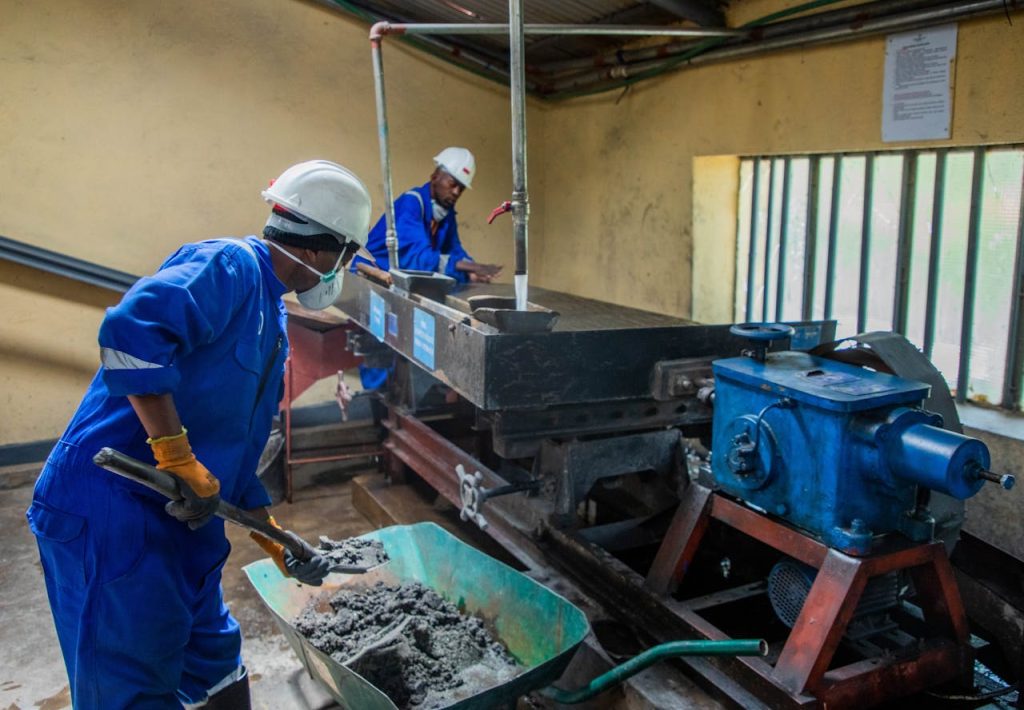
While Guinea holds the world’s largest reserves of high-grade bauxite and iron ore, the government has instituted strict mandates requiring local transformation. Raw extraction is no longer enough; corporations must process minerals domestically. Italian manufacturers specializing in heavy industrial machinery, crushing equipment, and automated sorting lines have a wide-open market. By integrating advanced technology into the Mining Opportunities in Guinea corridor, Italian firms can supply the vital hardware driving new alumina refineries and smelting plants.
Precision Tools for the Construction Boom
The completion of the 670 km Trans-Guinean railway has sparked an unprecedented construction boom across the nation. There is a massive domestic deficit in high-standard building materials, local steel fabrication, and marble cutting. Italian manufacturers can establish local casting, molding, and specialized fabrication shops to feed the massive Infrastructure Development Guinea pipeline, completely avoiding the high costs of finished imports.
2. Food and Beverage Processing: Capitalizing on Agribusiness
Guinea is historically recognized as the “Water Tower of West Africa” due to its dense network of over 1,300 rivers and high annual rainfall. However, the true wealth lies in transforming its agricultural yields into shelf-ready retail goods.
Italian Packaging and Canning Excellence
Guinea produces exceptional volumes of tropical fruits, cashews, groundnuts, and fresh seafood. Yet, a large percentage of this yield is lost post-harvest due to a lack of local preservation facilities. Italy’s world-class food processing and packaging machinery industry is uniquely positioned to fill this gap. By deploying automated canning, drying, and vacuum-packing assembly lines, Italian firms can transform raw crops into premium commodities suitable for local consumption or global export.
Setting Up Advanced Nut Processing Units
A prime example of a high-margin venture is the establishment of integrated Nut Processing Units. Rather than shipping raw cashews to distant markets for processing, Italian operators can setup processing facilities directly at the source. These value-added finished goods are highly competitive, meeting the global packaging standards regulated by the International Organization for Standardization (ISO) and opening seamless export channels to European supermarkets.
3. Light Manufacturing and Textile Assembly Hubs
With the implementation of the African Continental Free Trade Area (AfCFTA), manufacturing in Guinea provides tariff-free access to a massive market of 1.3 billion consumers across 54 African nations.
Fast Moving Consumer Goods (FMCG) and Plastics
As the middle class across West Africa expands, the demand for daily household goods, processed consumer liquids, and synthetic packaging has grown exponentially. Italian plastic molding and light chemical firms can set up localized assembly plants in Guinea’s newly designed Special Economic Zones (SEZs). These zones provide “plug-and-play” industrial infrastructure, including stable power lines and fiber-optic connectivity.
The Footwear and Leather Synergies
Italy’s global dominance in leather craftsmanship can be strategically integrated with Guinea’s growing livestock and raw hide production. By establishing localized tanneries and light footwear or textile assembly plants, Italian fashion and utility manufacturers can leverage competitive local operational costs while utilizing Big Data Analytics to track regional supply and consumer demand trends.
4. Operational Infrastructures: Smart Factories and Digital Grids
Modern manufacturing requires deep technical connectivity. Guinea’s massive expansion of its 12,000 km national fiber-optic backbone has made digital manufacturing a reality.
IoT and Automation in Guinean Factories
Italian firms looking at Italian manufacturing opportunities in Guinea can deploy modern smart-factory models. By integrating IoT Guinea sensors into assembly lines, operators can monitor machinery health, prevent unexpected downtime, and manage raw inventory seamlessly from an automated dashboard, whether their management team is stationed in Conakry, Milan, or Rome.
Off-Grid Industrial Power Solutions
To ensure uninterrupted 24/7 assembly lines outside the major urban centers, manufacturers are increasingly adopting decentralized energy solutions. Italian energy tech providers can capitalize on this by deploying hybrid Microgrid Systems that combine industrial solar panels with intelligent battery storage, offering factories total energy sovereignty and lower carbon emissions.
5. The 2026 Legal Framework: Navigating OHADA Laws
A major structural assurance for Italian corporate teams expanding into West Africa is the transparency and safety of Guinea’s legal environment.
Predictable Commercial Regulations
Guinea operates under the OHADA Law framework, a highly standardized commercial legal code implemented across 17 African nations. This civil law system offers exceptional predictability, ensuring that commercial asset purchases, corporate partnerships, long-term land concessions, and IP protections are legally secure and fully recognized by international commercial arbitration courts.
Exclusive Incentives Under the Investment Code
The updated 2026 Guinean Investment Code offers extensive benefits tailored specifically for industrial developers setup via the Agency for the Promotion of Private Investments (APIP):
- Tax Holidays: Complete exemptions from corporate income tax for a duration of 8 to 10 years for manufacturing units established outside the capital city.
- Customs Exceptions: 0% import duties on all specialized machinery, construction materials, and manufacturing equipment during the industrial setup phase.
- Capital Protection: Full legal rights for international corporations to repatriate profits, company dividends, and operational capital in foreign currency back to Italy.
Frequently Asked Questions (FAQ)
- Can Italian entities maintain 100% ownership of a manufacturing factory in Guinea?
Yes. Under the OHADA legal framework and Guinea’s open investment laws, international foreign investors are legally permitted to own and operate 100% of their corporate subsidiaries (SARL or SA) without requiring a mandatory local partner.
- What are the main logistical routes for exporting finished goods from Guinea?
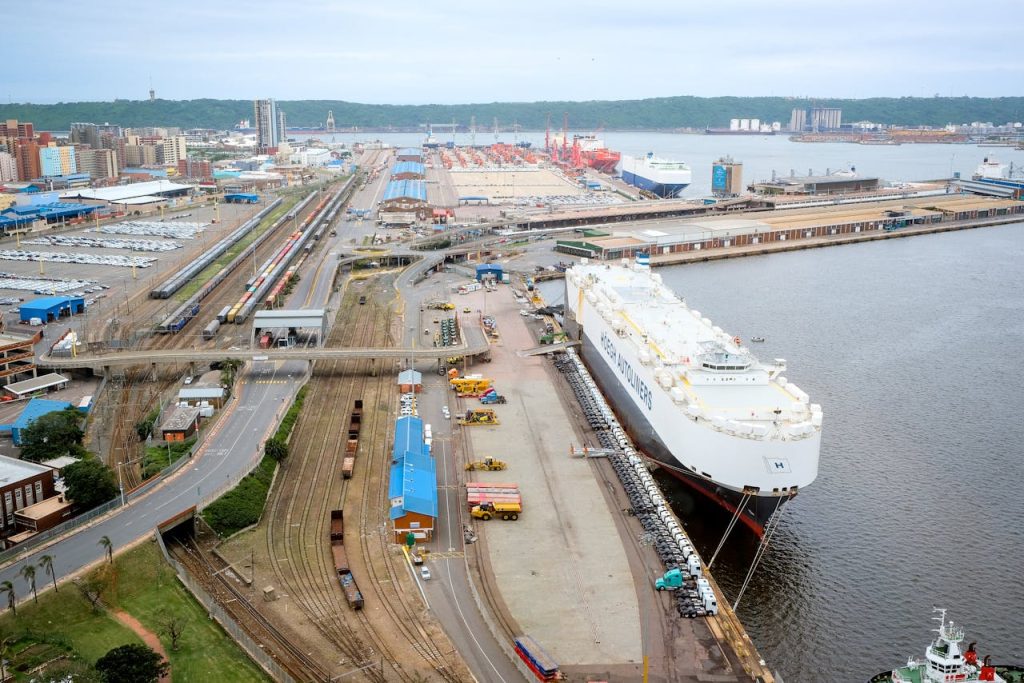
Guinea features newly modernized deep-water maritime ports in Conakry and Kamsar, offering direct shipping lines to the Mediterranean and major European markets. Additionally, air cargo facilities are fully operational at the Conakry International Airport.
- How can manufacturers ensure their products meet international quality standards?
At Yes! Invest Guinea, we connect your engineering teams with trusted quality control bureaus, certification centers, and local laboratories to ensure your processing operations comply strictly with global HACCP and ISO certifications.
- What are the tax rates for manufacturing companies once the fiscal holidays expire?
The standard corporate tax rate in Guinea is 25%. However, companies operating within designated Special Economic Zones (SEZs) or contributing significantly to national green energy often qualify for permanent preferential tax structures.
- How does Yes! Invest Guinea assist Italian manufacturing firms?
We act as your institutional concierge, managing Legal and Regulatory Compliance, securing commercial land plots in industrial zones, navigating bureaucratic processes, and managing local International Recruitment for skilled technical staff.
Conclusion: Capitalizing on the Italian-Guinean Industrial Corridor
The window of opportunity to tap into Italian manufacturing opportunities in Guinea is wide open in 2026. By combining Italy’s high-precision engineering and food-processing dominance with Guinea’s immense natural wealth, competitive labor market, and strategic trade access, forward-thinking manufacturers can build an unshakeable industrial presence in West Africa.
Scale Your Industrial Output with Yes! Invest Guinea
At Yes! Invest Guinea, we provide the critical data, local networks, and administrative safety rails needed to turn your blueprint into an operational factory.