The economic corridor between the Republic of India and Guinea is entering a golden era of expansion. In 2026, global supply chain diversification has driven South-South cooperation to new heights, positioning India-Guinea trade as a vital pillar for both nations’ long-term strategic goals. India, with its rapidly growing economy, massive industrial demand, and burgeoning population, requires secure access to premium raw materials and food sources. Conversely, Guinea, positioned as West Africa’s premier growth hub, offers unparalleled mineral wealth and untapped fertile land, backed by an increasingly attractive investment climate.
At Yes! Invest Guinea, we are witnessing an unprecedented wave of interest from Indian conglomerates, public sector undertakings (PSUs), and private agribusiness developers. This comprehensive guide details the key opportunities transforming bilateral trade in the mining and agricultural sectors, providing international stakeholders with a clear blueprint for high-yield market entry.
1. The Mining Sector: Feeding India’s Industrial Engine
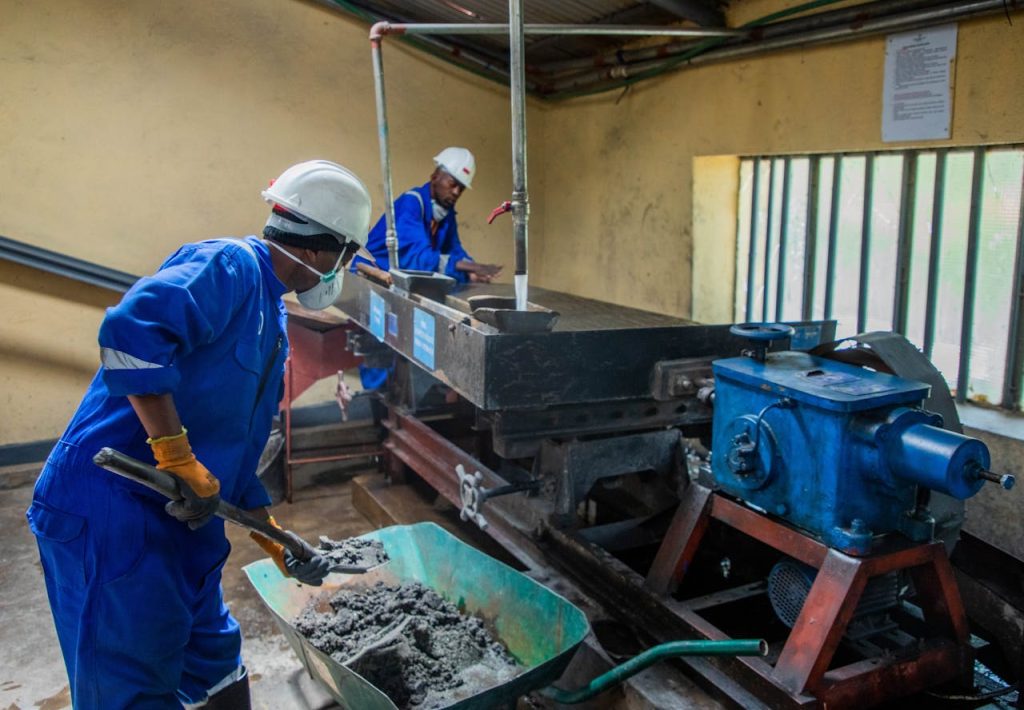
India’s massive infrastructure push and commitment to manufacturing growth require immense volumes of industrial minerals. Guinea’s extraordinary geological wealth makes it the perfect long-term partner to satisfy this demand.
Bauxite and the Aluminum Supply Chain
Guinea possesses the world’s largest reserves of bauxite, estimated at over 40 billion tonnes. As India scales up its automotive, aerospace, and construction manufacturing under industrial initiatives, securing high-grade bauxite is a strategic priority.
In 2026, the trend in India-Guinea trade has moved from raw ore shipping toward domestic value addition. The Guinean government now offers significant fiscal incentives for Indian industrial giants who establish alumina refineries locally. This mid-stream transformation significantly cuts logistics costs and maximizes profit margins for exporters looking to feed India’s domestic smelters.
Iron Ore and the Green Steel Revolution
The world-renowned Simandou iron ore project is now a operational reality, unlocked by the completion of the 670 km Trans-Guinean railway corridor. This multi-user rail spine allows high-grade iron ore to move cost-effectively from the interior to deep-water ports. For Indian steel manufacturers, Guinea’s high-purity iron ore is an essential feedstock for producing “Green Steel,” allowing companies to meet global decarbonization standards while expanding production capacity.
Critical and Precious Minerals
Beyond bauxite and iron, Guinea’s Birimian gold belts offer lucrative prospects for Indian gold trading houses and mining firms. Furthermore, tech-driven exploration is opening doors for critical minerals like Antimony and Bismuth, which are vital for India’s expanding electronics and electric vehicle (EV) ecosystems. Investing in these sectors is heavily protected by Guinea’s transparent mineral licensing and digital cadastre system.
2. Agriculture and Agribusiness: Securing India’s Food Supply
With over 6 million hectares of arable land and an exceptional hydrological network that has earned it the title “Water Tower of West Africa,” Guinea offers boundless potential for agricultural cooperation.
Expanding Nut and Cashew Processing Units
India is traditionally one of the world’s largest importers and processors of raw cashew nuts. However, setting up operations directly at the source is the key to supply chain resilience in 2026. By investing in modern Nut Processing Units within Guinea, Indian enterprises can process fresh cashews locally and export value-added products directly to global markets duty-free, leveraging Guinea’s preferential trade agreements with Europe and the Americas.
Commercial Farming and Technology Transfer
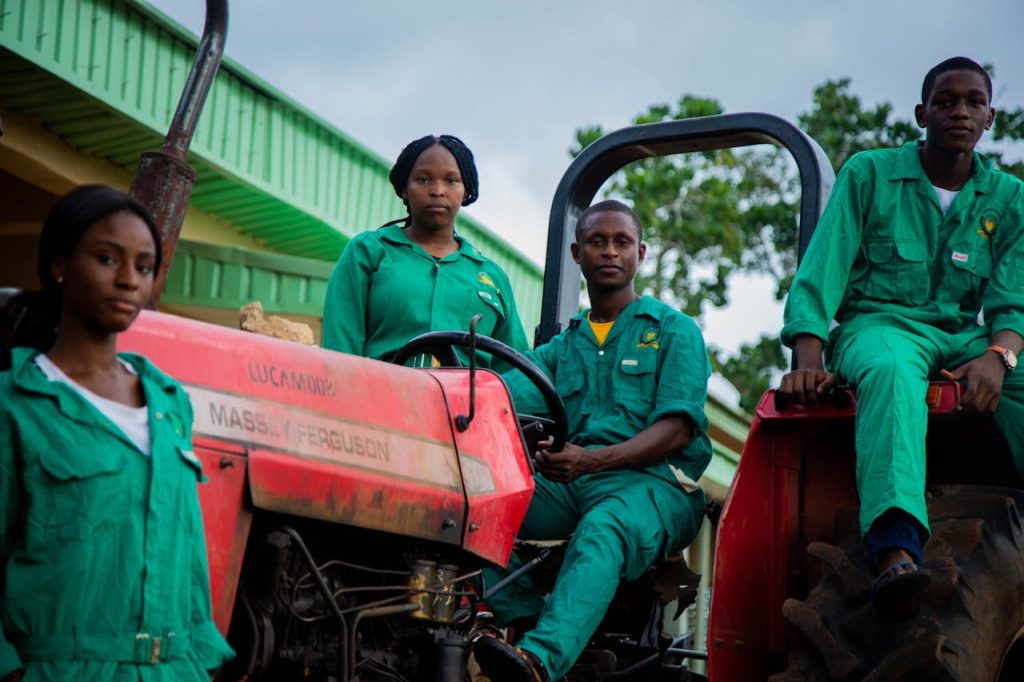
Guinea’s diverse micro-climates are highly suitable for high-yield crops like rice, maize, and pulses commodities that face constant demand spikes in India. Indian agribusiness groups are successfully securing long-term land concessions to develop large-scale mechanized farms. This trend is accompanied by an invaluable transfer of agricultural technology, including precision irrigation systems and AgTech tools powered by Big Data Analytics to optimize crop yields.
Sustainable Aquaculture and Fisheries
Guinea’s nutrient-rich 320 km Atlantic coastline provides an exceptional landscape for the commercial protein market. Indian seafood processing companies can establish modern freezing, packaging, and canning infrastructure to serve the West African consumer market or export premium seafood globally via the AfCFTA (African Continental Free Trade Area) framework.
3. Infrastructure, Logistics, and Digital Integration
Successful international trade relies heavily on physical connectivity and modern digital administration. Guinea’s current infrastructure boom has effectively lowered market entry barriers.
Multi-User Logistics Networks
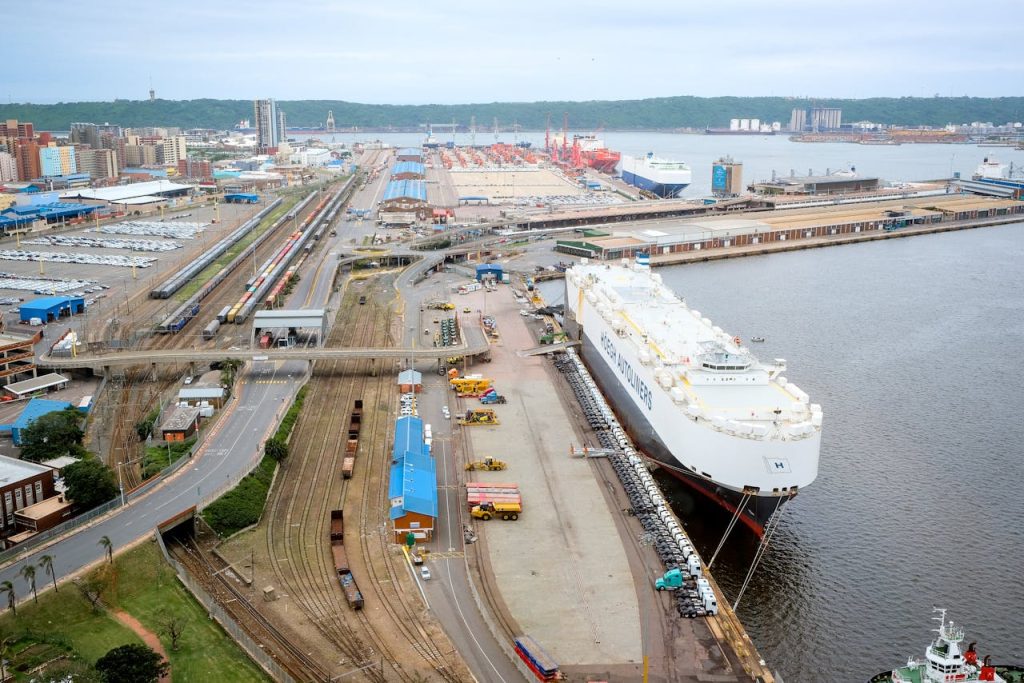
The Trans-Guinean infrastructure spine is a multi-user transport network. Indian exporters can utilize these new rail lines and deep-water ports to move heavy agricultural and industrial commodities out of the interior swiftly. This breakthrough drastically reduces transit times, making India-Guinea trade highly competitive compared to traditional logistics routes.
Smart Grids and Renewable Energy Integration
To power new factories, refineries, and processing plants, Guinea is heavily prioritizing renewable energy. Indian engineering, procurement, and construction (EPC) companies are actively participating in building decentralized Microgrid Systems and solar-hydro hybrid projects. These smart grids utilize IoT Guinea applications for real-time load management, ensuring stable, uninterrupted power for new industrial zones.
4. Legal Security: Navigating OHADA Regulations
A primary assurance for Indian corporations expanding into West Africa is the transparency of Guinea’s corporate legal environment.
Standardized Business Law
Guinea operates under the OHADA Law framework, a standardized commercial legal code utilized across 17 West and Central African nations. This legal system provides Indian corporations with exceptional predictability, ensuring that commercial contracts, land leases, and asset ownership are protected by international commercial law and enforceable through international arbitration standards.
Aggressive Fiscal Incentives
Under the updated 2026 Investment Code, Indian businesses establishing manufacturing or agribusiness operations can benefit from:
- Tax Holidays: Corporate income tax exemptions ranging from 8 to 10 years for projects outside Conakry.
- Customs Exemptions: 0% import duties and VAT on specialized machinery and industrial equipment during the construction phase.
- Capital Freedom: Full rights for foreign companies to repatriate profits, dividends, and capital back to India in foreign currency.
5. Frequently Asked Questions (FAQ)
- Can Indian investors own 100% of a business entity in Guinea?
Yes. Under OHADA and Guinean investment laws, foreign investors can maintain 100% ownership of limited liability companies (SARL) and joint-stock corporations (SA) across most industrial, technological, and agricultural sectors.
- What trade agreements protect Indian exports from Guinea?
Guinea is a beneficiary of the Everything But Arms (EBA) initiative with the European Union and the AGOA framework with the United States, allowing manufactured goods from Guinea tariff-free access to Western consumer markets.
- How is the business registration process for foreign entities?
The Agency for the Promotion of Private Investments (APIP) acts as a streamlined “One-Stop Shop.” With all documents ready, company registration, tax ID assignment, and commercial registry can be finalized in less than 72 hours.
- Are there specific incentives for Indian AgTech and tech startups?
Yes. The “Innovative Tech” provisions of the Investment Code offer tax credits, R&D support, and streamlined Innovative Tech licensing for companies introducing smart farming, e-learning, or Fintech solutions.
- How does Yes! Invest Guinea assist Indian corporate groups?
We act as your institutional concierge, managing Legal and Regulatory Compliance, helping secure mineral concessions or agricultural land, and facilitating local International Recruitment for specialized technical teams.
Conclusion: Capitalizing on South-South Synergies
The strategic convergence of India’s economic momentum and Guinea’s resource abundance makes 2026 the optimal year to secure your stake in West Africa. By moving beyond traditional trade models and investing heavily in local processing, modern technology, and sustainable value chains, Indian businesses can establish a resilient, high-margin foothold that bridges Asian demand with African opportunity.
Begin Your Market Entry with Yes! Invest Guinea
At Yes! Invest Guinea, our localized expertise and deep institutional network ensure your corporate setup is fluid, legally secure, and primed for immediate growth.
Contact our Bilateral Trade Desk today to receive the 2026 India-Guinea Investment Outlook.