The global agricultural landscape is witnessing a fascinating convergence between two tropical powerhouses. In 2026, the Republic of Guinea emerged as a primary destination for South American capital, specifically through Brazilian Investment Trends in Guinea’s agricultural corridor. This synergy is not accidental; both nations share similar climatic conditions, vast arable land, and a mutual interest in securing global food supply chains. For Brazilian investors, Guinea offers a strategic “mirror” of their own successful agribusiness model but with the added advantage of proximity to European and Middle Eastern markets.
At Yes! Invest Guinea, we are facilitating a new era of South-South cooperation. Brazilian expertise in large-scale mechanized farming, combined with Guinea’s fertile soil and abundant water resources, is creating a high-yield environment for international agribusiness. This article explores the specific trends driving this investment wave and the opportunities awaiting those who bridge the Atlantic.
1. The Strategic Mirror: Why Brazilian Expertise Fits Guinea
The primary driver behind recent Brazilian Investment Trends in Guinea’s soil is the biological and climatic similarity between the two regions.
Tropical Farming Synergy
Brazilian farmers are world masters in managing tropical soils. The techniques developed in the Brazilian Cerrado such as soil acidity management and zero-tillage farming are directly applicable to the Guinean savannah and plateaus. This “technology transfer” allows Brazilian firms to bypass the learning curve that many European or Asian investors face, making their entry into the Guinean market significantly more efficient.
Bridging the Mano River and the Amazon
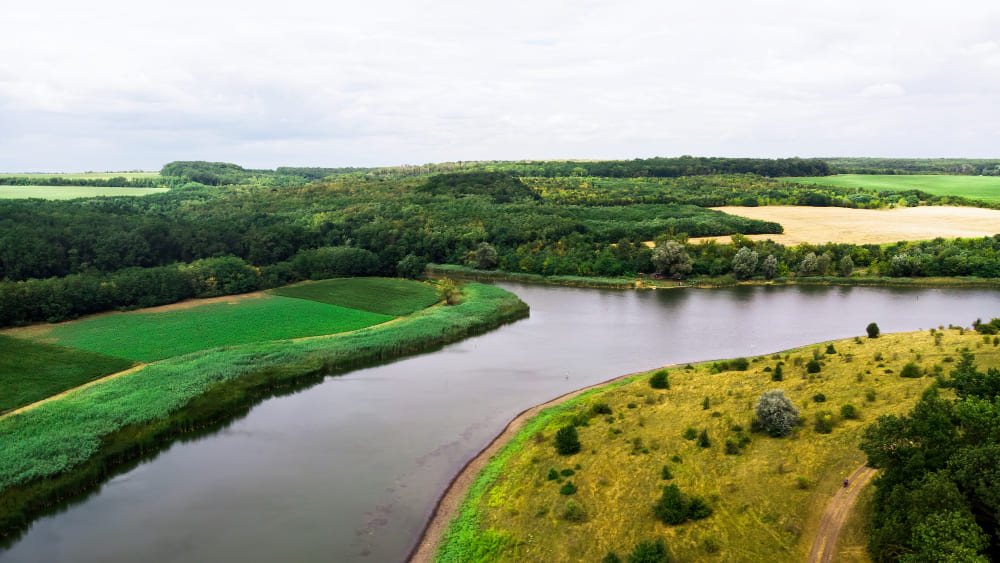
Both regions benefit from high rainfall and consistent tropical heat. As Brazil faces increasing land costs and environmental regulations, the untapped 6 million hectares of arable land in Guinea provide a scalable alternative. Brazilian investment groups are increasingly securing long-term concessions for grains and oilseeds, leveraging their existing global export networks.
2. Key Commodities Driving the Brazilian Wave
Brazilian investors are focusing on sectors where they hold a global competitive edge: grains, sugar, and livestock.
Soy and Maize Production
Leveraging the Agriculture and Agribusiness framework in Guinea, Brazilian firms are establishing large-scale plantations for soy and maize. These crops are essential for the regional West African poultry and livestock industry. By producing these grains locally, investors are replacing expensive imports and securing a dominant market position within the AfCFTA (African Continental Free Trade Area).
The Sugar and Biofuel Potential
Guinea’s coastal regions and river basins offer ideal conditions for sugarcane. Brazilian investors, global leaders in sugar and ethanol technology, are exploring integrated projects that combine sugar production with renewable energy through Microgrid Systems. This dual-revenue model exporting sugar while providing green energy to the grid is a major trend for 2026.
3. Technology Transfer: The Rise of Smart Farming
Brazilian investment is not just about capital; it is about the “AgTech” revolution.
Mechanization and Irrigation
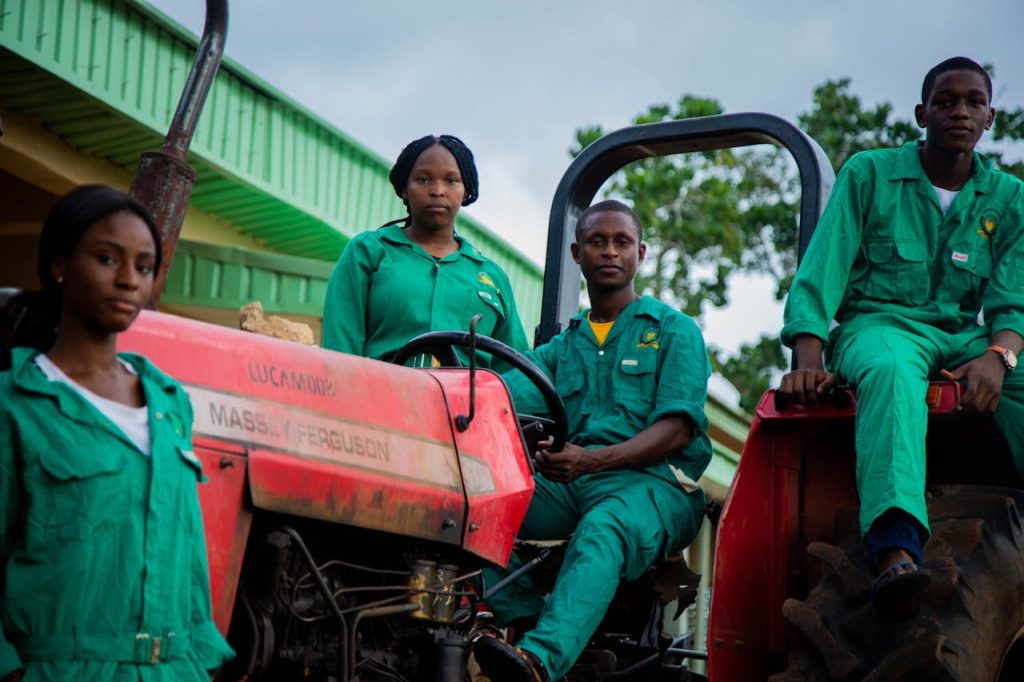
A significant part of the Brazilian Investment Trends in Guinea’s sector includes the importation of Brazilian-made machinery. Companies like EMBRAPA (Brazilian Agricultural Research Corporation) have historically collaborated on tropical research, and now private firms are deploying precision irrigation and GPS-guided tractors across Guinean fields.
IoT and Data-Driven Agribusiness
To manage vast territories, Brazilian investors are utilizing IoT Guinea sensors and Big Data Analytics. These tools allow for real-time monitoring of soil moisture and crop health from headquarters in São Paulo or Brasília, ensuring that Guinean operations meet international yield standards.
4. The 2026 Investment Climate: Legal and Fiscal Security
Guinea has modernized its regulatory landscape to ensure that South-South investments are protected under international standards.
OHADA Legal Framework
Guinea’s adherence to OHADA Law provides Brazilian investors with a familiar and stable legal environment. This standardized commercial code ensures that land leases, equipment ownership, and corporate contracts are enforceable and protected by international arbitration.
Incentives for Agro-Processing
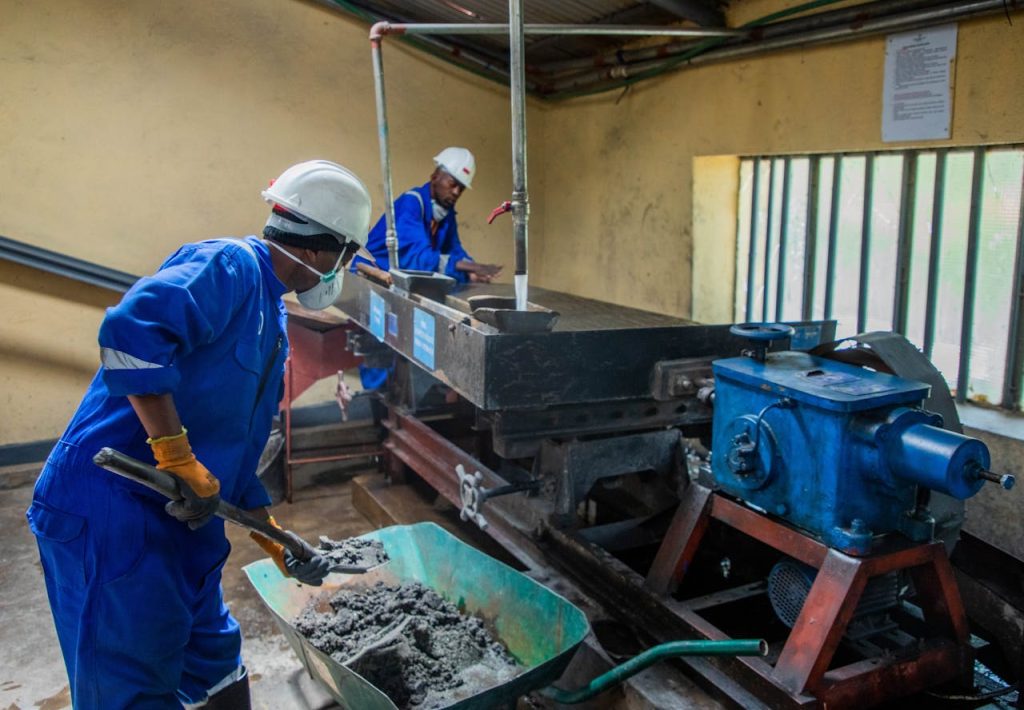
The 2026 Investment Code heavily rewards “Hilirisasi” or downstream processing. Brazilian firms that establish Nut Processing Units or fruit canning facilities in Guinea benefit from:
- Tax Holidays: Up to 10 years of corporate tax exemptions for agricultural industrialization.
- Customs Duty Waivers: 0% duties on imported Brazilian farming technology and machinery.
- Profit Repatriation: Guaranteed rights to transfer dividends back to Brazil in foreign currency.
5. Frequently Asked Questions (FAQ)
- Why is Brazil focusing specifically on Guinea’s agriculture?
The climatic and soil similarities mean Brazilian farming techniques are highly effective in Guinea. Additionally, Guinea’s location provides shorter shipping routes to Europe compared to South America.
- Can Brazilian investors own land in Guinea?
Foreign investors can secure long-term commercial leases (Emphyteutic leases) for up to 99 years, providing the security needed for large-scale agricultural projects.
- What are the logistical advantages of farming in Guinea?
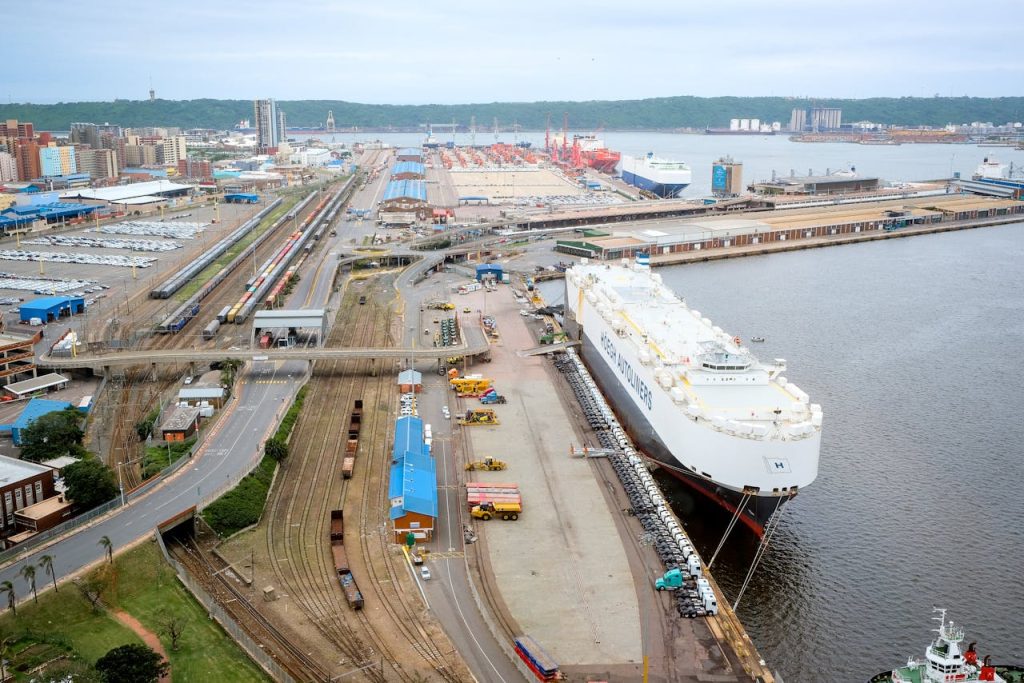
Guinea’s modernized ports and the new Trans-Guinean railway make it easier to transport bulk commodities like grain and sugar to global markets than many landlocked African nations.
- How does the government handle environmental sustainability?
Guinea follows strict ESG protocols. All agricultural projects must undergo an Environmental and Social Impact Assessment (ESIA) to ensure long-term soil health and community benefit.
- How can Yes! Invest Guinea assist Brazilian agribusiness firms?
We provide “Institutional Concierge” services, including land acquisition, Legal and Regulatory Compliance guidance, and connecting investors with local labor through International Recruitment.
Conclusion: The Atlantic Agribusiness Bridge
The Brazilian Investment Trends in Guinea’s agriculture sector represent a strategic evolution in global trade. By combining the world-renowned expertise of Brazilian farmers with the untapped natural wealth of Guinea, a new powerhouse is being born. For the investor, this is more than just a farm; it is a stake in the future of global food security.
At Yes! Invest Guinea, we are ready to help you navigate this high-growth landscape. The bridge across the Atlantic has never been shorter.
Contact our Agribusiness Desk today to explore current land concessions and partnership models.