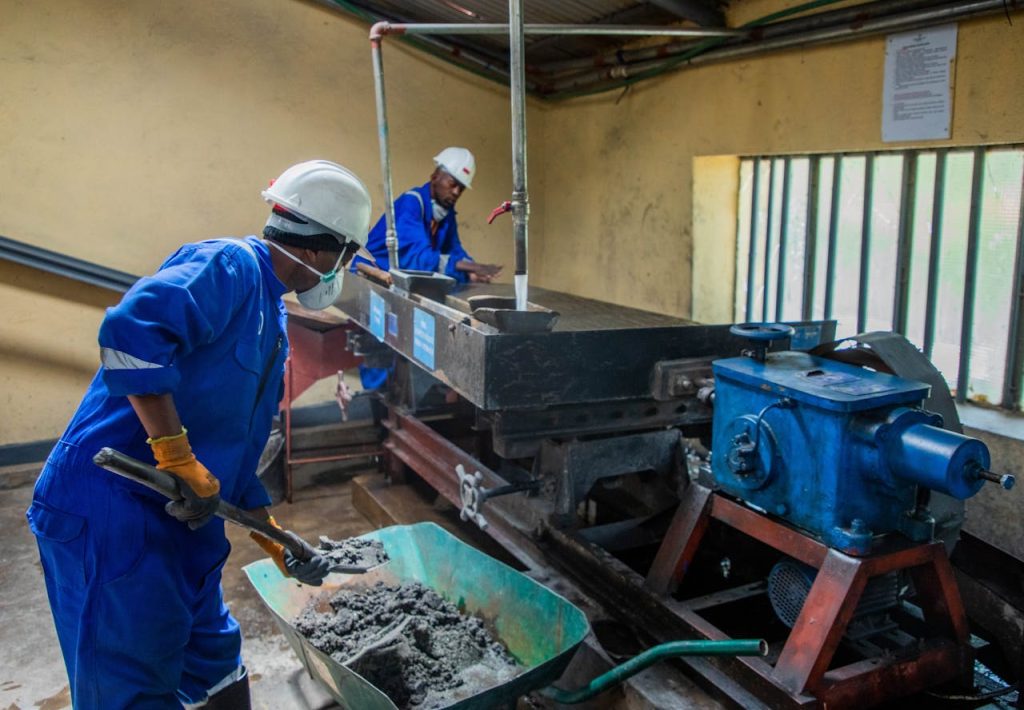
The Republic of Guinea is currently witnessing an unprecedented economic surge. Driven by massive infrastructure projects like Simandou and a strategic shift toward industrial diversification, the nation has become a magnet for international capital. However, for many entrepreneurs, the question remains: How to start a business in Guinea efficiently and legally?
In 2026, the process of company registration and market entry has been significantly streamlined. Thanks to the “Digital Guinea” initiative and a modernized Investment Code, foreign investors can now establish a corporate presence with more transparency and speed than ever before. At Yes! Invest Guinea, we act as your strategic partner to navigate this high-growth landscape. This guide provides a step-by-step roadmap to successfully launching your enterprise in West Africa’s new economic frontier.
1. Understanding the Legal Framework: The OHADA Advantage
The first thing every foreign investor must know is that Guinea is a member of OHADA (Organization for the Harmonization of Business Law in Africa). This is a critical advantage because it provides a standardized, internationally recognized legal environment for business.
Choosing the Right Legal Entity
Under OHADA law, the most common structures for foreign investors are:
- SARL (Société à Responsabilité Limitée): Similar to an LLC, this is ideal for small to medium enterprises. It requires a minimum capital but offers flexible management.
- SA (Société Anonyme): Suitable for large-scale projects, such as those in Mining Opportunities in Guinea, requiring a board of directors and higher minimum capital.
- Branch Office (Succursale): Perfect for multinational firms looking to test the market or execute specific contracts without forming a separate legal entity.
The Role of APIP
The Agency for the Promotion of Private Investments (APIP) is the “One-Stop Shop” for all business registrations. In 2026, APIP has digitized its services, allowing for the issuance of a RCCM (Commercial Register) and NIF (Tax ID) in record time often within 72 hours if all documentation is correct.
2. Step-by-Step Business Setup Process
Starting a business in Guinea follows a logical administrative flow. Following these steps correctly ensures that you can benefit from the 2026 Investment Code incentives.
Step 1: Document Preparation and Notarization
You will need to draft your company’s Articles of Association (Statutes). For foreign investors, these documents must be notarized. At this stage, working with Financial and Administrative Services experts is vital to ensure your corporate purpose (Objet Social) is broad enough to cover your future expansion.
Step 2: Capital Deposit
The initial share capital must be deposited into a blocked bank account in a local Guinean bank. Once the company is registered, this account is unblocked, and the funds become your working capital.
Step 3: Registration at APIP
Submit your dossier to APIP. This single submission handles your registration for:
- The Commercial Registry (RCCM).
- The Tax Authority (NIF).
- The Social Security Office (CNPS).
- The Labor Office (AGUIPE).
3. Strategic Sectors for Market Entry in 2026
To start a business in Guinea successfully, it is important to align your venture with the government’s priority growth sectors.
Agribusiness and Agro-Processing
Guinea’s 6 million hectares of arable land are ripe for investment. Foreigners are increasingly moving into Agro-Processing, setting up Nut Processing Units to process raw cashews for export. The 2026 Investment Code offers up to 10 years of tax holidays for agricultural projects located outside Conakry.
Technology and Digital Services
With the expansion of the 12,000 km fiber-optic backbone, there is a massive demand for EdTech Solutions and Fintech platforms. The “Innovative Tech” sector is one of the fastest routes to market for lean startups.
Industrial Infrastructure
As the Simandou project matures, the demand for Industrial Parks and Warehousing is at an all-time high. Developers who can provide “plug-and-play” logistics spaces for multinational contractors are seeing exceptional returns.
4. Incentives and Protections for Foreign Investors
Guinea’s 2026 Investment Code is one of the most competitive in West Africa, designed specifically to attract and retain foreign direct investment (FDI).
- Customs Exemptions: 100% duty-free importation of equipment and machinery during the project’s installation phase.
- VAT Holidays: Significant exemptions for companies contributing to the Infrastructure Development Guinea pipeline.
- Profit Repatriation: Under OHADA and Guinean law, foreign investors have the guaranteed right to transfer dividends and capital back to their home countries in foreign currency.
- Labor Support: Access to International Recruitment permits to bring in specialized technical experts while training local talent.
5. Frequently Asked Questions (FAQ)
- Can a foreigner own 100% of a company in Guinea?
Yes. Unlike some neighboring countries, Guinea allows 100% foreign ownership in most sectors, including services, technology, and manufacturing.
- How long does it take to register a business?
With all documents ready, the APIP “one-stop shop” can process your registration and tax ID in approximately 3 to 5 business days.
- Do I need a local partner to start a business in Guinea?
For most sectors, a local partner is not a legal requirement. However, for certain strategic mining or security concessions, specific local content regulations may apply.
- What are the main taxes I should be aware of?
The standard corporate tax rate is 25%, but many new investors qualify for tax holidays ranging from 3 to 10 years under the Investment Code incentives.
- How can Yes! Invest Guinea help me?
We provide “Institutional Concierge” services, including market entry strategy, land acquisition, Legal and Regulatory Compliance guidance, and administrative liaison.
Conclusion: Seizing the Guinean Opportunity
There has never been a better time to start a business in Guinea. The combination of the OHADA legal framework, massive infrastructure improvements, and aggressive tax incentives has created a “perfect storm” for entrepreneurial success. Whether you are launching a tech startup in Conakry or a large-scale agribusiness in the interior, the path to growth is clear.
At Yes! Invest Guinea, we don’t just provide a guide; we provide the local intelligence and institutional access you need to thrive. The future of West African business is being built in Guinea make sure your company is part of it.
Contact our Market Entry Team today to begin your registration process in Guinea.