The global industrial demand for natural rubber continues to surge, driven by the rapid expansion of the automotive sector, medical manufacturing, and aerospace engineering. Amidst this growth, the Republic of Guinea is emerging as a premier destination for high-yield Rubber Plantation Guinea investments. With its vast tracts of arable land, ideal tropical climate, and strategic proximity to major European and North American markets, Guinea offers a unique “Blue Ocean” opportunity for agribusiness investors in 2026.
While neighboring nations have reached peak land utilization, Guinea remains a frontier of untapped potential. The government’s current shift toward export-focused agriculture has created a highly favorable ecosystem for international capital. This article provides a comprehensive analysis of the rubber sector in Guinea, exploring the biological advantages, the economic roadmap for investors, and the strategic importance of natural rubber in the global supply chain.
The Strategic Importance of Natural Rubber in 2026
In an era of increasing environmental scrutiny, natural rubber (Hevea brasiliensis) remains irreplaceable. Unlike synthetic alternatives derived from petroleum, natural rubber offers superior elasticity, heat resistance, and durability qualities essential for high-performance tires and industrial components.
1. The Global Supply Gap
As traditional producers in Southeast Asia face challenges ranging from aging tree stocks to rising labor costs, the global supply chain is looking toward West Africa to fill the gap. Guinea, with its youthful workforce and available land, is perfectly positioned to become a regional leader in rubber production. According to the International Rubber Study Group (IRSG), the world will require a significantly more diversified supply base to maintain price stability over the next decade.
2. Guinea’s Competitive Geographic Edge
Guinea’s “Maritime” and “Forest” regions possess the high humidity and consistent rainfall patterns required for optimal latex yields. Furthermore, Guinea’s Atlantic ports provide a shorter maritime route to the West compared to Asian competitors, significantly reducing shipping costs and carbon footprints for global manufacturers.
Key Opportunities in Rubber Plantation Investments
Investing in the Guinean rubber sector is not merely about planting trees; it is about building an integrated industrial value chain.
1. Large-Scale Plantation Development
The primary opportunity lies in the establishment of commercial-scale plantations. Using high-yield clones developed for the West African climate, investors can achieve latex production levels that rival the best estates in the world.
- Land Availability: The government has identified specific agricultural corridors suitable for long-term leases, ensuring that investors have the scale necessary for industrial efficiency.
- Intercropping Potential: During the initial growth years (immaturity period), rubber plantations can be intercropped with short-cycle crops like pineapples or legumes, providing early cash flow before the rubber trees begin their tapping cycle.
2. Midstream Processing Facilities (TSR Plants)
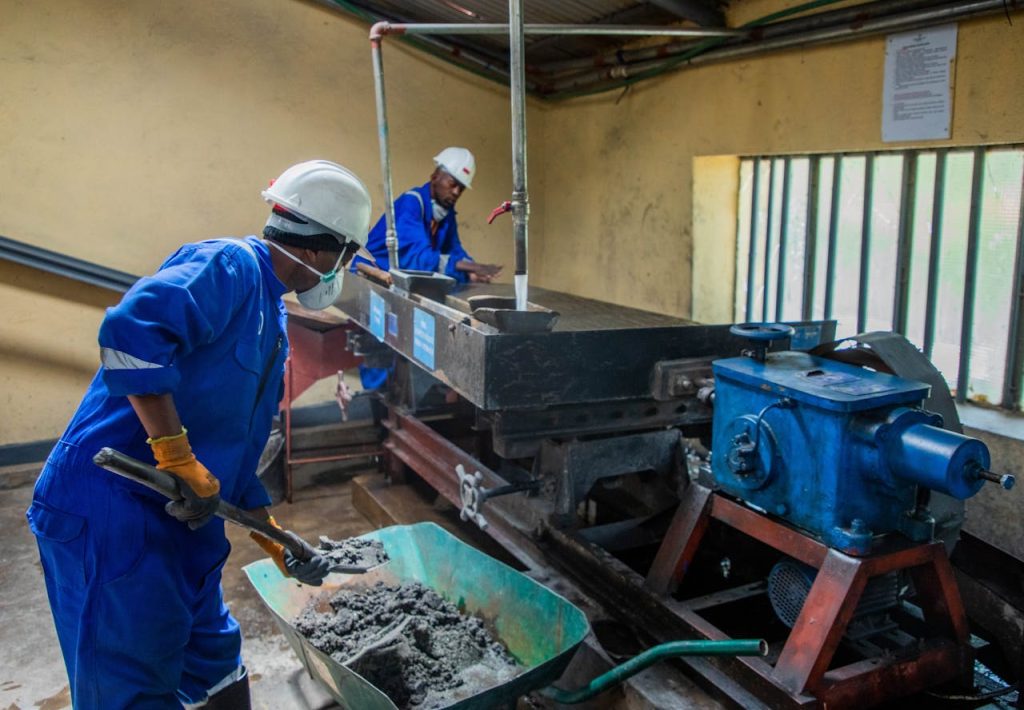
Exporting raw latex is only the beginning. The real value addition lies in the construction of Technically Specified Rubber (TSR) processing plants.
- Value Addition: By processing raw latex into blocks or sheets (SMR/SIR equivalent), investors can sell directly to global tire manufacturers at a significant premium.
- Job Creation: Processing plants serve as industrial hubs, creating skilled employment and strengthening the “Social License to Operate” within local communities.
3. Sustainable and ESG-Certified Rubber
In 2026, the market for “Green Rubber” is booming. Investors who implement sustainable practices such as avoiding deforestation, protecting biodiversity corridors, and ensuring fair labor practices can access the Global Platform for Sustainable Natural Rubber (GPSNR) markets. These certified products often command higher prices and attract ESG-focused institutional investors.
Why Invest in Guinea’s Agribusiness Sector Now?
The Republic of Guinea has modernized its regulatory framework to ensure that Rubber Plantation Investments are secure, profitable, and scalable.
1. Pro-Investment Regulatory Framework
Under the 2026 Investment Code, the agribusiness sector is classified as a “Priority Sector,” granting investors a suite of fiscal benefits:
- Tax Holidays: Up to 10 years of exemption from corporate income tax for projects located in the Forest Region.
- Customs Duty Exemptions: Zero duties on the importation of specialized agricultural machinery, irrigation systems, and processing plant components.
- Ease of Profit Repatriation: Guinea’s membership in international investment treaties ensures that investors can freely repatriate dividends and capital.
2. Legal Security under OHADA
As a member of the OHADA framework, Guinea offers a standardized commercial legal system. This provides a familiar and transparent environment for drafting commercial leases, partnership agreements, and labor contracts, significantly reducing legal risks for international firms.
Roadmap for Successful Market Entry
To maximize ROI and ensure long-term sustainability, investors should follow a structured entry strategy:
- Site Suitability Analysis: Conduct soil and climatic assessments in the Forest Region (Guinée Forestière) to identify the best zones for Hevea cultivation.
- Genetic Selection: Import or locally source high-yield, disease-resistant clones that are optimized for West African soil conditions.
- Community Engagement: Implement “Outgrower Schemes” where the plantation acts as a “nucleus” that provides technical support and a guaranteed market for local smallholder farmers.
- Integrated Processing: Plan for a processing facility from the outset to ensure that the plantation can capture the full value of the rubber price cycle.
FAQ: Rubber Plantation Guinea
- How long does it take for a rubber tree to reach maturity in Guinea?
Typically, rubber trees in Guinea begin their tapping cycle 6 to 7 years after planting. However, with modern clonal selection and precision fertilization, some estates are reaching maturity in just over 5 years.
- What is the typical lifespan of a rubber plantation?
A well-managed rubber plantation remains productive for 25 to 30 years. After this cycle, the old trees can be harvested for rubberwood, which is a valuable byproduct for the furniture and flooring industries.
- Is there a local market for natural rubber in Guinea?
While the primary focus is on Export-Focused Agriculture, the growth of local infrastructure and potential industrial zones in Guinea may create future domestic demand for rubber-based industrial components.
- How does the government protect agricultural land titles?
The Ministry of Agriculture, in coordination with APIP, facilitates secure long-term leases (Emphyteutic leases) that provide legal certainty for 50 years or more, allowing for multi-generational investment planning.
- How can Yes! Invest Guinea assist my agribusiness project?
Yes! Invest Guinea provides end-to-end support, including land identification, environmental due diligence, navigating the APIP “One-Stop Shop” for permits, and connecting you with experienced local agricultural technicians.
Conclusion: Tapping Into the Future
The Republic of Guinea stands at the threshold of an agricultural revolution. Rubber Plantation Investments: Export-Focused Agriculture represent a rare opportunity to enter a high-demand global market from a position of geographic and regulatory advantage. By combining Guinea’s natural abundance with modern industrial techniques, investors can secure a resilient asset that yields both financial returns and positive social impact.
The trees you plant today will be the foundation of a sustainable industrial legacy in the heart of West Africa. In 2026, the smart money is moving toward the “Green Gold” of Guinea.
Secure Your Agribusiness Future with Yes! Invest Guinea
At Yes! Invest Guinea, we are your strategic partner in the agricultural sector. From soil to ship, our team provides the local intelligence and institutional access you need to thrive.
Contact Yes! Invest Guinea today to receive our 2026 Rubber & Agribusiness Investment Briefing.