As the global energy transition accelerates, international investors are increasingly looking toward West Africa as the next frontier for large-scale renewable projects. While the Republic of Guinea has long been celebrated for its immense hydropower and solar potential, a new and powerful resource is beginning to take center stage: Wind. In 2026, Wind Farm Investments Guinea represents a strategic opportunity to diversify the national energy mix and provide stable, clean power to the country’s rapidly expanding industrial corridors.
With an expansive coastline stretching over 300 kilometers and unique topographical features in the highlands, Guinea offers specific “wind corridors” that are ideal for utility-scale turbines. This article explores the emerging landscape of wind energy in Guinea, the technical advantages of its coastal geography, and why 2026 is the pivotal year for renewable energy capital to enter this market.
The Untapped Power of the Guinean Coastline
Guinea’s geographic position provides it with a distinct advantage for wind energy generation. While inland regions are excellent for solar, the coastal areas benefit from consistent maritime breezes and thermal pressure differences.
1. High-Velocity Coastal Wind Corridors
Preliminary meteorological studies have identified several “hotspots” along the Atlantic coast, particularly near the Tristao Islands and the areas surrounding Boffa and Kamsar. These regions experience consistent wind speeds that meet the threshold for commercial viability. By deploying modern offshore or near-shore turbines, investors can tap into a constant energy source that complements the seasonal nature of Guinea’s hydropower.
2. Synergy with Industrial Mining Hubs
The highest potential for wind energy coincides with Guinea’s most active industrial zones. The bauxite and aluminum hubs in Maritime Guinea require massive amounts of baseload power. Integrating wind farms directly into these industrial grids—often referred to as “behind-the-meter” solutions reduces transmission losses and provides mining companies with a path to meet their global carbon-neutrality targets.
Strategic Opportunities for Wind Investors in 2026
The market for Wind Farm Investments in Guinea is maturing, offering several high-value entry points for international engineering and finance firms.
Utility-Scale Onshore Wind Projects
The most immediate opportunity lies in the development of onshore wind farms along the coastal ridges. These projects benefit from easier access to existing port infrastructure for the delivery of heavy turbine components. According to the International Renewable Energy Agency (IRENA), wind energy costs have plummeted globally, making it a highly competitive alternative to thermal power in emerging markets.
Hybrid Wind-Solar Installations
In 2026, the trend in Guinea is moving toward “Hybrid Renewable Hubs.” By co-locating wind turbines with solar PV arrays, developers can ensure a more stable power output. Wind speeds often peak in the evening and during the night when solar production is zero, creating a perfect 24-hour energy cycle that maximizes the utility of the battery storage systems and the grid connection.
Offshore Wind Exploration
While still in the early stages, Guinea’s shallow continental shelf presents long-term potential for offshore wind. As technology advances and costs continue to fall, the “blue economy” of Guinea will likely become a major source of regional energy exports for the West African Power Pool (WAPP).
Why Invest in Guinea’s Wind Sector Now?
The convergence of economic reform and technical necessity has made 2026 the “Goldilocks” period for wind energy investment.
Favorable Regulatory and Tax Frameworks
The Guinean government has updated its Investment Code to include specific incentives for renewable energy infrastructure:
- Customs Duty Exemptions: Zero duties on the importation of turbines, blades, and specialized monitoring equipment.
- Tax Holidays: Significant corporate tax relief for the first 8–10 years of a project’s operational life.
- Land Use Facilitation: Streamlined processes for securing “droit d’occupation” (occupancy rights) for wind corridor sites.
Institutional Support and Security
As a member of the OHADA (Organization for the Harmonization of Business Law in Africa) framework, Guinea offers a predictable legal environment. International investors are further protected by Guinea’s participation in MIGA (Multilateral Investment Guarantee Agency), which provides political risk insurance for large-scale energy infrastructure.
Roadmap for Successful Wind Farm Development
- Meteorological Assessment: Conduct at least 12–24 months of high-fidelity wind measurement using LiDAR and anemometer masts to confirm bankable wind data.
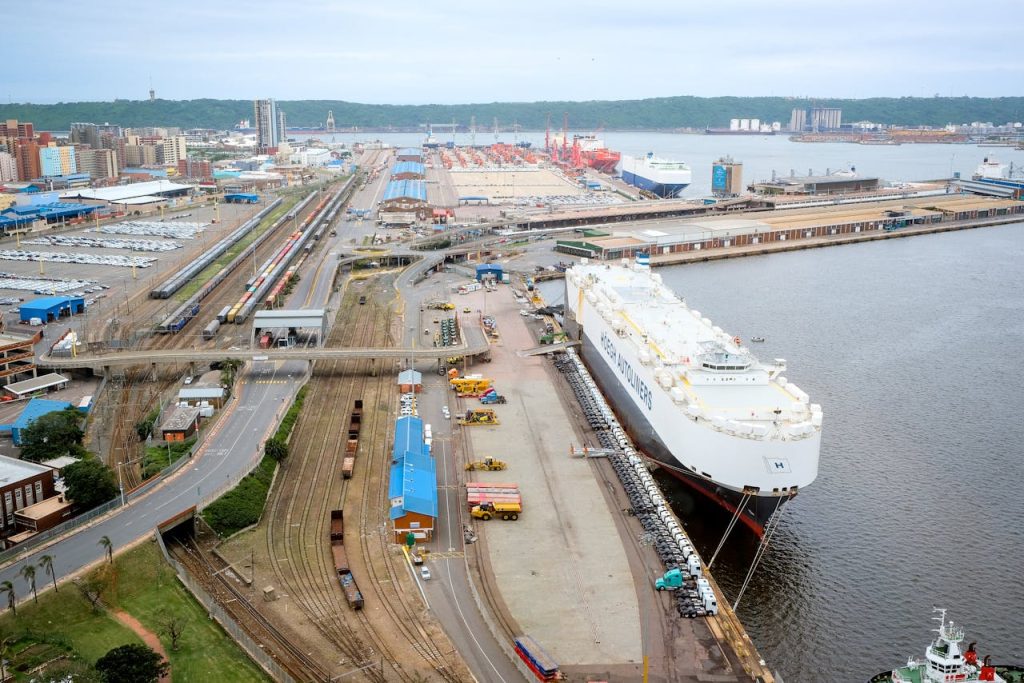
- Infrastructure Logistics: Coordinate with the ports of Kamsar or Conakry for the specialized logistics required to transport large-scale turbine components.
- Environmental and Social Impact Assessment (ESIA): Ensure projects respect local biodiversity, particularly bird migration paths along the coast, and involve local communities in the benefits.
- Partner with Yes! Invest Guinea: Leverage our local expertise to navigate the permitting process and connect with institutional power off-takers.
FAQ: Wind Farm Investments Guinea
- What are the average wind speeds in Guinea’s coastal regions?
While data varies by micro-location, coastal “hotspots” have shown average speeds between 6.5 m/s and 7.5 m/s at hub height, which is suitable for modern class III turbines designed for lower wind regimes.
- Is the Guinean grid ready for variable wind energy?
The government is currently investing in grid stabilization and smart-grid technologies. Hybridizing wind with hydropower or BESS (Battery Energy Storage Systems) is the recommended approach to ensure grid compatibility.
- Are there specific local content requirements for wind projects?
Yes, the government encourages the hiring of local labor for construction and maintenance, and the use of local Guinean firms for civil engineering and site security.
- How does wind energy complement Guinea’s hydropower?
During the dry season, when water levels in dams are low, coastal winds are often at their most consistent. This makes wind an excellent seasonal balancer for the national energy mix.
- How can Yes! Invest Guinea help with site selection?
We provide access to historical meteorological data, land title due diligence, and liaison with the Ministry of Energy to identify pre-vetted zones for renewable development.
Conclusion: Capturing the West African Breeze
Guinea is standing at the threshold of a new energy era. Wind Farm Investments: Guinea’s Coastal Renewable Energy Potential represents a high-yield, sustainable opportunity for investors to lead the transition to a low-carbon future. With its strategic coastal position, supportive regulatory environment, and soaring industrial demand, Guinea is the premier destination for wind energy in West Africa.
The wind is blowing in the direction of progress. The question for global investors is not if Guinea will become a renewable leader, but who will be the first to capture its potential.
Power Your Investment with Yes! Invest Guinea
At Yes! Invest Guinea, we are your strategic partner in the energy sector. From initial feasibility studies to final grid connection, our team provides the institutional access and local knowledge you need to succeed.
Contact Yes! Invest Guinea today to receive our 2026 Renewable Energy Market Report