The global transition toward clean energy and high-tech industrialization has placed critical minerals at the center of the world’s economic stage. While the Republic of Guinea is world-renowned for its bauxite and iron ore, a new star is emerging in its “geological treasure chest”: Manganese. As a vital component in steel production and increasingly in the burgeoning electric vehicle (EV) battery market, Manganese Guinea represents one of the most strategic investment frontiers in West Africa today.
In 2026, the demand for high-purity manganese is soaring. International investors and industrial giants are looking beyond traditional suppliers to diversify their portfolios. This article explores the current landscape of manganese deposits in Guinea, the regulatory incentives for mining, and the strategic advantages of entering this market now.
The Strategic Importance of Manganese in the Green Economy
Manganese is no longer just an additive for the steel industry. Its role in the global “Green Revolution” has transformed its market dynamics.
1. The Power Behind EV Batteries
The shift toward lithium-ion batteries specifically Nickel-Manganese-Cobalt (NMC) chemistries has made manganese a critical mineral for the automotive sector. Guinea’s untapped deposits offer a potential long-term supply for battery manufacturers seeking to reduce their reliance on volatile supply chains.
2. High-Strength Steel and Infrastructure
Manganese remains indispensable for the production of high-strength, low-alloy steel used in modern construction and defense. As global infrastructure projects expand, the demand for Guinean manganese, known for its favorable grade profiles, continues to rise. According to the International Manganese Institute (IMnI), the industrial application of this mineral is set to grow steadily through the end of the decade.
Why Invest in Manganese in Guinea Now?
Guinea offers a unique set of advantages that make its manganese sector particularly attractive to international capital.
Untapped Geological Potential
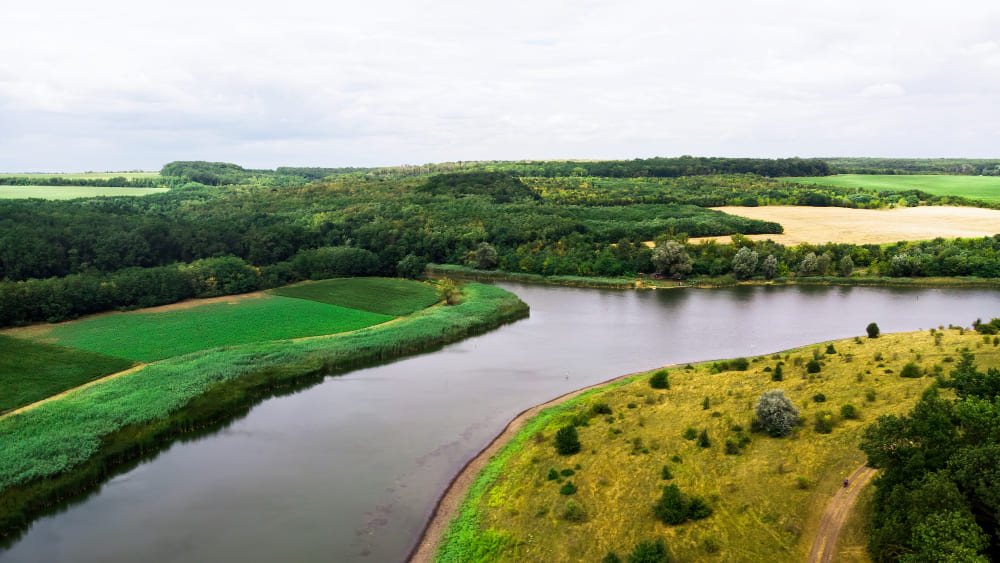
Unlike other regions where manganese mines are reaching maturity, many of Guinea’s deposits remain under-explored or in the early stages of development. Preliminary geological surveys indicate significant high-grade occurrences in several regions, offering “first-mover” advantages to investors who conduct early-stage exploration.
Synergies with Existing Mining Infrastructure
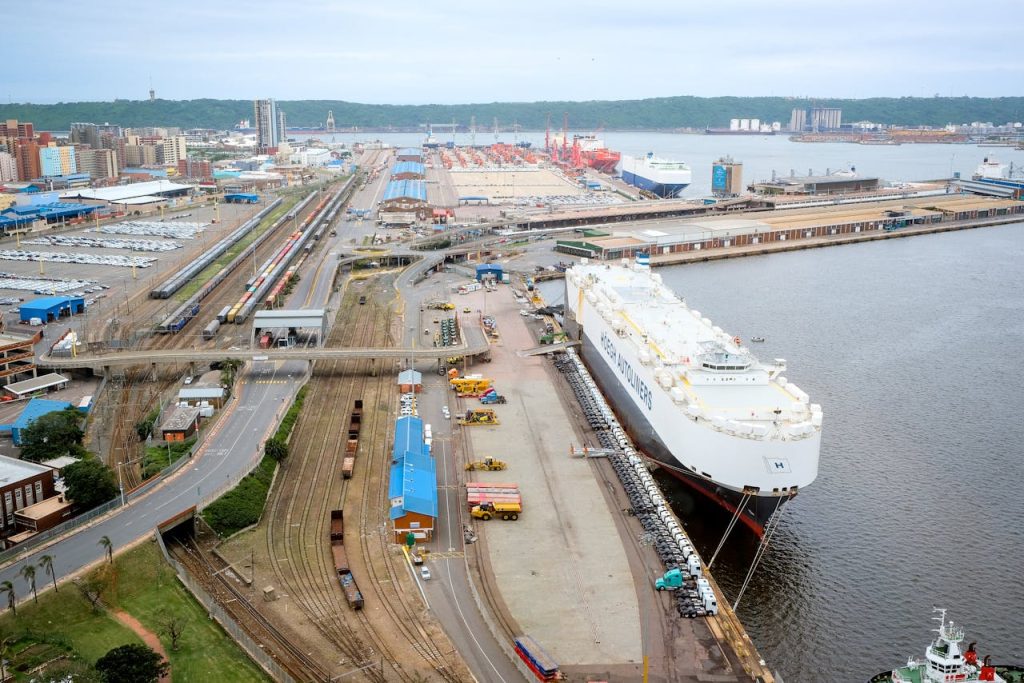
One of the greatest barriers to mining is logistics. However, the massive investments in rail and port infrastructure driven by the Simandou iron ore project and various bauxite corridors have created a “spine” that manganese projects can leverage. This proximity to existing transport networks significantly lowers the initial capital expenditure (CAPEX) for new mines.
Government Commitment to Diversification
The Guinean government is actively seeking to diversify its mining revenues away from an over-reliance on bauxite. This has led to the creation of specific incentives for “non-traditional” minerals, including manganese, aimed at accelerating the granting of exploration permits and environmental clearances.
Key Regions and Exploration Opportunities
Investors looking into Manganese Guinea should focus on specific geographical clusters where geological indicators are strongest.
1. The Maritime Guinea Corridor
The proximity to the ports of Conakry and Kamsar makes this region ideal for rapid export setups. Recent prospecting has identified manganese outcroppings that could be integrated into existing logistics chains with minimal lead time.
2. The Forest Region and Eastern Highlands
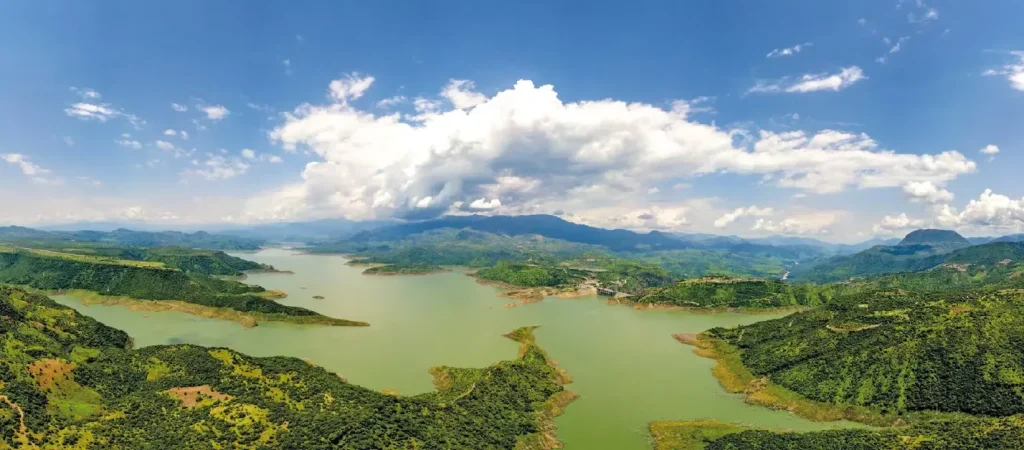
While historically known for iron ore and gold, the complex geological formations in the Forest Region show high potential for manganese mineralization. Projects here can benefit from the regional integration efforts of the West African Power Pool (WAPP) for stable energy supply.
Navigating the Legal and Regulatory Landscape
Investing in Guinea’s mining sector requires a deep understanding of the OHADA (Organization for the Harmonization of Business Law in Africa) framework and the Guinean Mining Code.
- Stability Agreements: Guinea offers mining conventions that provide long-term fiscal stability, protecting investors against sudden changes in tax or royalty regimes.
- Environmental and Social Governance (ESG): In 2026, success in the Guinean mining sector is tied to high ESG standards. Investors who prioritize local community development and water management are more likely to secure long-term operational licenses.
- Arbitration Protections: Guinea is a signatory to international arbitration treaties, ensuring that disputes can be settled in neutral forums like the ICC, providing an essential layer of security for foreign capital.
Strategic Steps for Successful Market Entry
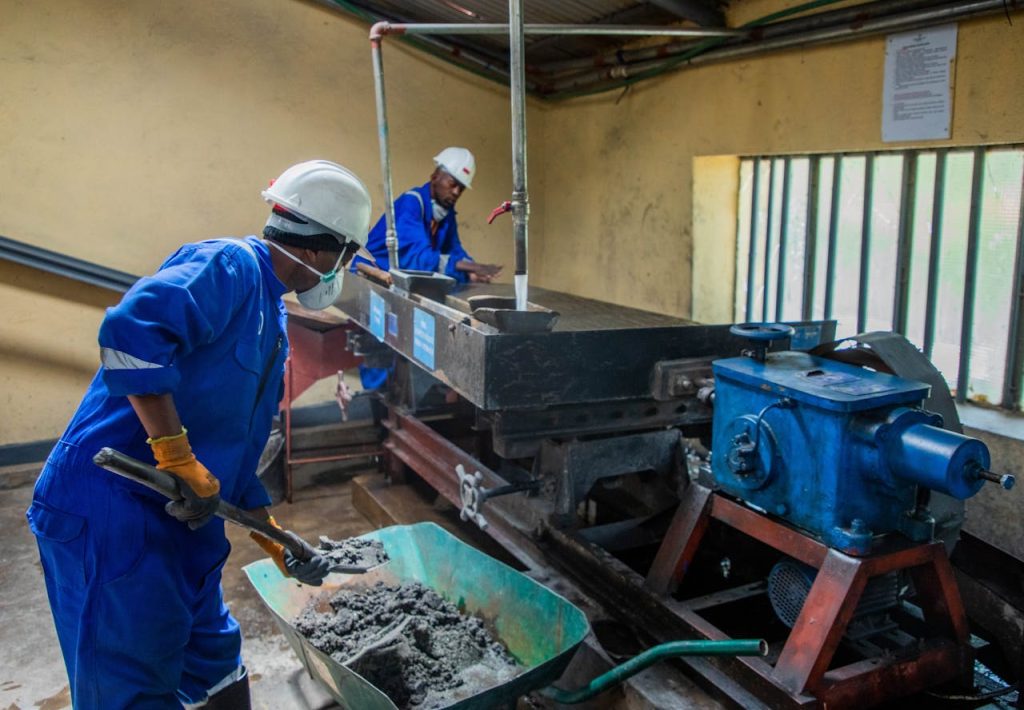
- Technical Due Diligence: Partner with local geological firms to validate historical data and conduct fresh aero-magnetic surveys.
- Regulatory Liaison: Work with Yes! Invest Guinea to navigate the Ministry of Mines and Geology, ensuring all permits are secured with full transparency.
- Logistics Planning: Assess the feasibility of using existing “Multi-User” rail corridors to transport mineral bulk to the coast.
- Local Content Alignment: Develop a “Local Content Plan” that involves Guinean businesses in the supply chain, which is a key requirement for modern mining licenses.
FAQ: Manganese Guinea
- What is the typical grade of manganese found in Guinea?
While exploration is ongoing, initial samples have shown high-grade manganese suitable for both metallurgical and battery-grade processing, though site-specific drilling is required for confirmation.
- Are there specific tax incentives for manganese mining?
Yes, the current investment code allows for customs duty exemptions on specialized mining equipment and initial tax holidays during the exploration and construction phases.
- How does the current infrastructure support manganese exports?
Manganese projects can often leverage the “Multi-User” infrastructure policies of the government, allowing smaller mining operations to share rail and port facilities used by major bauxite and iron ore producers.
- What are the environmental regulations for new mines?
All projects must submit a comprehensive Environmental and Social Impact Assessment (ESIA) and maintain a rehabilitation fund to ensure the land is restored after the mine’s lifecycle.
- How can Yes! Invest Guinea assist international manganese investors?
We provide end-to-end support, from identifying promising permit areas and managing legal due diligence to connecting investors with institutional stakeholders and local technical partners.
Conclusion: Securing Your Stake in the Manganese Frontier
The Republic of Guinea is entering a new era of mineral leadership. While the world watches its iron ore and bauxite, the savvy investor recognizes the immense potential of Manganese Deposits in Guinea: Emerging Mining Investment Opportunities.
As the global demand for batteries and high-tech steel reaches new heights, Guinea’s manganese reserves offer a rare opportunity for high-yield, strategic investment in a reforming and resource-rich nation. The window for “first-mover” positioning is open in 2026.
Invest with Confidence through Yes! Invest Guinea
At Yes! Invest Guinea, we are your eyes and ears on the ground. We bridge the gap between global capital and Guinean geological wealth, ensuring that your investment in the manganese sector is built on a foundation of security, transparency, and growth.
Contact Yes! Invest Guinea today to receive our 2026 Manganese Sector Investment Briefing.