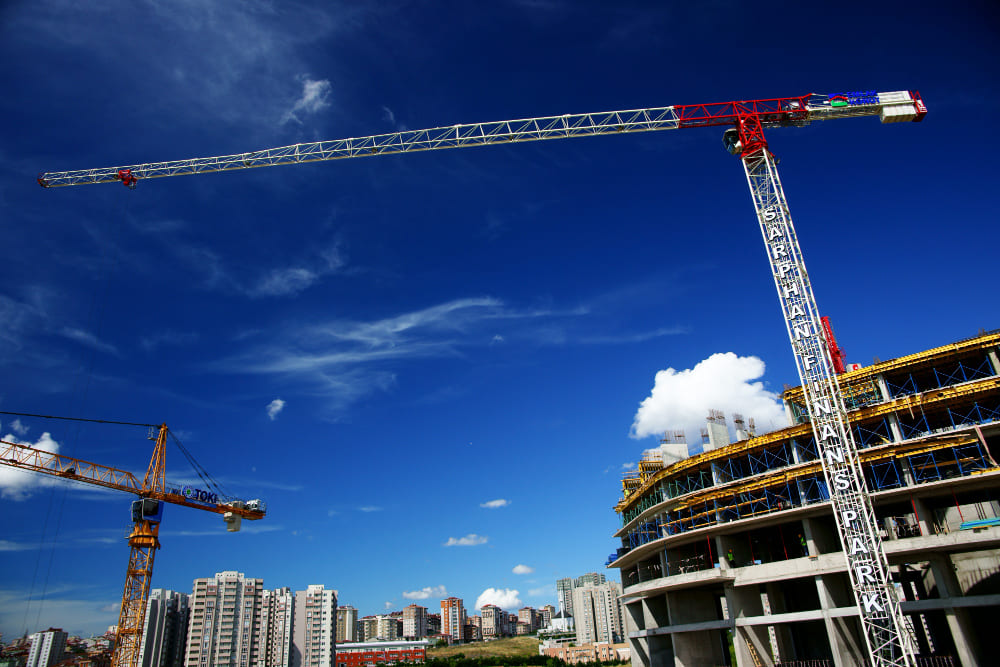
The urban landscape of West Africa is undergoing a radical transformation, and at the forefront of this change is the Republic of Guinea. As Conakry and regional hubs like Kamsar and Boké experience unprecedented economic growth driven by the mining boom, a new architectural and investment paradigm is emerging: Mixed-Use Real Estate Guinea. These integrated developments, which combine residential, commercial, and retail spaces into a single cohesive ecosystem, are becoming the preferred choice for international investors and local urban planners alike.
In 2026, the demand for “Live-Work-Play” environments is surging. Driven by the needs of an expanding expatriate workforce and a growing Guinean middle class, mixed-use developments are redefining urban density and investment yields. This article provides an in-depth analysis of the trends, benefits, and strategic opportunities within Guinea’s commercial and residential real estate sectors.
The Rise of Integrated Urbanism in Guinea
Historically, urban development in Guinea was characterized by segregated zones administrative districts, residential neighborhoods, and industrial areas. However, the modern global investor seeks efficiency, security, and convenience, leading to the rise of integrated developments.
1. The “Live-Work-Play” Evolution
Modern professionals in Conakry no longer want to navigate the city’s traffic congestion to move between their office in Kaloum and their residence in Kipé. Mixed-use projects solve this by placing high-end apartments directly above or adjacent to Grade A office spaces and luxury retail outlets. This trend is significantly increasing land-use efficiency in high-density districts.
2. Diversifying Income Streams for Investors
For real estate investors, Mixed-Use Real Estate Guinea provides a natural hedge against market volatility. By diversifying a single asset into residential, office, and retail components, landlords can maintain stable cash flows even if one sector experiences a seasonal dip. According to the International Finance Corporation (IFC), multi-purpose urban infrastructure is a key driver for resilient economic growth in emerging markets.
Key Drivers of the Mixed-Use Trend in 2026
Several factors are converging to make integrated developments the most lucrative segment of Guinea’s property market today.
The “Simandou Effect” and Corporate Demand
The massive scale of the Simandou iron ore project has brought thousands of international consultants, engineers, and executives to Guinea. These high-net-worth individuals require “western-standard” accommodations that offer on-site gyms, grocery stores, and secure workspaces. Mixed-use developments are the only assets capable of meeting these holistic requirements.
Infrastructure Synergy and Connectivity
The Guinean government’s focus on urban renewal and the expansion of road networks has opened up new “growth corridors.” Developers are now looking beyond the Kaloum peninsula toward suburbs like Lambanyi and Nongo, where larger land parcels allow for expansive mixed-use “city-within-a-city” projects.
Strategic Opportunities in Mixed-Use Real Estate
Investors entering the Guinean market in 2026 should focus on three primary types of integrated developments:
1. Luxury Residential & Premium Retail
There is a significant shortage of high-end retail space in Guinea. Projects that combine luxury condominiums with “destination retail” such as international fashion brands, fine dining, and entertainment centers are seeing some of the highest rental premiums in the region.
2. Business Hubs & Short-Stay Apartments
With the rise of “business tourism,” there is a growing demand for developments that combine corporate office suites with serviced apartments for short-to-medium-term stays. This model is particularly attractive to consultants working on mining or energy infrastructure projects.
3. Industrial Parks with Residential Components
In regional mining hubs like Boké, developers are creating specialized “Industrial-Mixed-Use” zones. These provide warehousing and logistics facilities alongside secure housing and amenities for the technical staff, ensuring operational continuity for mining service providers.
Navigating the Legal and Regulatory Landscape
Investing in Mixed-Use Real Estate Guinea requires a deep understanding of the OHADA (Organization for the Harmonization of Business Law in Africa) legal framework, which provides standardized protections for property rights and commercial leases.
- Land Title Security: Ensuring clear “Titre Foncier” (Land Title) is the most critical step. Working with a local partner like Yes! Invest Guinea ensures that all due diligence is completed according to both local and international standards.
- Investment Code Incentives: Large-scale mixed-use developments often qualify for tax holidays and customs duty exemptions on imported construction materials, significantly improving the project’s internal rate of return (IRR).
- ESG and Green Building: In 2026, there is a strong preference for developments that incorporate solar energy, water recycling, and energy-efficient cooling. These “green” assets are increasingly eligible for specialized climate financing.
FAQ: Mixed-Use Real Estate Guinea
- What are the typical rental yields for mixed-use properties in Guinea?
Currently, Grade A mixed-use assets in Conakry offer yields ranging from 9% to 13%, driven by the high demand for premium office and expatriate housing.
- Is it safe for foreign investors to own land for development?
Yes. Guinea’s investment code allows for foreign ownership and long-term leases. The OHADA framework further protects these investments through internationally recognized commercial laws.
- Which areas in Conakry are best for mixed-use development?
While Kaloum remains the financial heart, the “New Conakry” districts of Kipé, Lambanyi, and Nongo are the primary growth zones for large-scale integrated projects.
- How has the mining boom affected property prices?
The mining boom has created a surge in demand for high-quality spaces, leading to significant capital appreciation in prime districts—often exceeding 15% annually in recent years.
- How can Yes! Invest Guinea assist international developers?
We provide end-to-end support, including land identification, due diligence, navigating the permitting process with the Ministry of Urbanism, and connecting you with reputable local contractors.
Conclusion: Investing in the Urban Future
The evolution of Guinea’s cities is a testament to the country’s broader economic rise. Mixed-Use Developments: Real Estate Trends in Guinea Cities represent the pinnacle of modern investment in West Africa. By integrating residential comfort with commercial utility, these projects are not only solving urban challenges but are also delivering exceptional value to global investors.
As the 2026 economic landscape continues to mature, those who invest in the “Live-Work-Play” future of Guinea will find themselves at the center of Africa’s next great urban success story.
Secure Your Position with Yes! Invest Guinea
At Yes! Invest Guinea, we are your strategic partner in the Guinean property market. From identifying prime development sites to managing complex regulatory hurdles, we ensure your real estate investment is built on a foundation of security and growth.
Contact Yes! Invest Guinea today to receive our 2026 Real Estate Market Analysis and Investment Briefing.