As of March 2026, the global economic narrative has shifted. No longer just a “frontier market,” the Republic of Guinea has become a focal point for European strategic interests. Often called a “geological scandal” for its extreme concentration of wealth, the nation is currently spearheading the largest infrastructure and mining development in African history: the Simandou project. For the discerning European investor, Investing in Guinea represents a unique confluence of high-yield opportunity and strategic alignment with the European Union’s green transition goals.
With the EU Critical Raw Materials Act now in full implementation, European industries are actively seeking to de-risk their supply chains and diversify away from traditional monopolies. Guinea, with its stable 7.2% GDP growth and modernized regulatory framework, is the natural partner for this new era of Euro-African co-investment.
Why Guinea? Strategic Advantages for European Investors in 2026
The investment landscape in Guinea has matured significantly. In 2026, the government transitioned from a donor-recipient mindset to a co-investment model, specifically targeting institutional capital from the Eurozone.
Resource-Rich Economy and Global Significance
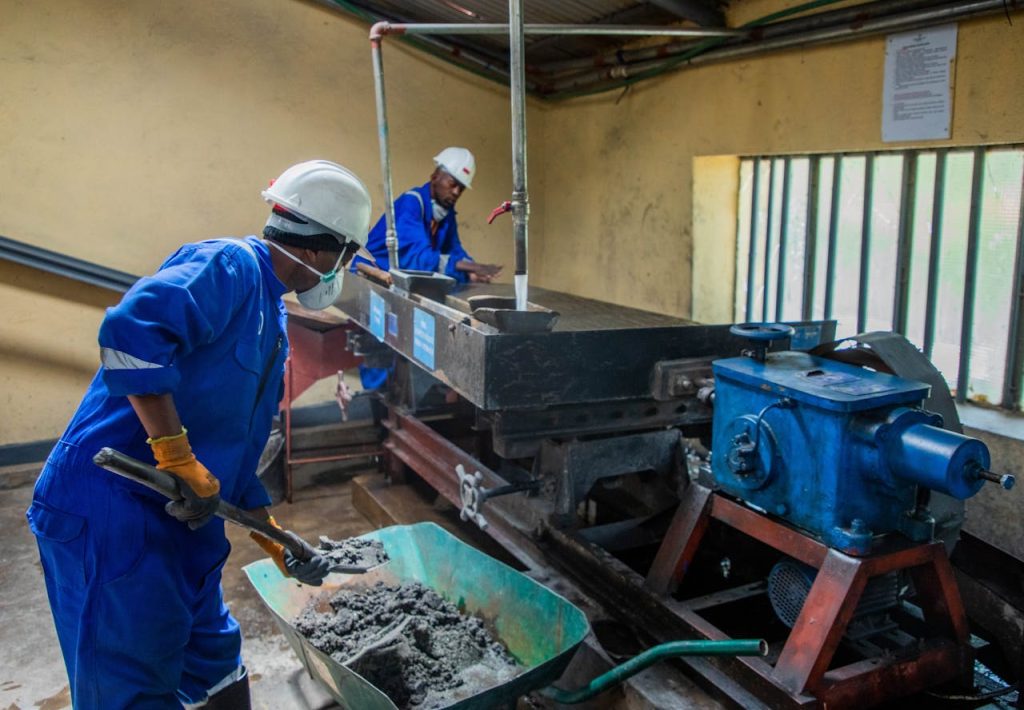
Guinea’s mineral sovereignty is undisputed. It holds the world’s largest bauxite reserves (estimated at 7.4 billion tons) and the massive Simandou iron ore deposit, which officially began its ramp-up phase in early 2026. For European steel and aluminum manufacturers, Guinea is no longer an option it is a necessity.
Renewable Energy: The “Green Battery” of West Africa
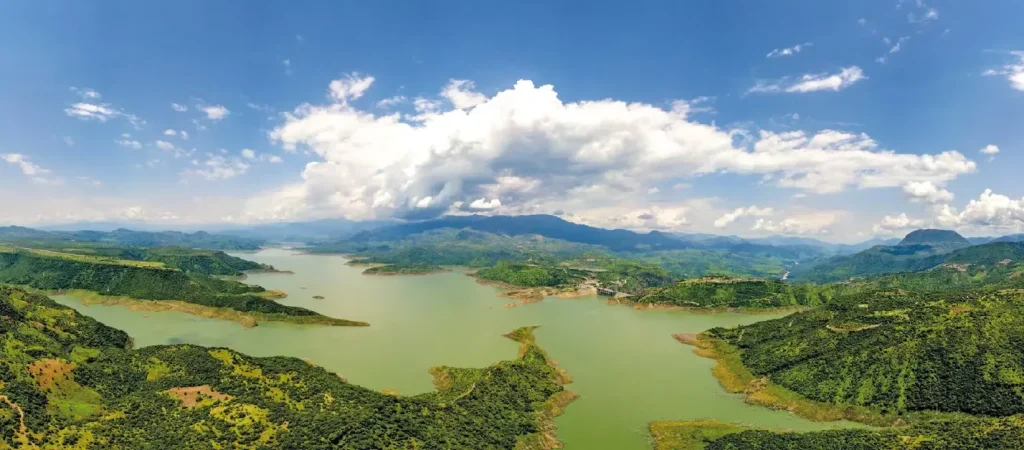
With a theoretical hydropower potential of over 6,000 MW, Guinea is positioning itself as the regional hub for clean energy. European firms specialized in EPC (Engineering, Procurement, and Construction) and green hydrogen are finding a fertile market as Guinea seeks to export surplus power to the West African Power Pool (WAPP).
Geographic Gateway and Infrastructure Booms
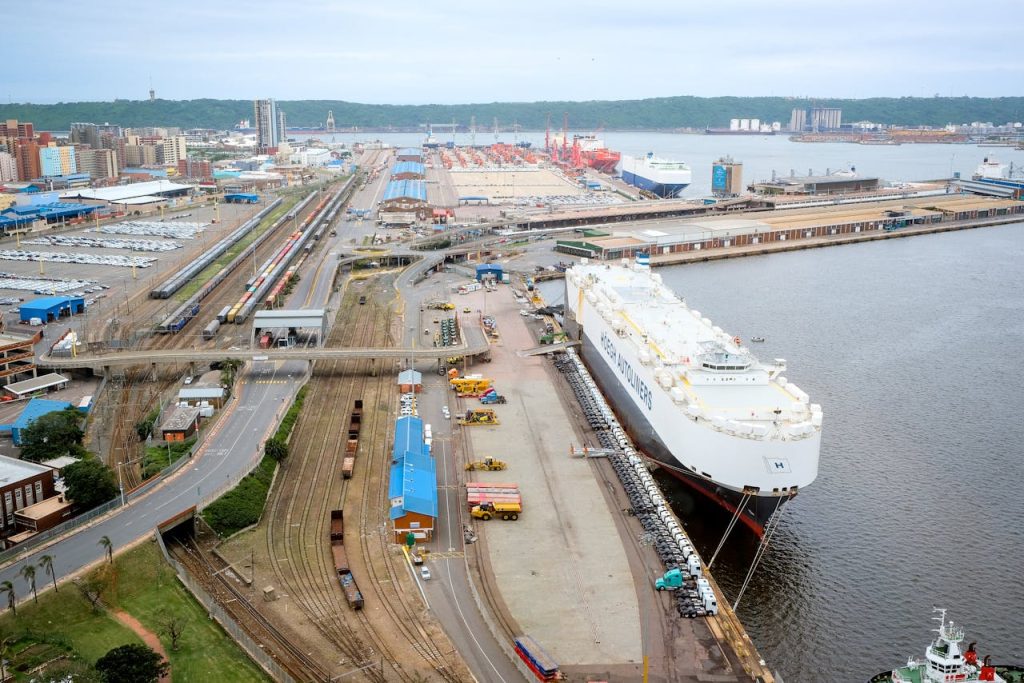
Positioned on the Atlantic coast, the newly commissioned Morebaya deep-water port and the 650km Trans-Guinean railway have effectively bridged the gap between the resource-rich interior and global shipping lanes. This infrastructure, largely managed through Public-Private Partnerships (PPPs), offers a blueprint for sustainable development.
Key Investment Sectors in Guinea: A 2026 Perspective
European investors are moving beyond raw extraction into value-added processing and industrialization, supported by Yes! Invest Guinea.
1. Mining and Natural Resources: The Simandou Era
As of March 2026, the Simandou Project has achieved critical milestones, with first ore shipments already exceeding 1 million tonnes. This project is not just about mining; it is a catalyst for the entire Guinean economy.
- Why it matters for Europe: The EU’s ReSourceEU Action Plan, launched in late 2025, has allocated €3 billion for strategic projects that secure critical minerals. Guinea’s high-grade iron ore (65%+ Fe content) is essential for the “Green Steel” produced in European DRI (Direct Reduced Iron) plants.
- Opportunities: Mid-stream processing, alumina refining, and specialized mining technology services.
2. Renewable Energy and Green Hydrogen
The “Water Tower of Africa” is finally harnessing its rivers. Following the success of the Souapiti and Kaléta dams, the focus has shifted to solar-hydro hybrids.
- The European Edge: Firms from France, Germany, and Spain are currently leading joint ventures in solar farm development in the Boké and Kankan regions.
- Future Frontier: Green hydrogen projects are being explored to decarbonize local alumina refining, creating a “Circular Green Economy” that appeals to ESG-conscious European funds.
3. Agriculture and Agribusiness: Exporting to the EU
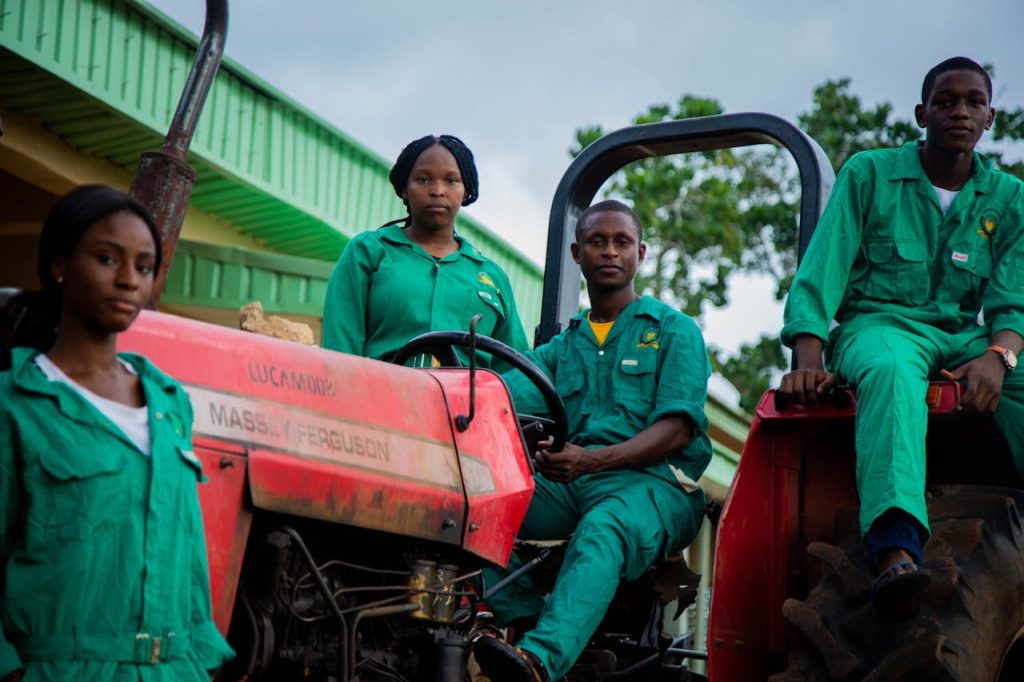
Guinea’s National Agriculture Development Policy (NADP) has opened the door for commercial farming. With the European Investment Bank (EIB) backing sustainable value chains, the path for organic exports is clear.
- Focus Crops: Cocoa, coffee, and cashew nuts (processed locally).
- Benefits: Access to the EU market via the “Everything But Arms” (EBA) initiative, providing duty-free and quota-free access for Guinean products.
4. Infrastructure and Smart Cities
Conakry is undergoing a digital and physical transformation. The “Simandou 2040” program, enshrined in law in early 2026, promotes the development of smart city corridors and modernized logistics hubs. European expertise in urban planning and “Smart Port” technologies is in high demand.
Legal and Regulatory Framework: Certainty for Capital
European investors prioritize legal clarity. Guinea’s 2026 legal landscape is built on the OHADA framework, ensuring that commercial laws are standardized and recognizable to European legal teams.
1. International Arbitration
Contracts in Guinea are increasingly governed by ICC (International Chamber of Commerce) arbitration rules. This provides a safety net for European investors, allowing for dispute resolution in neutral venues like Paris or Brussels.
2. The 2026 Investment Code
The updated Investment Code offers:
- Tax Holidays: Up to 10 years of corporate tax exemptions for projects in “Special Economic Zones.”
- Capital Repatriation: Guaranteed freedom to transfer profits and dividends in convertible currencies.
- Digital One-Stop Shop: Incorporation of a company now takes less than 72 hours via the APIP-Guinée digital portal.
Risk Mitigation for European Investors
While the rewards are high, Investing in Guinea requires a sophisticated risk management strategy. In 2026, successful firms use a “Local-Global” approach.
- Political Stability: The transition to a “Simandou-driven” economy has created a broad consensus on the need for investor protection.
- Currency Hedging: While the Guinean Franc (GNF) remains stable due to record mineral exports, hedging strategies through regional banks are standard practice.
- ESG and Social License: European firms lead the way in CSR (Corporate Social Responsibility). Engaging with local communities is not just ethical; it is a legal requirement under the new Mining and Land Codes.
FAQ: Investing in Guinea for Europeans
- How does the EU’s Critical Raw Materials Act affect my investment in Guinea?
The Act identifies minerals found in Guinea (like bauxite and graphite) as strategic. This means European projects in Guinea may qualify for fast-tracked financing from the EIB and regulatory support from the European Commission.
- Can European companies own 100% of their Guinean subsidiary?
Yes. In most sectors, including mining and energy, 100% foreign ownership is permitted. Some local content requirements apply to sub-contracting and employment, but not to equity ownership.
- What is the “Simandou 2040” Program?
It is a national economic transformation plan that uses mining revenues to fund education, healthcare, and infrastructure. It aims to ensure that the wealth from iron ore creates a sustainable, diversified economy beyond the mines.
- Is there a Double Taxation Agreement between Guinea and European countries?
Guinea has signed several bilateral treaties, most notably with France. These agreements prevent investors from being taxed twice on the same income and provide additional layers of protection.
- How can Yes! Invest Guinea facilitate my entry?
We act as your local institutional liaison. We assist with company registration, navigate the OHADA legal framework, and identify vetted local partners for joint ventures.
Conclusion:
For the European investor in 2026, Guinea is no longer a peripheral interest; it is a central pillar of the global resource and energy strategy. The convergence of Europe’s industrial needs and Guinea’s natural abundance has created a window of opportunity that will define the next decade of Euro-African relations.
By Investing in Guinea now, you are securing access to the high-grade materials of the future, leveraging world-class infrastructure, and participating in the economic renaissance of West Africa. The potential is no longer hidden it is ready for those with the vision to act.
Secure Your Partnership Today
Are you ready to explore the Guinean market with the confidence of local expertise? At Yes! Invest Guinea, we specialize in bridging the gap between European institutional standards and Guinean opportunities. Whether you are interested in mining, energy, or agribusiness, our team provides the due diligence and liaison services you need to succeed.
Contact Yes! Invest Guinea today to receive our 2026 European Investor Briefing and Sector Map