In 2026, the global conversation around sustainable development has shifted from mere extraction to long-term food sovereignty. For the Republic of Guinea, this transition is anchored in two of its most promising yet underdeveloped sectors: livestock and fisheries. While mining often dominates the headlines, the potential for Livestock Guinea ventures and maritime industrialization is what will ultimately define the nation’s resilience and nutritional security.
As the population continues to grow, the demand for animal-source proteins is projected to rise significantly. For investors, this creates a high-yield opportunity to modernize a value chain that is currently characterized by artisanal methods and significant import dependency.
The Strategic Importance of Livestock and Fisheries
Agriculture in Guinea employs over 50% of the workforce, but the livestock and fisheries sub-sectors have historically received less investment than cash crops. In 2026, this is changing as the government implements the “Simandou 2040” economic diversification strategy, which emphasizes building a robust internal food system to support industrial growth.
Bridging the Protein Gap
According to the Food and Agriculture Organization (FAO), Guinea’s aquatic and terrestrial resources are vast, yet the country remains a net importer of frozen fish and poultry. By investing in local production, businesses can tap into a captive market while contributing to the UN Sustainable Development Goal of “Zero Hunger.”
Economic Diversification
Relying on mineral exports makes the economy vulnerable to global commodity price fluctuations. In contrast, the livestock and fisheries sectors provide a stable, “counter-cyclical” investment opportunity. These sectors are essential for rural poverty reduction and the empowerment of women, who play a dominant role in fish processing and small-scale livestock management.
Livestock Guinea: Opportunities in Modern Ranching and Poultry
The Guinean highlands, particularly the Fouta Djallon region, provide an ideal climate for cattle, goats, and sheep. However, the sector is ripe for technological and structural upgrades.
1. Intensive Poultry Production
Poultry is the fastest-growing segment of the Livestock Guinea market. The demand for eggs and broiler meat in Conakry and other urban centers is at an all-time high.
- Investment Niche: Establishing integrated poultry farms that include hatcheries and local feed production units. Currently, the high cost of imported feed is the primary bottleneck; investors who produce maize and soy locally for animal feed can gain a significant competitive edge.
2. Dairy and Beef Value Chains
Traditional pastoralism still dominates the cattle sector. There is a massive opportunity for:
- Cold Chain Logistics: Building refrigerated transport and storage facilities to bring fresh milk and meat from the interior to the coastal cities.
- Genetic Improvement: Introducing high-yield breeds through artificial insemination programs to increase milk and meat output per animal.
3. Animal Health and Veterinary Services
The expansion of the livestock sector requires a parallel growth in veterinary services. There is a critical need for privately-run clinics, vaccine distribution networks, and laboratory services to ensure the health of the national herd.
Fisheries: Unlocking the Blue Economy
With a 300km coastline and an Exclusive Economic Zone (EEZ) rich in diverse marine species, Guinea’s “Blue Economy” is an untapped goldmine.
Industrial Fishing and Processing
Currently, a significant portion of the fish caught in Guinean waters is processed offshore or exported as raw material. In 2026, the government is incentivizing the construction of:
- Fish Processing Plants: Converting raw catch into high-value products like canned tuna or fish oil for export.
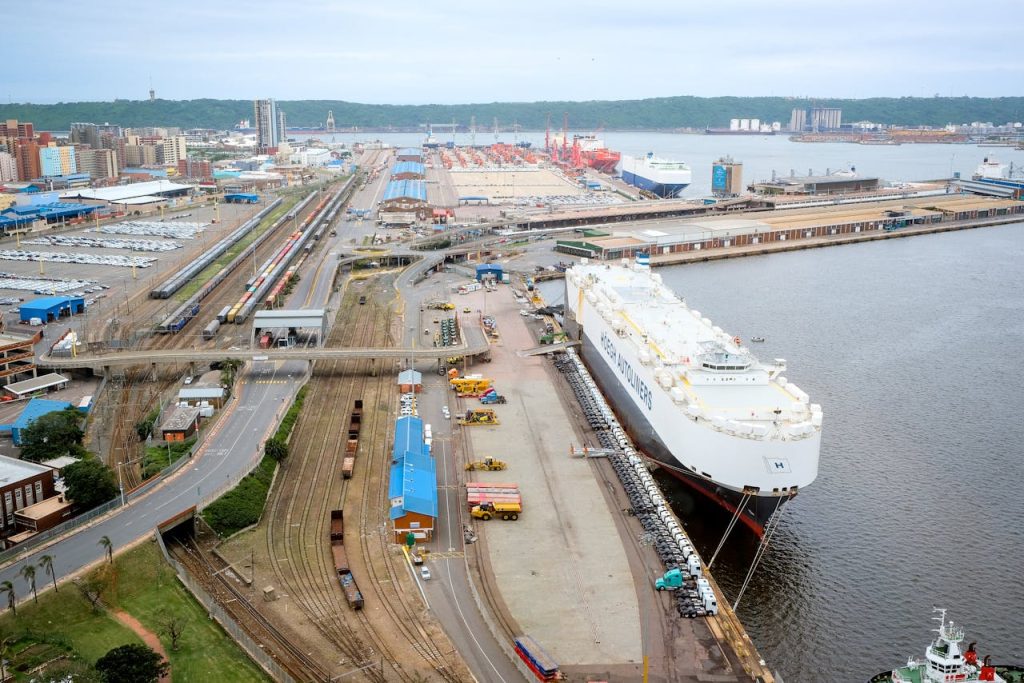
- Modern Fishing Jetties: Upgrading port infrastructure to allow for larger vessels and improved sanitary controls, meeting the Marine Stewardship Council (MSC) standards for international export.
The Rise of Aquaculture
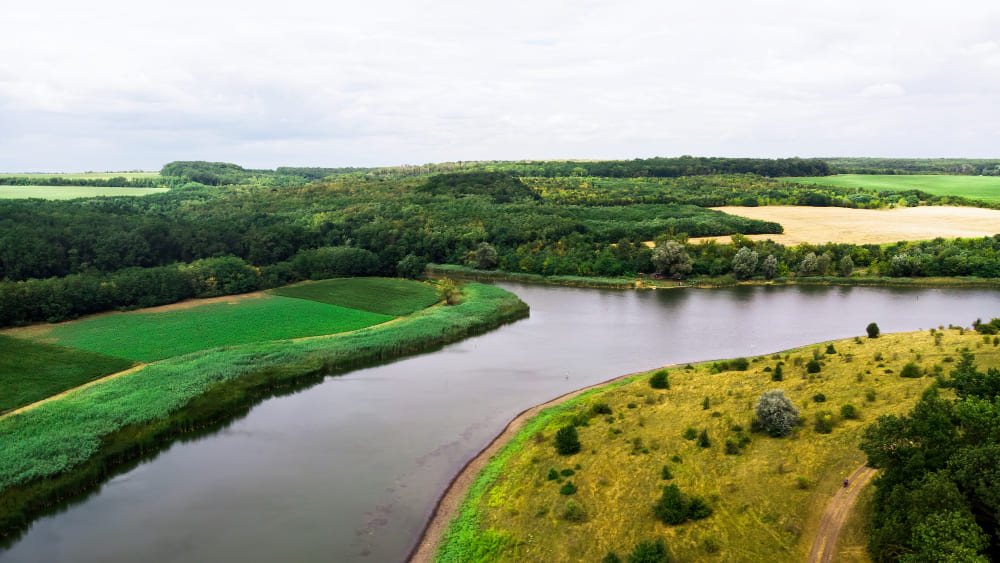
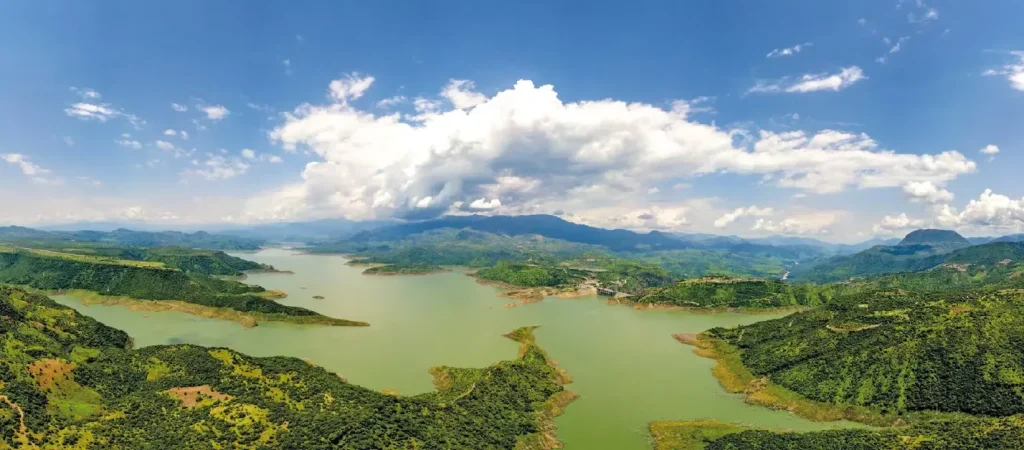
Marine and freshwater aquaculture (fish farming) is the “new frontier” in Guinea. With the country’s extensive river network including the sources of the Niger and Senegal rivers inland aquaculture of Tilapia and Catfish is becoming a highly profitable venture for small and medium-sized enterprises.
Government Incentives and the 2026 Regulatory Climate
The African Development Bank (AfDB) has recently approved new funding aimed at Guinea’s “Blue Economy,” signaling international confidence in the sector. To match this, the Guinean government has rolled out several pro-investor incentives.
Fiscal Relief for Food Security
- Zero Custom Duties: Investors in the livestock and fisheries sectors enjoy duty-free imports on specialized equipment, including solar-powered cold storage, fishing nets, and veterinary medicine.
- Tax Holidays: New ventures in rural areas can qualify for corporate tax exemptions of up to 10 years, depending on the scale and impact of the project.
The “Agri-Connect” Infrastructure
The government is integrating agricultural hubs with the new national rail and road networks. This ensures that livestock and fish can reach markets in record time, drastically reducing post-harvest losses which previously hampered the sector.
FAQ: Investing in Livestock and Fisheries
1. Is land available for large-scale ranching in Guinea?
Yes. Through the Agency for the Promotion of Private Investment (APIP), the government facilitates long-term leases for agricultural and livestock projects. There are designated zones in the middle and upper regions specifically suited for ranching.
2. What are the main challenges for the fisheries sector?
The primary challenges are illegal, unreported, and unregulated (IUU) fishing and the lack of modern cold-chain infrastructure. However, increased naval surveillance and new PPP (Public-Private Partnership) models for port management are successfully addressing these issues in 2026.
3. Can I export Guinean livestock products to neighboring countries?
Yes. As a member of ECOWAS, Guinea has access to a regional market of over 400 million people. There is a particularly strong demand for Guinean cattle in neighboring Sierra Leone and Liberia.
4. What is the role of technology in Guinea’s food security?
Technology is being used for everything from “Smart Collars” for tracking cattle to mobile apps that connect artisanal fishermen directly with urban wholesalers, ensuring fair pricing and reducing waste.
5. How can Yes Invest in Guinea help me get started?
We provide comprehensive market entry support, including feasibility studies for specific livestock breeds, navigating fishing license regulations, and identifying local partners for joint ventures in the agribusiness space.
Conclusion: A Future Built on Food Sovereignty
The 2026 outlook for Livestock Guinea and the broader fisheries sector is one of immense potential. By moving away from subsistence methods toward industrial, value-added production, Guinea is not just feeding its people it is creating a sustainable engine for economic growth.
For the impact-driven investor, these sectors offer a unique combination of strong financial returns and a tangible contribution to the nation’s food security. The “Water Tower of Africa” is ready to become its “Food Basket.”
Ready to invest in the future of Guinean agriculture? At Yes! Invest in Guinea, we are dedicated to bridging the gap between global capital and local opportunity. Whether you are interested in industrial aquaculture or modern poultry farming, our team provides the local expertise you need to succeed.
Contact Yes! Invest in Guinea today to receive our 2026 Livestock and Fisheries Investment Guide