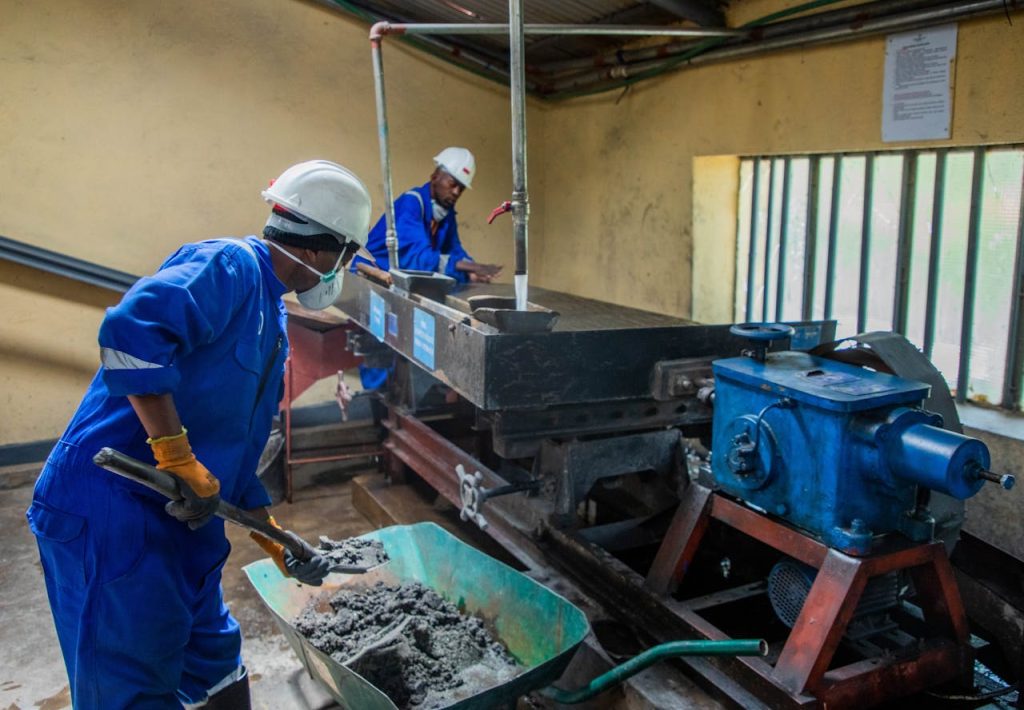
The Republic of Guinea is entering a new era of economic openness. As of 2026, the government has intensified its efforts to attract foreign direct investment (FDI) by streamlining the bureaucratic hurdles that once slowed down market entry. For most international small-to-medium enterprises (SMEs), the Société à Responsabilité Limitée (SARL) the equivalent of a Private Limited Liability Company—remains the gold standard for Guinea Company Registration.
With a legal system based on the OHADA (Organization for the Harmonization of Business Law in Africa) framework, Guinea offers a standardized, transparent, and legally secure environment for investors. In this guide, we break down the 2026 requirements and the step-by-step process to get your business operational in record time.
Why the SARL is the Preferred Choice for Investors
The SARL is favored by over 80% of foreign investors in Guinea due to its flexibility and protective nature. In 2026, the benefits of this structure have become even more pronounced:
- Limited Liability: Shareholders are only liable for the company’s debts up to the amount of their capital contribution, protecting personal assets.
- Foreign Ownership: Guinea allows 100% foreign ownership in most sectors. There is no mandatory requirement for a local Guinean partner for a SARL setup.
- Simplified Management: A SARL can be managed by one or more “Gérants” (Managers) who do not necessarily need to be residents or even shareholders.
- Scalability: While designed for SMEs, a SARL can easily be converted into an SA (Société Anonyme) should the company need to raise public capital in the future.
The 2026 Legal Requirements for SARL Setup
Before initiating the registration, it is essential to ensure you meet the updated legal criteria for 2026.
1. Minimum Share Capital
According to OHADA standards adopted by Guinea, there is no longer a strictly enforced high minimum share capital for a SARL. While a symbolic amount (as low as 100,000 GNF) is technically possible, Yes! Invest in Guinea recommends a minimum of 10,000,000 GNF (approx. $1,150) to establish credibility with local banks and government authorities. At least half of this capital must be paid up during the registration stage.
2. Physical Business Address
A valid lease agreement or a domiciliation contract in Guinea is mandatory. In 2026, the Agency for the Promotion of Private Investment (APIP) requires a physical location to issue your Tax Identification Number (NIF).
3. Notarized Statutes
Your company’s Articles of Association (Statutes) must be drafted in French and notarized by a local Guinean notary. This document outlines the company’s purpose, management structure, and the distribution of shares.
Step-by-Step Guide to Guinea Company Registration
The Guinean government has centralized the registration process through the APIP “One-Stop Shop” (Guichet Unique), aiming to complete the process in as little as 3 to 5 working days.
Step 1: Name Reservation and Search
First, you must ensure your proposed company name is unique. APIP maintains the national database connected to the RCCM (Registre du Commerce et du Crédit Mobilier).
Step 2: Capital Deposit
You must deposit your initial share capital into a “blocked account” at a local commercial bank in Conakry. The bank will issue a Certificate of Capital Deposit, which is a prerequisite for final filing.
Step 3: Document Filing at APIP
You (or your representative) will submit a complete file to APIP, which includes:
- Three notarized copies of the Statutes.
- The Certificate of Capital Deposit.
- Passport copies of all shareholders and managers.
- Police clearance certificates (or a declaration of integrity) for the managers.
- The signed lease agreement for the business premises.
Step 4: Obtaining Your Unified Identification
Once APIP approves the file, they will issue your RCCM number (Trade Register), your NIF (Tax ID), and your CNSS number (Social Security). In 2026, this is done via a single unified certificate, significantly reducing the paperwork load.
Navigating Tax and Compliance in 2026
Once your Guinea Company Registration is complete, your business enters the compliance phase. Guinea’s tax landscape for 2026 offers several incentives but requires strict adherence.
Corporate Taxation
- Standard Corporate Tax: Generally 35% for foreign-owned entities.
- Incentives: Under the Guinea Investment Code, companies operating in “Priority Sectors” (such as agriculture, renewable energy, and health) can qualify for 5 to 10-year tax holidays.
- VAT: The standard Value Added Tax is 18%.
Annual Filing Requirements
Companies must file their annual financial statements in accordance with the SYSCOHADA accounting standards. Failure to file by the end of April each year can result in significant penalties and the suspension of your export/import licenses.
Frequently Asked Questions (FAQ)
1. Can I register a company in Guinea remotely?
Yes, with a Power of Attorney (PoA). You can appoint a local representative or a consultancy like Yes! Invest in Guinea to handle the notarization, bank deposit, and APIP filing on your behalf without having to travel to Conakry.
2. How long does the entire registration process take?
If the documentation is correct and the capital is deposited, the official APIP processing time is typically 3 to 5 business days. However, preparing the notarized statutes and bank setup can take an additional 1 to 2 weeks.
3. Is it mandatory to have a local bank account?
Yes. To complete the registration of a SARL, you must prove the deposit of capital into a Guinean bank account. This account remains “blocked” until the final registration certificate is presented back to the bank.
4. What are the costs involved in company setup?
The official APIP registration fee for a SARL is approximately 530,000 GNF ($61). However, you should also budget for notary fees (ranging from $500 to $1,500 depending on complexity) and legal consultancy fees.
5. Does a foreign manager need a Guinean work permit?
If the manager intends to reside in Guinea, a residence permit (Carte de Séjour) and a work permit are required. If the manager is non-resident, they can manage the company remotely without these documents.
Conclusion: Start Your Guinean Venture with Confidence
Starting a business in a foreign country can be a daunting task, but in 2026, the process of Guinea Company Registration is more accessible than ever. By choosing the SARL structure, you benefit from a globally recognized legal framework that minimizes risk while maximizing your operational freedom.
The key to a successful launch lies in the details—ensuring your statutes are OHADA-compliant, your tax strategy is optimized, and your local connections are strong.
Ready to formalize your presence in West Africa? At Yes! Invest in Guinea, we take the complexity out of business setup. Our team of legal and fiscal experts provides end-to-end support for your SARL registration, ensuring you remain compliant while you focus on growth.
Contact Yes! Invest in Guinea today for a free consultation on your company registration needs.