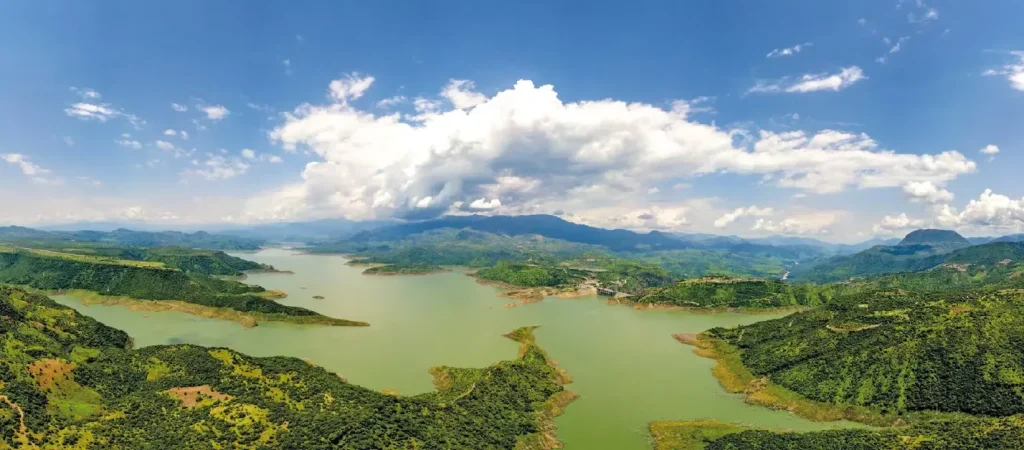
The global race for decarbonization has turned the world’s attention toward renewable energy bastions, and in West Africa, one nation stands peerless. Often described as the “Water Tower of West Africa,” the Republic of Guinea possesses a hydrological profile that is nothing short of extraordinary. As of 2026, the potential for Hydropower Guinea has become the cornerstone of the nation’s economic “Vision 2040,” offering a staggering 6,000MW of untapped technical potential.
For institutional investors, the appeal lies not just in the sheer volume of water, but in the strategic positioning of Guinea as the primary green energy exporter for the entire ECOWAS (Economic Community of West African States) region.
The Geopolitical and Economic Context of Hydropower Guinea
The energy landscape in West Africa is currently characterized by a significant supply-demand gap. As nations like Senegal, Mali, and Côte d’Ivoire industrialize, their need for stable, baseload power is skyrocketing. Hydropower Guinea is the solution to this regional deficit.
The West African Power Pool (WAPP) Integration
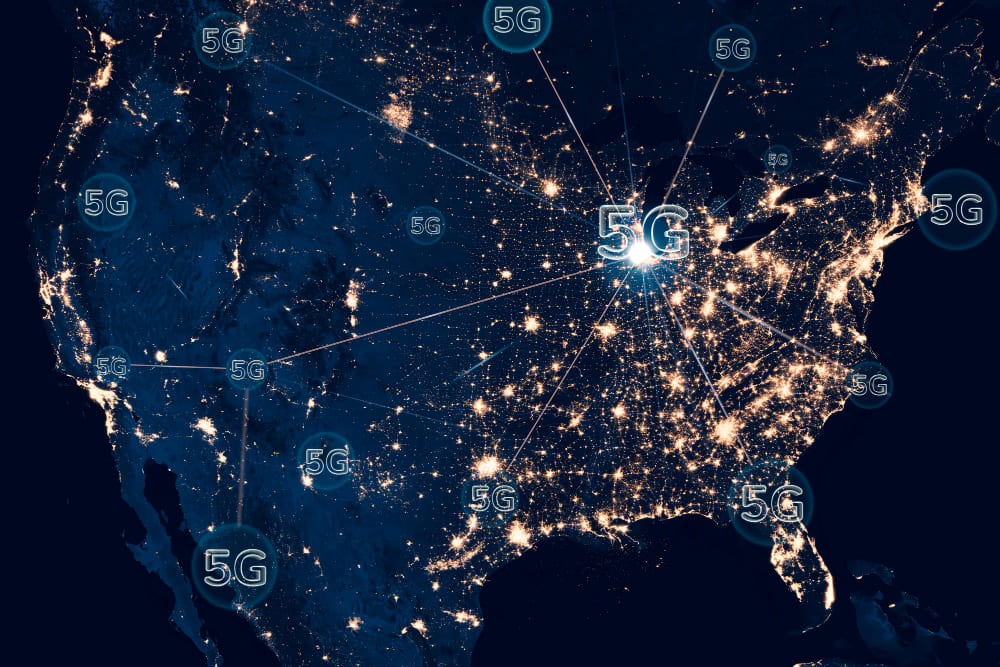
Guinea is a pivotal member of the West African Power Pool. Massive investment in cross-border transmission lines, such as the OMVG (Gambia River Basin Development Organization) and the CLSG (Côte d’Ivoire, Liberia, Sierra Leone, and Guinea) interconnections, has created a “regional electricity market.” This means that a dam built on a Guinean river isn’t just powering Conakry; it is selling carbon-neutral electricity to a market of over 300 million people.
Economic Stability Through Green Energy
The Guinean government has recognized that energy is the primary catalyst for its mining sector. With the world’s largest bauxite reserves requiring energy-intensive refinement into alumina, the synergy between mining and hydropower creates a guaranteed internal market (off-take) that derisks large-scale infrastructure projects for foreign lenders.
Mapping the 6,000MW Potential: Key River Basins
Guinea’s unique topography—characterized by the Fouta Djallon highlands—serves as the source for several of Africa’s most important rivers, including the Niger, the Senegal, and the Gambia. This high-altitude rainfall creates the natural head-height (pressure) necessary for high-efficiency power generation.
The Konkouré River Basin: The Industrial Engine
The Konkouré River is the current crown jewel of Hydropower Guinea.
- Souapiti (450MW) and Kaléta (240MW): These existing flagship projects have already demonstrated the feasibility of large-scale dam construction in the region.
- The Amaria Project: Currently under development, this project is specifically designed to power the aluminum smelting industry, showcasing the “Mining-Power” nexus.
The Bafing and Niger Tributaries
Beyond the Konkouré, the Bafing River (a major tributary of the Senegal River) and various Niger River tributaries offer vast untapped potential. These sites are ideal for “Run-of-River” projects, which minimize environmental displacement while providing consistent seasonal output.
Small and Medium Hydropower (SHP): The “Off-Grid” Opportunity
While the 6,000MW figure is dominated by large-scale dams, there is a burgeoning market for small hydropower plants (1MW to 20MW). These are critical for:
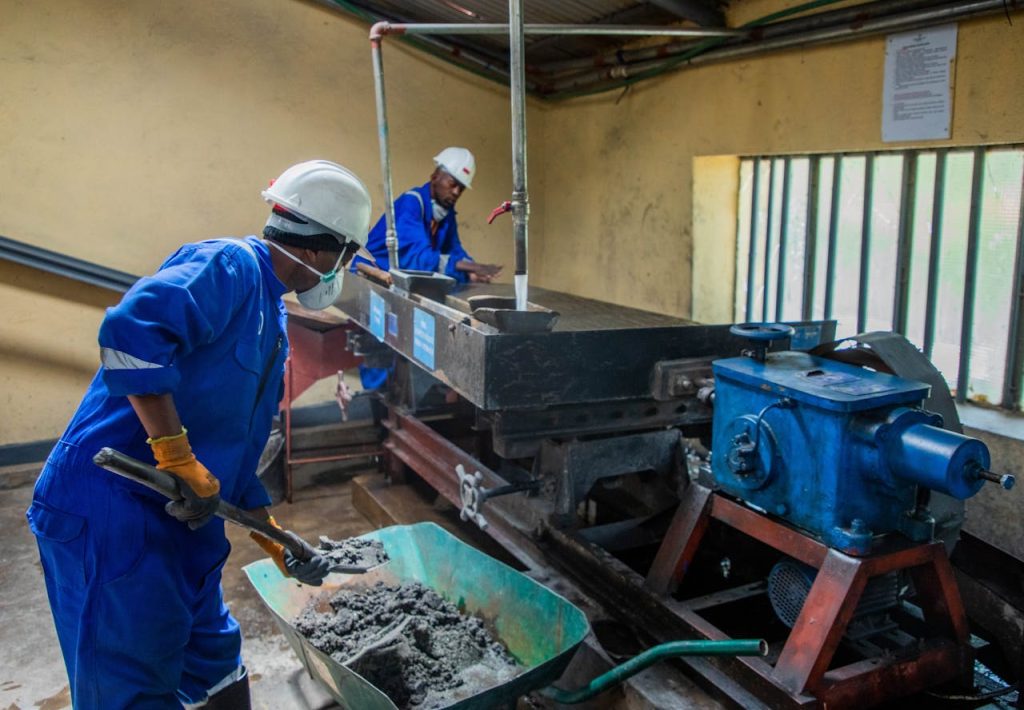
- Mining Sites: Providing dedicated green power to remote iron ore or gold mines.
- Rural Electrification: Supporting the agribusiness processing hubs in the interior.
- SME Investors: Offering faster ROI and simpler regulatory paths compared to “mega-dams.”
Why Invest Now? The 2026 Regulatory Climate
The year 2026 marks a turning point in how energy projects are financed in Guinea. The government has introduced a series of reforms to attract Private Equity and Development Finance Institutions (DFIs).
1. Public-Private Partnership (PPP) Law
The robust PPP framework allows for Build-Own-Operate-Transfer (BOOT) models. This gives investors long-term concessions (often 25–50 years), ensuring predictable cash flows through dollar-denominated Power Purchase Agreements (PPAs).
2. Fiscal Incentives for Renewables
To accelerate the Hydropower Guinea rollout, the government offers:
- Exemptions on VAT and customs duties for all imported turbines, generators, and construction materials.
- Corporate Tax Holidays during the first 5 to 10 years of commercial operation.
- Repatriation Guarantees for capital and dividends, backed by the Central Bank and international investment insurance.
3. ESG and Carbon Credits
Hydropower projects in Guinea are prime candidates for the global carbon credit market. By displacing thermal (diesel) power generation across West Africa, these projects generate high-value offsets that can be sold on international exchanges, adding a secondary revenue stream for investors.
Overcoming Challenges: The Path to Bankability
Large-scale infrastructure in emerging markets is never without challenges. However, in 2026, the tools to mitigate these risks are more accessible than ever.
Environmental and Social Impact Assessments (ESIA)
Modern investors prioritize biodiversity and community rights. The Guinean Ministry of Environment now works closely with international consultants to ensure that every Hydropower Guinea project meets the “Equator Principles.” This transparency is key to unlocking low-interest financing from the World Bank and African Development Bank.
Transmission Infrastructure
Historically, “stranded power” was a risk. Today, the expansion of the national grid (EDG) and regional interconnectors ensures that every megawatt generated has a clear path to a paying customer.
FAQ: Investing in Guinean Hydropower
1. What makes Guinea better for hydropower than its neighbors?
Guinea is the geographical source of West Africa’s major rivers. Its mountainous terrain provides the necessary “head” (water pressure) that flatter coastal neighbors lack, allowing for higher energy density and more efficient power plants.
2. Is there a minimum investment threshold for the energy sector?
While large dams require hundreds of millions of dollars, the “Small Hydro” sector is open to investments starting as low as $5 million to $10 million, particularly for captive power projects serving the mining industry.
3. How does the government guarantee payment for the electricity produced?
Most projects utilize an “Escrow Account” structure or “Sovereign Guarantees.” Additionally, selling power to the West African Power Pool (WAPP) provides a diversified pool of off-takers, reducing the reliance on a single national utility.
4. What is the average construction timeline for a hydropower plant?
Small-scale projects can be commissioned in 24 to 36 months, while major dams typically take 5 to 7 years. In 2026, streamlined permitting has reduced “pre-construction” wait times significantly.
5. How can Yes Invest in Guinea facilitate my entry into the market?
We act as your local strategic partner. From identifying high-potential river sites and securing water rights to navigating the PPP unit of the government, Yes Invest in Guinea provides the “boots on the ground” expertise required for a successful launch.
Conclusion: Powering the Future of a Continent
The 6,000MW potential of Hydropower Guinea is more than just a statistic; it is a blueprint for regional industrialization. As global capital seeks out “Green Alpha” returns generated from sustainable, high-impact assets—Guinea stands out as a uniquely prepared destination.
The transition from a resource-exporting economy to a green energy hub is well underway. Investors who enter the market today are not just building dams; they are securing the energy future of West Africa.
Are you ready to lead the renewable revolution? At Yes! Invest in Guinea, we specialize in connecting visionary capital with high-yield energy infrastructure. Our deep network within the Ministry of Energy and our understanding of local land rights ensure your project moves from blueprint to baseload.