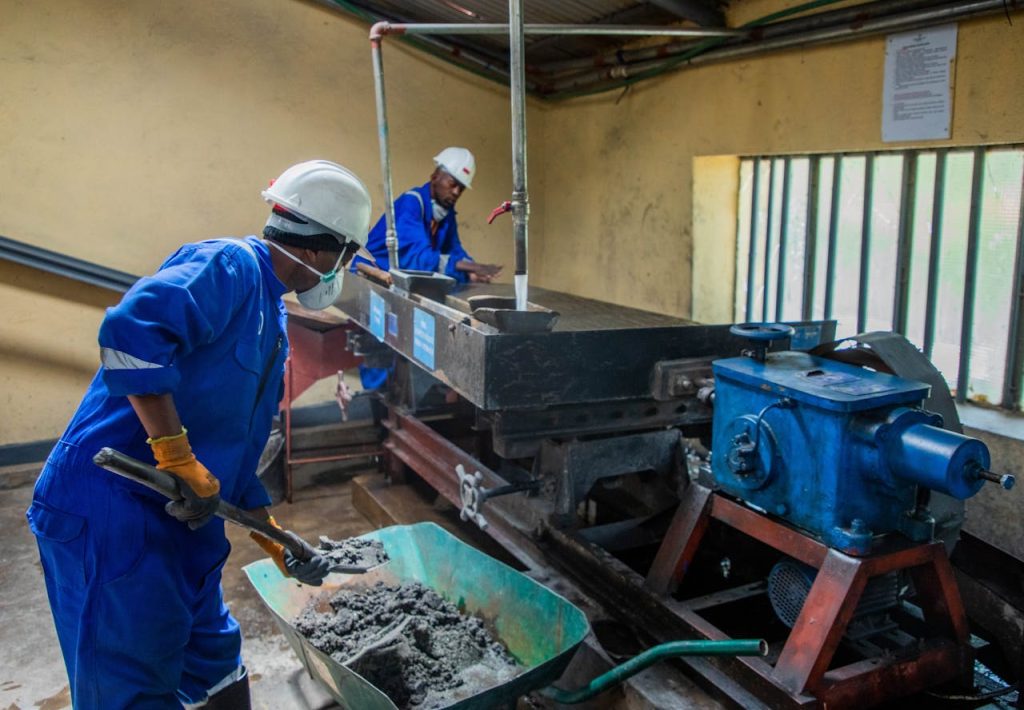
Understanding the Gateway to Guinea’s Market
Positioned as one of West Africa’s most resource-rich nations, Guinea is experiencing a significant economic resurgence. Driven largely by a booming mining sector and strategic infrastructure projects, the country has transitioned to lower-middle-income status, with a notable GDP growth of 7.1% in 2023. For global entrepreneurs and corporations, this momentum presents a compelling opportunity. The Guinean government actively promotes foreign investment by streamlining business formation through a centralized one-stop shop system, designed to reduce bureaucratic hurdles and welcome international capital. This guide provides a clear roadmap for navigating the company registration process in Guinea, detailing each critical step, required legal structures, and the costs involved to set you on a path to successful market entry.
Choosing Your Business Structure
The first strategic decision is selecting the appropriate legal entity. The Société à Responsabilité Limitée (SARL) is the most common and practical choice for foreign investors. It functions as a Limited Liability Company (LLC), creating a separate legal entity that protects your parent company’s assets from the liabilities of the Guinean operation. This structure requires a minimum of one shareholder and one director, who can be of any nationality and need not be residents of Guinea. For businesses not yet ready to establish a full subsidiary, alternatives include setting up a branch office (though this leaves the parent company fully liable for its debts) or exploring partnership models with a local Professional Employer Organization (PEO).
The Company Registration Process: A 5-Step Roadmap
The entire registration process is managed by the *Agence de Promotion des Investissements Privés* (APIP), the official one-stop shop for business creation in Guinea. Here is a breakdown of the key phases and requirements:
| Phase | Key Actions & Requirements | Lead Agency / Responsible Party |
| 1. Preparation & Drafting | Open a corporate bank account; Register with social security (CNSS); Secure any sector-specific licenses. | Company Founders / Local Legal Advisor |
| 2. Notarization & Capital Deposit | Notarize company statutes; Deposit minimum share capital into a blocked local bank account. | Public Notary / Commercial Bank |
| 3. Official Registration | Submit complete dossier to APIP to obtain RCCM (Commercial Registry) and NIF (Tax ID) numbers. | APIP (One-Stop Shop) |
| 4. Publication | Publish a notice of incorporation in an authorized legal journal. | APIP or Authorized Journal |
| 5. Post-Registration | Open a corporate bank account; Register with social security (CNSS); Secure any sector-specific licenses. | Bank / CNSS / Relevant Ministry |
1. Document Preparation and Legal Drafting
Your journey begins with the preparation of foundational documents. The most critical is the company statutes, equivalent to Articles of Association. This document outlines your company’s purpose, share capital, management structure, and operating rules. Due to the legal nuances of Guinean commercial law, which is governed by the regional OHADA treaty, it is highly recommended to engage a local legal expert to draft or review these statutes. Concurrently, you should gather notarized copies of passports for all directors and shareholders, and secure proof of a registered physical office address in Guinea.
2. Notarization and Capital Requirements
The signed company statutes must be filed and executed before a public notary. You are also required to deposit the company’s initial share capital into a blocked bank account in Guinea. While the minimum capital requirement for an SARL is often symbolic, you must confirm the current amount with your legal advisor or APIP. This step formalizes your financial commitment and is a prerequisite for the next phase.
3. Submission to APIP (The One-Stop Shop)
With your notarized statutes and proof of capital deposit, you can submit your complete application dossier to APIP. This agency coordinates the registration with all relevant government bodies on your behalf. Upon successful processing, APIP will issue your company’s RCCM number (Registre du Commerce et du Crédit Mobilier), which is your official business registration, and your NIF number (Numéro d’Identification Fiscale), which is your tax identification. This integrated process typically takes a few weeks if all documents are in order.
4. Legal Publication and Final Steps
A final mandatory step is the publication of a legal notice announcing your company’s formation in an official journal authorized for legal announcements. APIP can often handle this publication directly or through its website. Following this, you must complete practical steps like opening a permanent corporate bank account and registering your company with the National Social Security Fund (CNSS) if you plan to hire employees.
Costs, Timelines, and Ongoing Compliance
Registration Fees and Timeline
The cost of incorporation varies based on the entity type. For individuals registering an SARL, the government fees are approximately 212,500 GNF (roughly $25 USD). For corporate entities, the fees are higher, around 530,000 to 650,000 GNF (approximately $61-$75 USD). The entire process, from document preparation to receiving your RCCM, can take several weeks to a few months, depending on the completeness of your application and administrative processing times.
Tax and Regulatory Obligations
Once operational, your company must comply with Guinean tax laws. The standard Corporate Income Tax (Impôt sur les Sociétés) rate is 35% for foreign companies, while resident companies may be taxed at 25%. The Value Added Tax (TVA) rate is 18%. Guinea also has tax treaties with countries like France and the UAE to prevent double taxation. Depending on your industry (e.g., mining, telecommunications, finance), you may need additional approvals from sector-specific regulators like the Ministry of Mines or the Central Bank.
Important Considerations for Foreign Investors
– Market Entry Alternatives: For businesses seeking to test the market or avoid the registration process initially, using an Employer of Record (EOR) or a Merchant of Record (MoR) service is a viable alternative. These partners can legally hire staff or sell your products in Guinea under their own local entity, handling all tax and compliance burdens.
– Seek Local Expertise: Navigating a new legal and business culture is complex. Partnering with a local legal firm, accountant, or global expansion consultant is invaluable for ensuring compliance and avoiding costly delays or penalties.
Conclusion: Building Your Foundation in a Growing Economy
Registering a company in Guinea is a structured process centered on the efficient APIP one-stop shop. By carefully choosing the right business structure, meticulously preparing your legal documents, and understanding the associated costs and tax responsibilities, you can establish a solid legal foundation in this dynamic market. Guinea’s wealth of natural resources, ongoing infrastructure development, and government initiatives to attract investment make it a promising frontier for ambitious businesses. With proper planning and the right professional guidance, you can successfully navigate the registration process and position your company to capitalize on the significant opportunities in one of West Africa’s rising economies.
Note: This article is for informational purposes only and does not constitute legal or tax advice. Regulations and fees are subject to change. Always consult with qualified local legal and financial experts before making business decisions in Guinea.